
REVIEW · CHIANG MAI PROVINCE, THAILAND
Chiang Mai Untouched Elephant: Nature Walk & Waterfall Trek
Elephants set the pace here. This five-hour outing takes you from Chiang Mai into a hill-tribe village, where you prepare elephant food, feed rescued animals, walk beside them, and join them at a river. I like the saddle-free care and the home-cooked meal with local families. I also like that the day follows the elephants rather than a tight performance schedule.
The trade-off is the journey. Getting to the village can take a long time, and the open-air truck may feel rough, especially if you are older or uncomfortable on uneven roads. The advertised duration is five hours, but you should leave room for a longer day, as one account reported a seven-hour outing.
Five things to know before you book
- The elephants choose the rhythm: Activities can change according to what the animals want to do that day.
- No riding or forced tricks: The park says rescued elephants are not made to perform, and chains and hooks are not used.
- The road is part of the deal: Transport may include an air-conditioned van, an open-air pickup, and a roofed 4×4 truck.
- Lunch is a real strength: You eat a complimentary Thai meal prepared with local ingredients.
- The waterfall adds variety: Mae Wang Waterfall gives you about an hour to walk, relax, and cool off.
- This suits flexible people: You need moderate fitness and patience with a loose, rural schedule.
Leaving Chiang Mai for the mahout village
Your day begins with pickup in Chiang Mai. Complimentary transfers cover hotels in and around the Old City within a 5-kilometer radius. If you stay farther out, expect an extra transport charge.
The first vehicle may be a 12-seat air-conditioned van or an open-air pickup truck. Near the sanctuary, you switch to a roofed 4×4 truck for the final approach. That change is practical, not decorative. The road becomes more rural, and the truck allows access to places a standard minibus may not reach.
Still, be realistic about comfort. The road time can be long, and the older-style minibus or open truck may feel cramped. One account specifically warned about an uncomfortable journey and a roughly two-hour drive from Chiang Mai. If you have back, knee, or mobility concerns, ask about the transport setup before paying.
Pickup instructions are simple: wait in your hotel lobby from 10 minutes before the agreed time. Bring water, although drinking water is provided, and expect the day to involve sun, dirt, insects, and wet clothes.
More Waterfall Hikes in Chiang Mai
- Chiang Mai: 2-Days Jungle Trek, Waterfalls and Karen Village
★ 4.8 · 103 reviews - Chiang Mai 2-Day: Trekking, Tubing & Elephant Observation
★ 4.9 · 95 reviews - Chiang Mai ATV & White Water Rafting & Trekking to Waterfall
★ 4.7 · 84 reviews
Meeting rescued elephants without a show
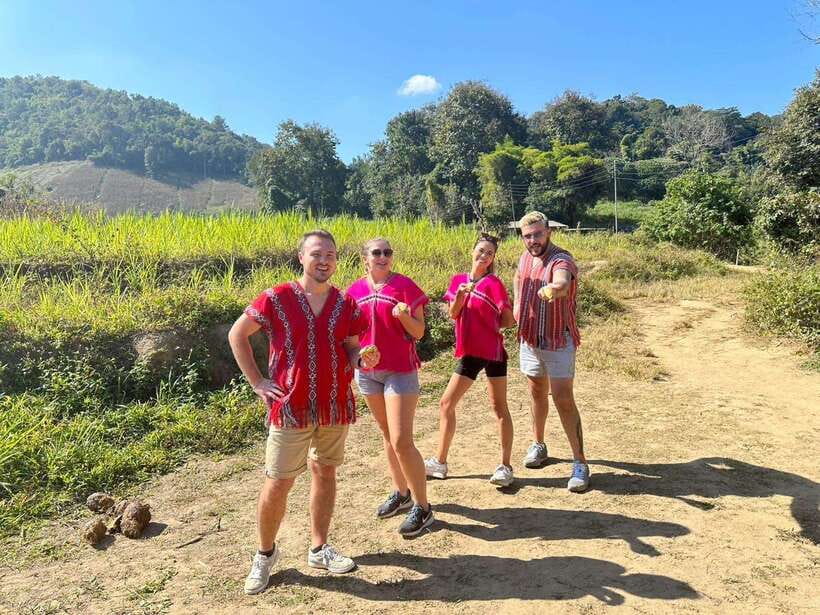
The central stop is an elephant care park in the countryside. The important difference here is what you do not do. There is no elephant riding, no forced performance, and no use of chains or hooks at the park.
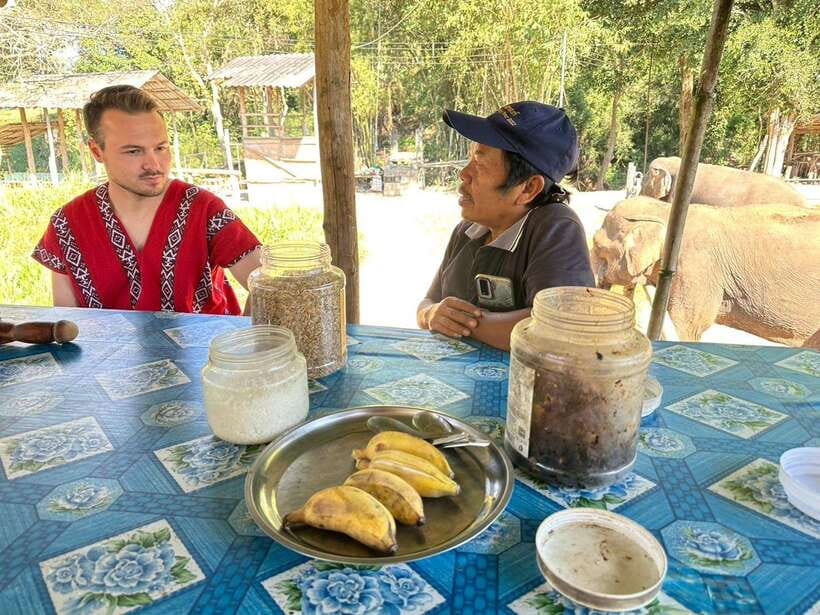
Instead, you help with ordinary care. You prepare food using traditional methods, offer it by hand, and spend time noticing how each animal behaves. That can be a quieter form of animal tourism, but it is also more dependent on the elephants’ mood. You may not get a perfectly timed photo or a neat sequence of activities.
The park describes the elephants as rescued animals that live alongside families who have cared for them over generations. The goal is to see them as working animals and family members, not stage performers. That distinction matters. Feeding an elephant is still a close encounter, but the tone is less about collecting a thrilling photograph and more about watching daily care.
I particularly like the promise that the elephants are not forced to take part. It means the outing may feel less polished than a conventional attraction, but that is part of its value. You may spend more time observing than touching. For anyone who wants a tightly managed program, this looseness could be frustrating.
Preparing food and learning the caretaker’s routine
The mahout for a day idea works best when you treat it as a glimpse into a job, not a costume activity. You are shown how food is prepared, then you help feed the elephants and walk with them.
The practical lesson is that elephant care involves repetition and attention. You watch how the animals respond, how they move, and how the caretakers keep the interaction calm. The guide provides explanations in English, but this is not presented as a lecture-heavy tour with a script for every minute.
A guide named Jimmy received especially warm praise for keeping the day running well and creating a good mood. The main value of a guide here is not a long list of dates or facts. It is help with understanding what the elephants are doing and how to behave around them.
Keep your hands and movements sensible. Follow the caretaker’s instructions, and do not expect every elephant to react in the same way. Their personalities are part of the point, but they also mean the schedule can change.
Walking beside elephants through the jungle
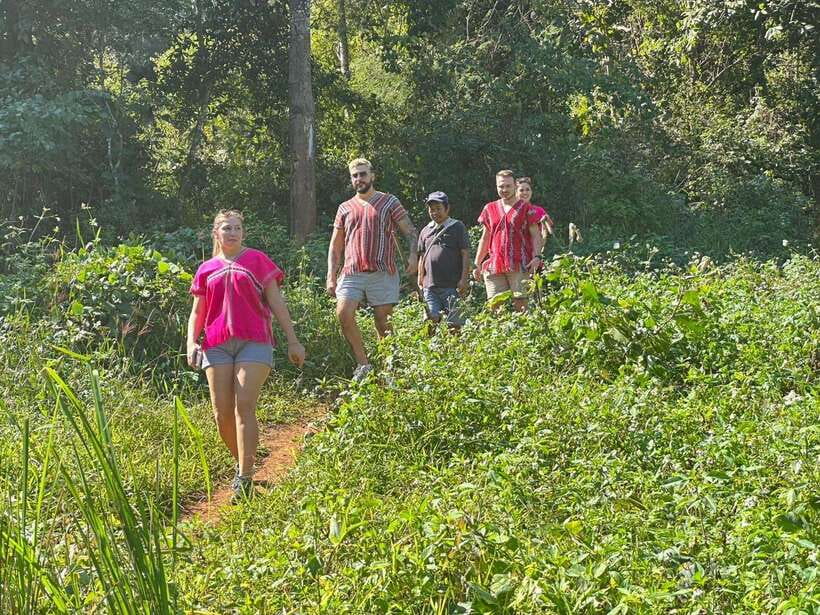
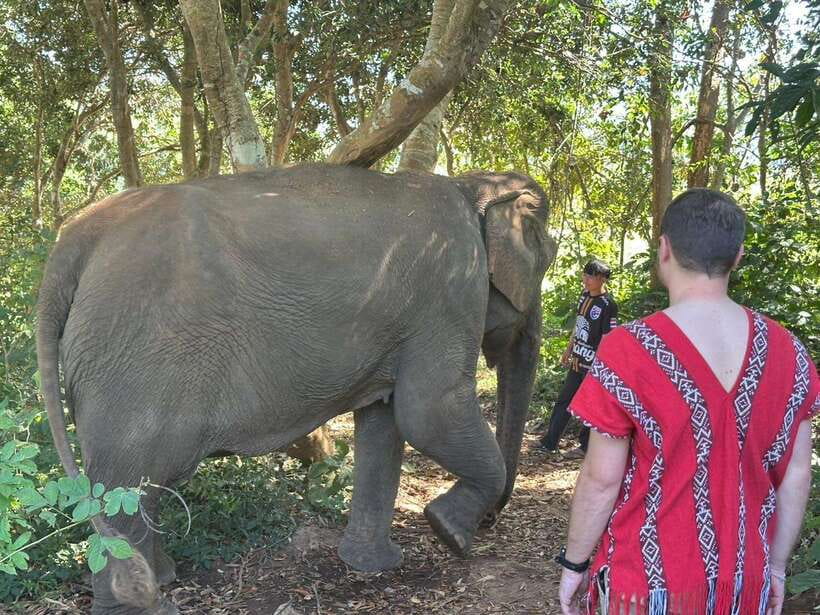
After feeding, you walk with the elephants through the surrounding jungle. There are no saddles, and the animals are not led through a forced routine for your benefit. You simply move with them and watch as they interact with their surroundings.
This is likely the most rewarding part for people who care about animal welfare. You get time to observe rather than rush from one photo stop to another. The pace can be slow, and that is exactly what makes it feel different from a standard attraction.
It is also the part that demands a moderate fitness level. The ground may be uneven, and outdoor conditions can be hot. Wear shoes that you can walk in and do not bring anything you would hate to get dirty.
Do not assume the jungle walk will be a dramatic trek. The supplied details describe a nature walk, not a strenuous mountain expedition. You might find the route easy on one day and more tiring on another, depending on weather and the elephants’ movements.
More Waterfall Hikes in Thailand
- Chiang Mai: Whitewater Rafting and Waterfall Trekking Tour
★ 4.9 · 58 reviews - Chiang Mai Adventure: Trekking, Tubing & Waterfall Slide
★ 4.9 · 20 reviews - Chiang Mai: Elephant Sanctuary & Jungle Trek w/ Waterfall
★ 4.5 · 18 reviews - Waterfall Wanderer Doi Inthanon Hiking Tour
★ 5.0 · 15 reviews
The river, mud spa, and natural bathing
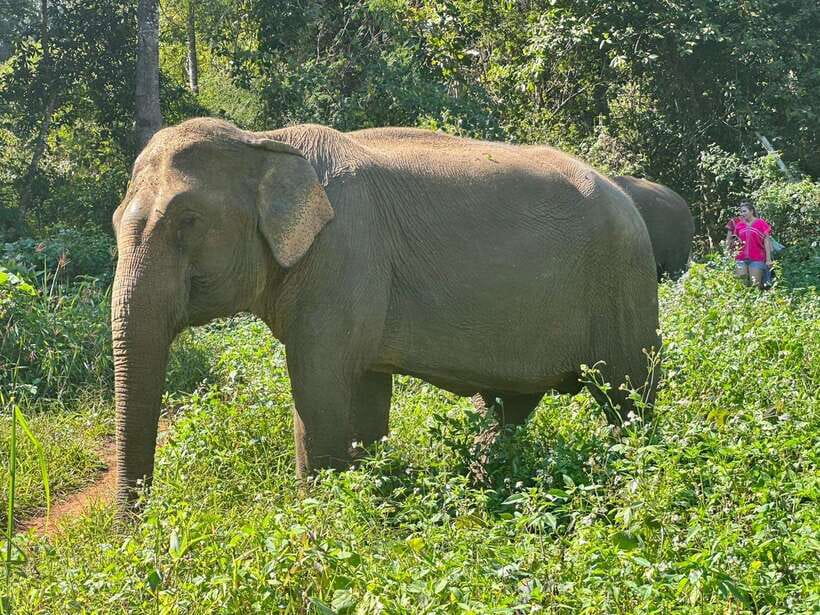
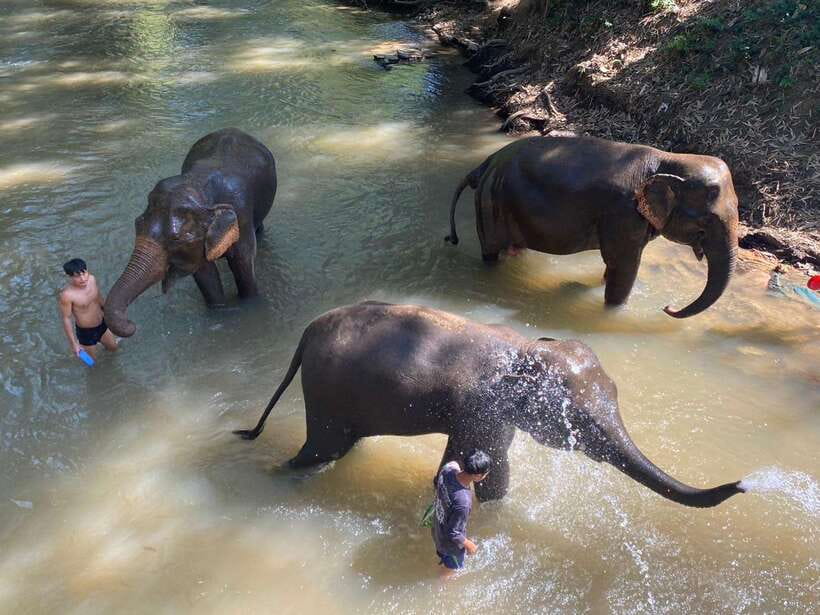
The elephant walk leads toward a river, where you may join the animals for a mud spa and bath. This is the most hands-on part of the day. You can splash water, scrub mud, and take part in the routine if conditions allow.
Bring a swimsuit, towel, and a complete change of clothes. These items are not included in the basic packing advice, yet they are sensible additions because the bathing session can leave you soaked and muddy.
The word natural is important here. The elephants are not being made to perform a bathing trick at a fixed time. The exact activity depends on what they want to do that day. If they wander off or spend less time in the water, you need to accept that as part of the animal-first approach.
This also means you should not book the outing only for one particular photograph. The river is a chance to share space with the elephants, not a guaranteed photo set. That makes the moment more genuine, but less predictable.
A home-cooked Thai lunch in the village
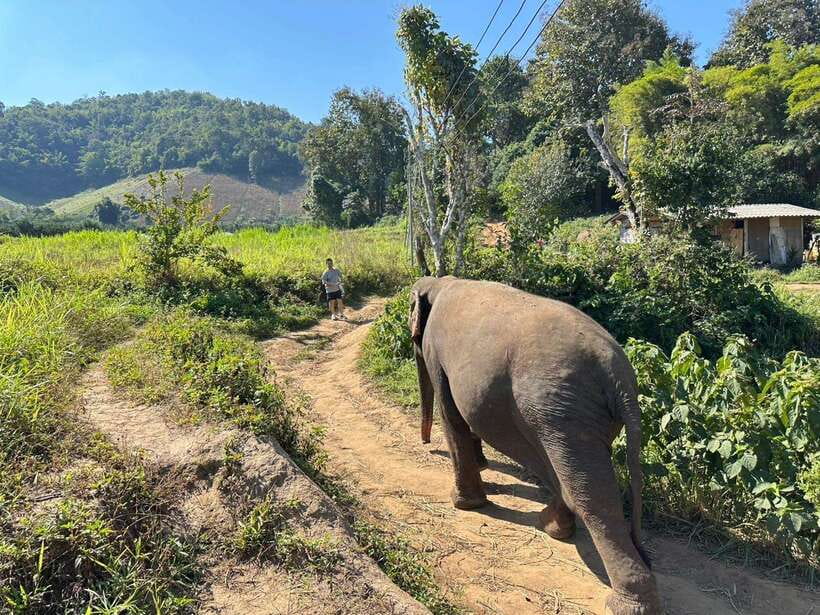
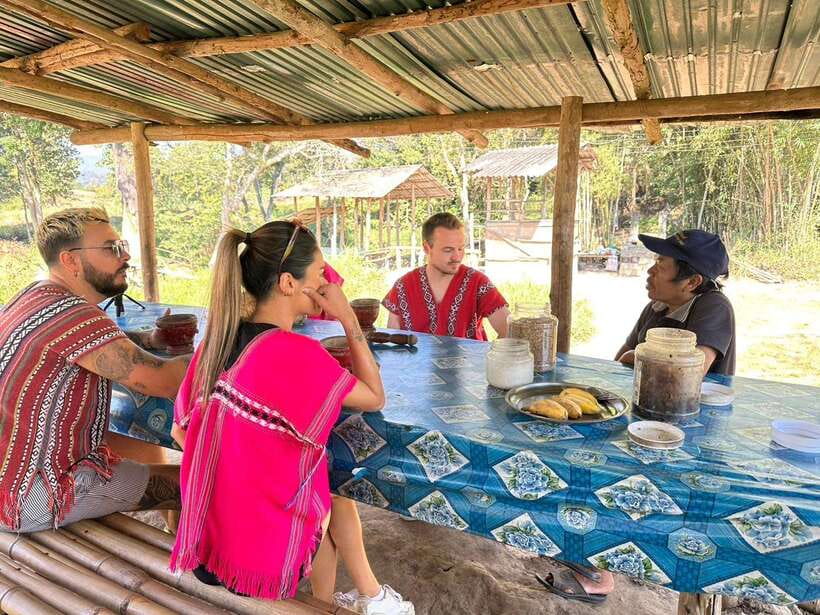
After the morning with the elephants, you return to the village for lunch. The meal is included and is prepared with fresh local ingredients by local families.
Food earned some of the strongest praise connected with this outing. Several accounts described the lunch as delicious or very good, and the care taken by the local hosts added to the sense of welcome. One small complaint concerned cold chips, so do not expect every side dish to arrive like a restaurant meal.
The food matters because it ties the elephant visit to village life. You are not simply dropped at a purpose-built attraction, fed a boxed meal, and sent away. The meal gives you a chance to slow down and see how the community fits the caretaking work into its daily routine.
Dietary restrictions should be shared in advance. That is especially important when food is prepared by local families rather than selected from a large tourist restaurant menu.
Life in the village after lunch
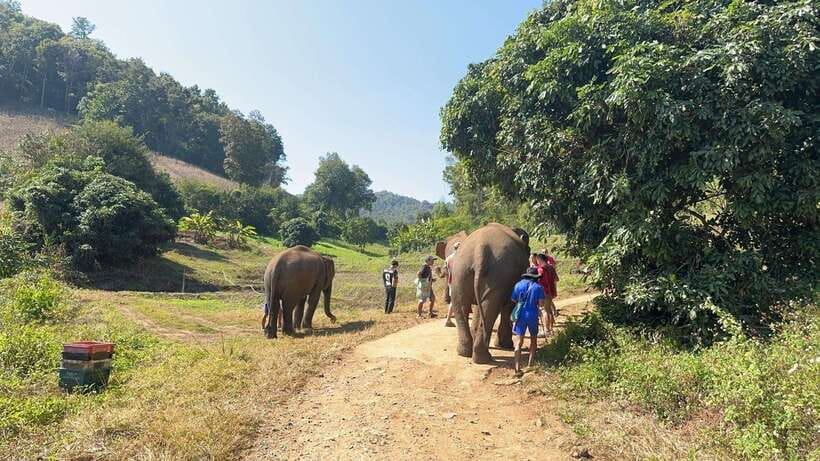
The afternoon is intentionally open. You may relax, help with small daily tasks, or spend time watching the quiet pace of the community.
This is where the tour differs most from a standard sightseeing program. There may not be a new attraction every 20 minutes. There may not be a polished demonstration. You are given room to see what village life feels like after the main elephant activities have finished.
I would treat that open time as a feature, provided you know what you are booking. Some people want a full calendar of stops and explanations. Others prefer a chance to sit, eat, and talk without being hurried. This outing is aimed at the second group.
The phrase non-commercialized should not be read as a promise of total isolation. A later stop can be busy, and the elephant area may have more people than expected on some days. Still, the basic program avoids riding, tricks, and staged animal behavior.
Mae Wang Waterfall for the final hour
The last main stop is Mae Wang Waterfall in Chiang Mai Province. You have about an hour to walk and enjoy free time around the water.
The waterfall breaks up the elephant-focused morning and gives you a chance to cool down. It also adds a simple nature stop without requiring a separate day trip. If you have already spent time in mud and river water, the waterfall can feel like a pleasant final pause before returning to Chiang Mai.
Do not assume it will be empty. One account found the waterfall crowded, despite expecting a quieter outing. That is useful to know because the waterfall may feel more like a popular local stop than a private retreat.
The same applies to the phrase untouched elephants. The care model is respectful, but the overall day is not guaranteed to be free of other groups. Go for the way the elephants are treated, the village setting, and the chance to see rural Chiang Mai, rather than for solitude at every stop.
What the $51 price really covers

At $51 per person, the price is reasonable if you value transport, a guide, lunch, and a full morning with rescued elephants. You also get the waterfall visit, drinking water, and hotel pickup and drop-off within the stated Chiang Mai area.
The value is strongest for visitors who would otherwise need to arrange several separate pieces: a remote transfer, a local guide, an elephant visit, a village meal, and a waterfall stop. Having these combined is convenient.
The price is less attractive if you mainly want a short elephant encounter. Much of your day is spent getting to and from the village, and transport comfort is not the tour’s strongest feature. You are paying for access to a rural setting and a slower style of visit, not for luxury vehicles or a short city excursion.
With free cancellation up to 24 hours before the activity and the option to reserve now and pay later, the booking terms are flexible. Check the pickup area carefully, since transport outside the 5-kilometer Old City radius costs extra.
What to pack for a smoother day
The official advice includes sunglasses, a sun hat, sunscreen, and insect repellent. I would add a towel, swimsuit, spare clothes, and shoes suitable for a wet or uneven walk.
A small waterproof bag is also sensible for valuables, although you should only bring items you are prepared to carry outdoors. The day combines roads, jungle, mud, river water, and a waterfall, so clean and dry is not the likely condition from start to finish.
You should also prepare for heat and insects. The village and elephant park are not described as air-conditioned attractions. Drinking water is supplied, but sun protection remains your responsibility.
If you are older or have limited fitness, think carefully about the road journey and walking. The outing is not presented as an accessible sightseeing route, and the stated requirement is moderate fitness.
Who will enjoy this elephant day most?
You are a good match if you:
- Care more about respectful animal contact than riding or staged tricks.
- Like local food and rural village settings.
- Can handle an open-air truck and a long road journey.
- Enjoy flexible schedules that follow real conditions.
- Want to take part in feeding, walking, and bathing rather than simply watch.
- Are comfortable getting muddy or wet.
You may want another tour if you need a precise five-hour schedule, comfortable transport, or guaranteed time with elephants at the river. You should also look elsewhere if your main aim is a quiet waterfall with few other people.
The strongest praise has focused on the elephants, the kindness of the staff, the food, and the sense that the animals are genuinely cared for. Those are real reasons to book. The weaker points are also clear: a rough transfer, a potentially longer day, and some tourism-heavy moments.
Should you book Chiang Mai Untouched Elephant?
I would book this for an animal-minded visitor who wants a rural day with useful hands-on tasks and no elephant riding. The combination of food preparation, feeding, a jungle walk, a river bath, a village meal, and Mae Wang Waterfall gives you more substance than a quick sanctuary stop.
I would not book it if you need polished facilities or strict timing. Set aside extra hours, pack for mud and water, and accept that the elephants decide the order of events. If that sounds like a fair exchange, the $51 cost offers good value and a far more personal look at mahout life than a standard photo stop.
FAQ
How long does the Chiang Mai elephant experience last?
The stated duration is five hours, but you should allow extra time. One account described the full outing as lasting seven hours, and the road journey can be long.
Is elephant riding included?
No. Elephant riding is not included, and the park says the elephants are not forced to perform activities.
Are chains or hooks used at the elephant park?
The park states that the rescued elephants are not kept with chains or hooks.
What transportation is used?
Pickup may be in a 12-seat air-conditioned van or an open-air pickup truck. You then switch to a roofed 4×4 truck to reach the sanctuary.
Is lunch included?
Yes. A complimentary local meal is included, and dietary restrictions should be provided in advance.
What should I bring?
Bring sunglasses, a sun hat, sunscreen, and insect repellent. A swimsuit, towel, and change of clothes are also practical because the river and mud activities can leave you wet.
More Waterfall Walks in Chiang Mai
- From Sydney: Blue Mountains Tour with Waterfall Walk & Lunch
★ 4.8 · 2,400 reviews - Krka Waterfalls tour with Trogir Walking tour and Krka panoramic boat cruise
★ 5.0 · 1,659 reviews - From Split: Krka Waterfalls Cruise & Trogir Walking Tour
★ 4.7 · 681 reviews - Blue Mountains Small Group Tour with Waterfall Walk & Fresh Lunch
★ 5.0 · 628 reviews
Just added around Chiang Mai
- Waterfall Wanderer Doi Inthanon Hiking Tour★ 5.0 · 15 reviews
- Trek to a Jungle Waterfall★ 5.0 · 14 reviews
- Private tour Chiang Dao cave ,Temples,Sticky waterfall★ 5.0 · 14 reviews
- Sticky Waterfall Cycling Tour★ 5.0 · 68 reviews
- Sticky Waterfalls Private Half Day Fun Escapades★ 4.5 · 8 reviews
- Private Doi Suthep Temple Handicraft Center and Sticky Waterfall★ 5.0 · 9 reviews
- Private tour] Perfect day! Sticky waterfall + ChiangDao Cave + Wat BandenTemple★ 4.5 · 6 reviews
- Sticky Waterfall Chiang Mai and Mae Ngat Boat Tour★ 5.0 · 19 reviews
Waterfall Hikes, compared.

Ourika Valley Trip with Waterfall Hike & Lunch
Read our review →
ourika valley lunch & guided hike to waterfalls
Read our review →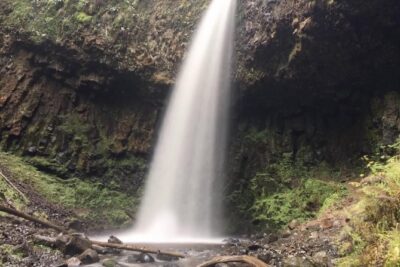
Multnomah Falls and Columbia River Gorge Half-Day Hiking Tour
Read our review →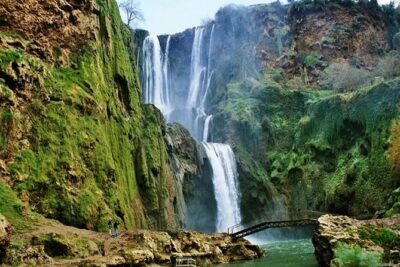
Ouzoud Waterfalls Guided Hike and Boat Trip from Marrakech
Read our review →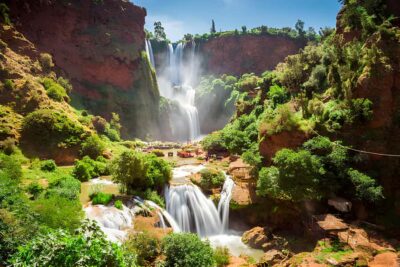
Ouzoud Waterfalls Trip with Hike & Boat Option
Read our review →
Small Group Waterfall and Rainforest Hiking Adventure on Maui
Read our review →Browse the lists this tour appears in