REVIEW · CHIANG MAI PROVINCE, THAILAND
Chiang Mai: 2-Days Jungle Trek, Waterfalls and Karen Village
The best Chiang Mai memories may require muddy shoes. This two-day trek leaves the city for Mae Win, where you walk through farmland and jungle, swim at waterfalls, and spend the night in a White Karen village. I especially like the mix of active hiking and local village life, plus the chance to learn about plants, food, and everyday customs from English-speaking guides. The main catch is simple: this is a real trek, not a gentle nature walk. You should be comfortable hiking uphill for roughly five to six hours each day.
The price is $96 per person, including transport, a guide, meals, accommodation, and travel insurance. I also like the small-group limit of 13 people, since it makes the village stay and campfire easier to enjoy. Still, the cottage is basic, with shared sleeping space and a bucket-flush toilet, so anyone expecting hotel comfort should adjust expectations before booking.
Key points to know before you book
- Two demanding hiking days: Expect about 12 kilometers on the first day and roughly 8 to 10 kilometers on the second, although exact distances vary.
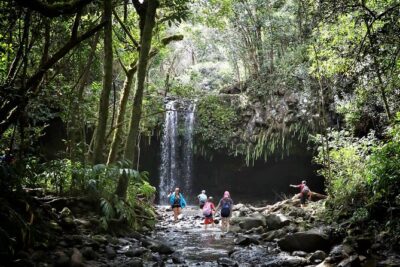
- Waterfalls are part of the route: You stop to swim, cool off, eat lunch, and rest, so bring swimwear and a towel.
- The overnight stay is simple but memorable: You sleep at a White Karen cottage or homestay, with basic facilities and a peaceful mountain setting.
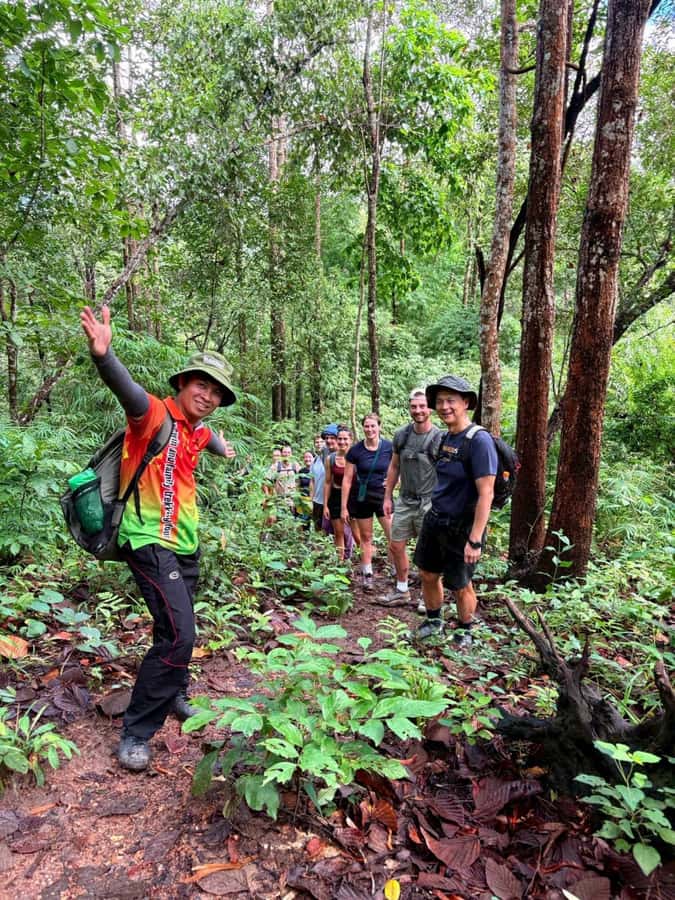
- Guides make a major difference: Guides including Pong, Kong, Pat, Jo, Bo Bo, Pepe, Nu, and others are praised for explaining plants, helping with the pace, and keeping the mood light.
- Winter nights can be cold: From November through February, bring a jacket, long trousers, and warm layers for the evening and early morning.
- Rain changes the trail: July through October can bring mud and slippery sections, so shoes with a firm sole are important.
Leaving Chiang Mai for Mae Win
Pickup begins early, usually between 7:00 and 7:30 AM for hotels inside Chiang Mai’s old city walls. Hotels farther out are generally collected between 7:30 and 8:00 AM. If you stay outside the normal pickup area, you need to meet at Wat Phra Singh or Maya Shopping Center. Airport pickup and drop-off are not included.
The drive takes you out of the city toward Mae Win in Mae Wang. After about 45 minutes, the group stops at a local market. This is a useful pause rather than wasted time. You can buy snacks, drinks, and personal supplies, or simply have a coffee before the trail begins. Once you reach the starting point, another drive of about 20 minutes brings you to a White Karen village.
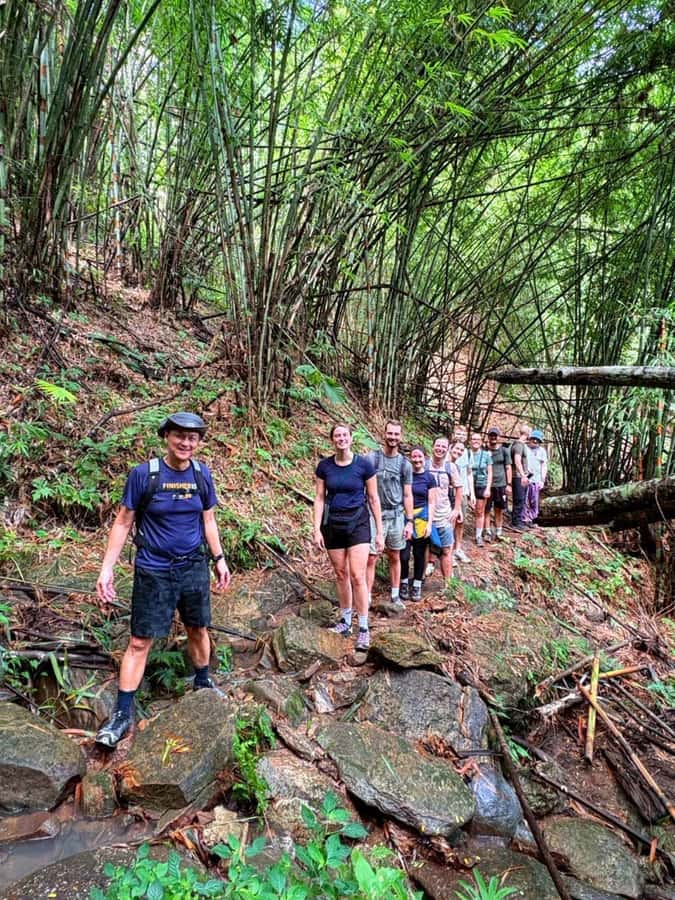
The group is limited to 13 participants, though the actual number may be smaller. That matters on a forest trail. You are not trying to keep up with a huge line of people, and the guide can adjust breaks when the weather or terrain calls for it.
Before setting off, the guide gives a short briefing. This is the time to make sure your water, rain layer, phone, medication, and other essentials are secure. You carry your own belongings overnight, so use a small daypack rather than bringing a full suitcase.
More Rainforest and Jungle Waterfall Tours in Thailand
- Elephant Experience and Hidden Jungle Waterfall Chiang Mai
★ 5.0 · 70 reviews - Chiang Mai: Jungle Jumbo Elephant Sanctuary with Waterfall
★ 4.8 · 19 reviews - Chiang Mai: Elephant Sanctuary & Jungle Trek w/ Waterfall
★ 4.5 · 18 reviews
Day one: Karen farmland, forest trails, and a waterfall lunch
The first part of the walk passes through White Karen farmland. Rice fields and rural paths provide an important introduction to the area. Depending on the month, the fields can look very different. July and August are planting months, September and October bring lush green paddies turning toward gold, and November and December are harvest time, when you may see traditional rice cutting and gathering in Karen villages.
This farming scenery gives the trek more meaning than a walk through trees alone. You see how the village connects food, land, and seasonal work. Guides may also point out local herbs and explain how plants are used. Several guides are praised for showing edible fruits, useful plants, and small details that are easy to miss when you walk alone.
From the farmland, the path enters the Mae Win jungle. The route is not described as technical climbing, but it includes uphill sections and uneven ground. Some parts can be demanding, especially in heat or rain. Several hikers completed around 10 to 12 kilometers on this first day, while others described 12 to 14 kilometers. The exact distance depends on the route, weather, breaks, and the group’s pace.
The guide does not simply march ahead. Breaks are used for water, short explanations, views, and swimming. That helps, but it does not turn the trek into an easy stroll. If you are used to regular hikes, you should manage it well. If your idea of exercise is walking around Chiang Mai’s markets, prepare for a much harder day.
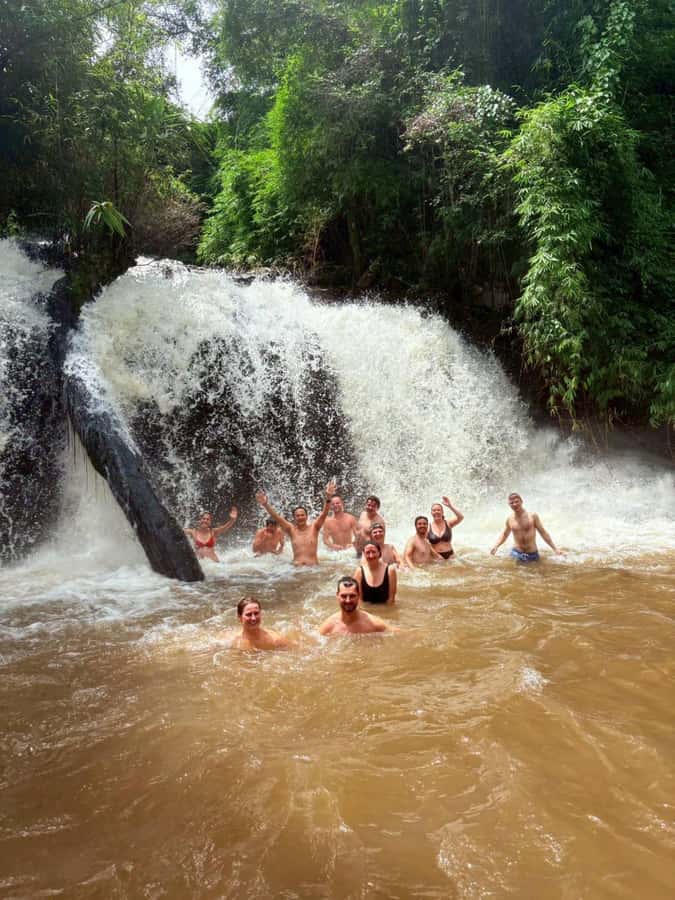
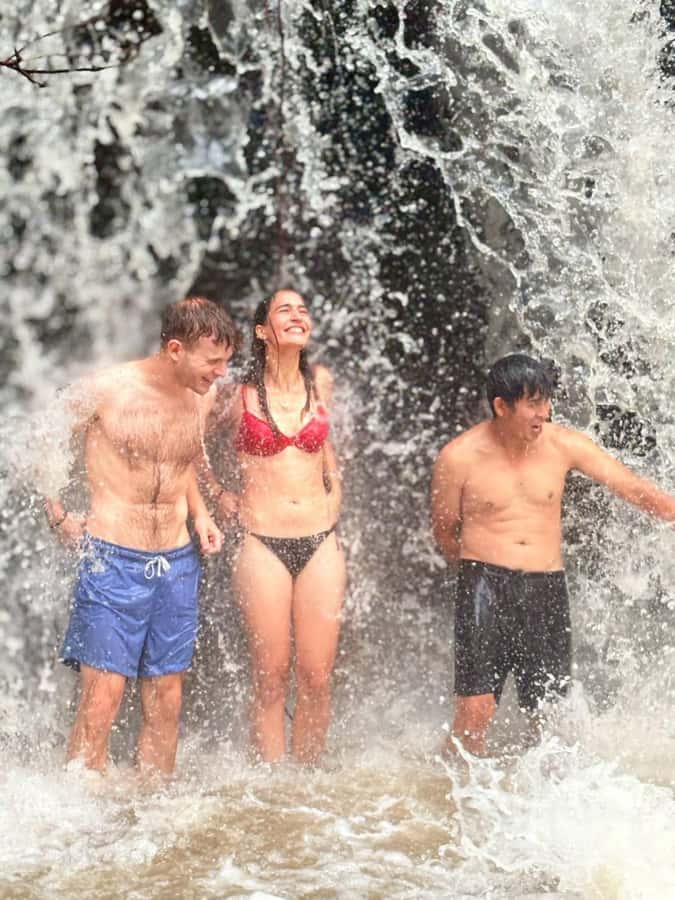
A waterfall stop provides lunch and a proper rest. This is one of the smart features of the route. You can eat beside running water, cool down with a swim, or sit under the trees before tackling the next section. Bring a towel and a dry change of clothes, since wet clothing becomes uncomfortable during the remaining walk.
Rain can make the trail slippery. Wear sports shoes or hiking shoes with a good sole pattern, and bring a rain jacket during the wet season. Flip-flops are useful around the cottage and waterfall, but they are not suitable for the main hike.
The White Karen cottage and a night by the fire
By late afternoon, you reach the White Karen Tribe Cottage. The accommodation is basic, and you should think of it as part of the rural setting rather than a hotel. Sleeping arrangements are shared, and the toilet is a bucket-flush type. The facilities are adequate, but privacy and comfort are limited.
That simplicity is also what gives the overnight stay its character. You are not being sent back to Chiang Mai after a day in the forest. You stay close to the village, with mountain views, early morning sounds, and a slower evening rhythm. One group discovered that the overnight stay was at the guide’s home, creating an unexpected chance to meet family and friends. Exact arrangements may vary, so it is sensible to expect a simple village stay rather than a fixed hotel-style setup.
Dinner is included, along with breakfast and two lunches across the trip. You may help prepare the evening meal and learn about local herbs and ingredients. The food has been a major strength of the experience, with generous portions and several meals described as delicious. Chips and beer may also be available to buy, though you should not rely on village supplies for every personal item.
After dinner comes the campfire. This is where the trip changes pace. The group can share stories, listen to the guides, play music, sing karaoke, and look at the night sky. Guides such as Jo and Kong have been praised for being calm, funny, and helpful, while Bo Bo and other guides have taught simple jungle instruments. The evening is social, but you can also step away from the group and enjoy the quiet.
Take warm clothing seriously from November through February. Mae Win can be surprisingly cold at night, particularly after swimming or hiking in damp clothes. Pack a jacket, long trousers, and a warm layer even if Chiang Mai feels hot when you leave in the morning.
Day two: jungle wildlife, another village, and a second waterfall
The second morning begins with the sounds of village life and the jungle. After breakfast, you set out through Mae Wang forest. Guides may point out signs of wildlife, including monkeys and gibbons, though sightings are not guaranteed. You might also see insects, fruits, or other small details that make the walk feel more connected to the forest.
The second day is usually shorter than the first, but it still requires effort. Distances reported for the day range from around 8 to 10 kilometers, and the trail may include more uphill walking. Pace depends on the group, trail conditions, and weather. One account described the walking speed as fairly quick, while others found the guides’ pace comfortable with plenty of stops. This tells you something important: fitness matters, but the group leader can make a big difference.
You stop at another hill tribe village for lunch and rest. This is not a staged performance built around costumes or souvenirs. The value comes from seeing another rural community and hearing more about local life, with the guide providing context. Be respectful around homes, farms, and people working. Ask before taking photographs.
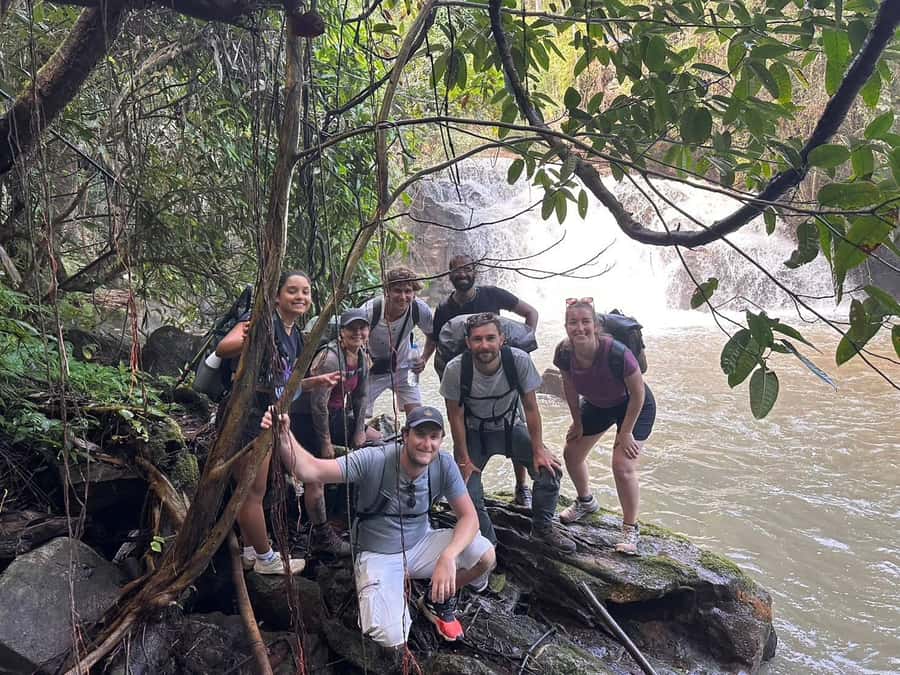
The final major stop is another waterfall. It gives you a chance to wash off trail dust, cool your legs, and enjoy the water before the last walk to the truck. Some people may find this second swim more appealing than the first because it comes after a full day and a half on the trail. Others may prefer simply sitting nearby if the weather is cool.
After reaching the truck, the group drives back to Chiang Mai. Arrival is usually around 6:00 to 6:30 PM. Do not schedule a tight evening flight or an important appointment. Traffic, rain, walking speed, and road conditions can all affect the return.
More Waterfall Hikes in Chiang Mai
- Chiang Mai 2-Day: Trekking, Tubing & Elephant Observation
★ 4.9 · 95 reviews - Chiang Mai ATV & White Water Rafting & Trekking to Waterfall
★ 4.7 · 84 reviews - Chiang Mai Untouched Elephant: Nature Walk & Waterfall Trek
★ 4.7 · 77 reviews - Chiang Mai: Whitewater Rafting and Waterfall Trekking Tour
★ 4.9 · 58 reviews
How difficult is the trek?
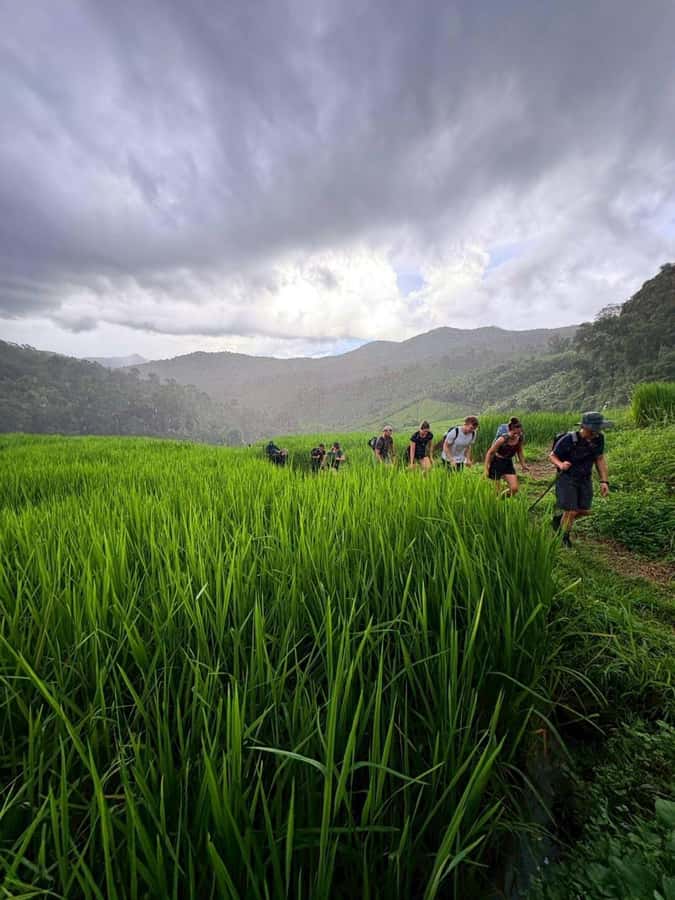
The most important question is not whether you like waterfalls. It is whether you can hike for several hours on uneven trails.
You should have a good level of fitness and be comfortable with repeated uphill sections. The route is not presented as an extreme expedition, and there are regular breaks, but it is more demanding than a casual day trip. One participant specifically described the first day as about 12 kilometers and the second as about 9 kilometers. Another said the tour involved six hours of hiking each day.
Good footwear is essential. Choose hiking shoes or sturdy sports shoes with a firm grip. During rainy periods, expect mud and slippery ground. Shorts are fine if you prefer them, but long trousers offer more protection from plants, insects, and wet brush. A hat, sunscreen, insect repellent, and rain jacket are also sensible.
You need to carry everything for one night. Keep your pack light:
- Warm layer or jacket
- Long trousers and a dry shirt
- Swimwear and towel
- Sunscreen and insect repellent
- Personal medicine
- Power bank
- Water and small snacks
- Rain jacket
- Flip-flops for the cottage
Pregnant people, wheelchair users, anyone with altitude sickness, and people over 70 are advised not to join. The operator also does not allow pets.
Guides, group size, and the human side of the trip
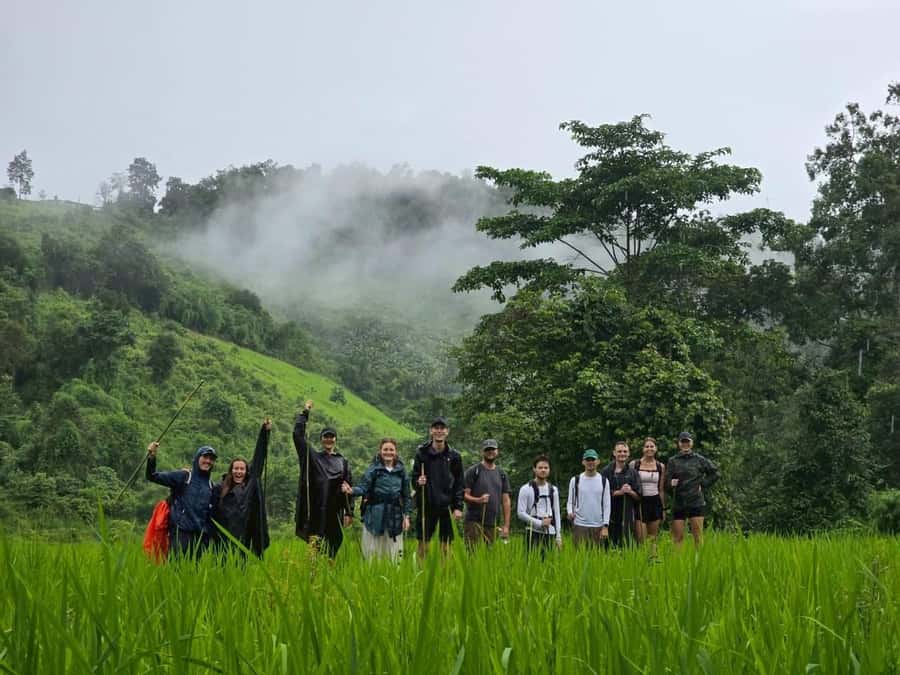
The guides are central to the experience. Names that appear repeatedly in the trip’s feedback include Kong, Pat, Pong, Jo, Bo Bo, Pepe, and Nu. Their strengths are not all identical, but the common thread is practical help, humor, and explanations about nature and village life.
Pat has shown people how to make bamboo rings and leaf crowns. Other guides have demonstrated jungle instruments, explained plant uses, and pointed out fresh fruit. This kind of small teaching is more valuable than a rushed list of facts. It gives you something to notice on the trail and helps the forest feel like a lived-in place rather than scenery.
A small group also helps with safety. The guides can monitor the pace, point out slippery sections, and make sure breaks work for the group. Still, you should not assume the guide can remove every challenge. You remain responsible for carrying your own pack, wearing suitable shoes, and judging whether a swim or climb feels right for you.
The experience supports local communities and eco-tourism. Its value comes partly from keeping transport, meals, guiding, and the overnight stay connected to people in the area. You can help by buying only what you need, asking permission for photos, respecting village routines, and avoiding litter.
Is $96 good value?
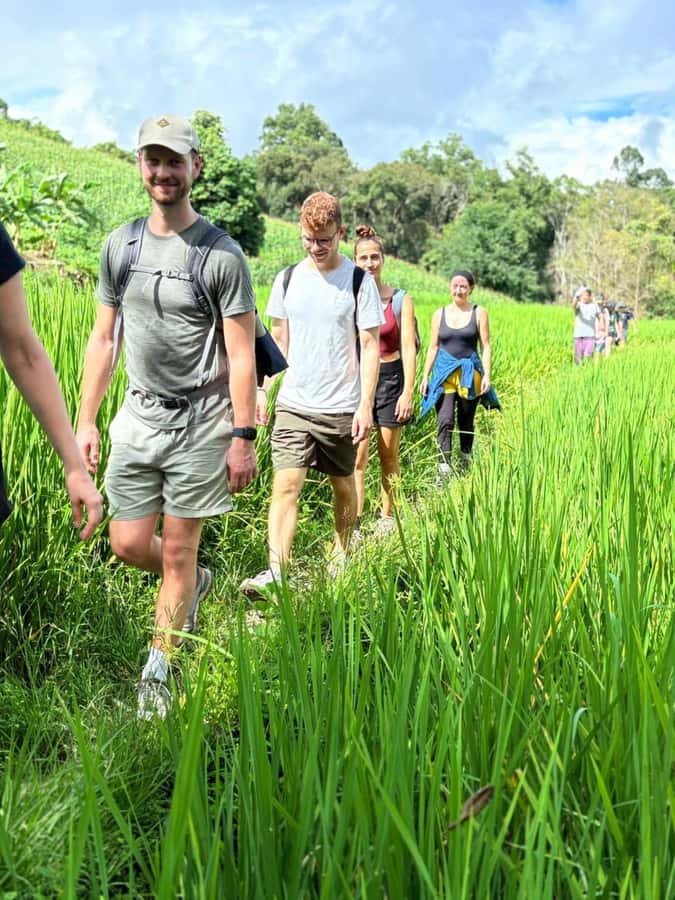
At $96, the trip is good value if you want two full days outside Chiang Mai rather than a short waterfall excursion. Transport, an English-speaking guide, two lunches, dinner, breakfast, accommodation, and travel insurance are included. You also receive a full rural experience that would be difficult to arrange independently without local trail knowledge and village connections.
The price is less attractive if you mainly want a comfortable overnight stay. The cottage is basic, and the route is physically demanding. You are paying for access, guiding, meals, and a local setting, not polished accommodation.
Free cancellation up to 24 hours before departure and the option to reserve now and pay later give you some flexibility. Check the available start time when booking, especially if your Chiang Mai schedule is tight.
The best time to go
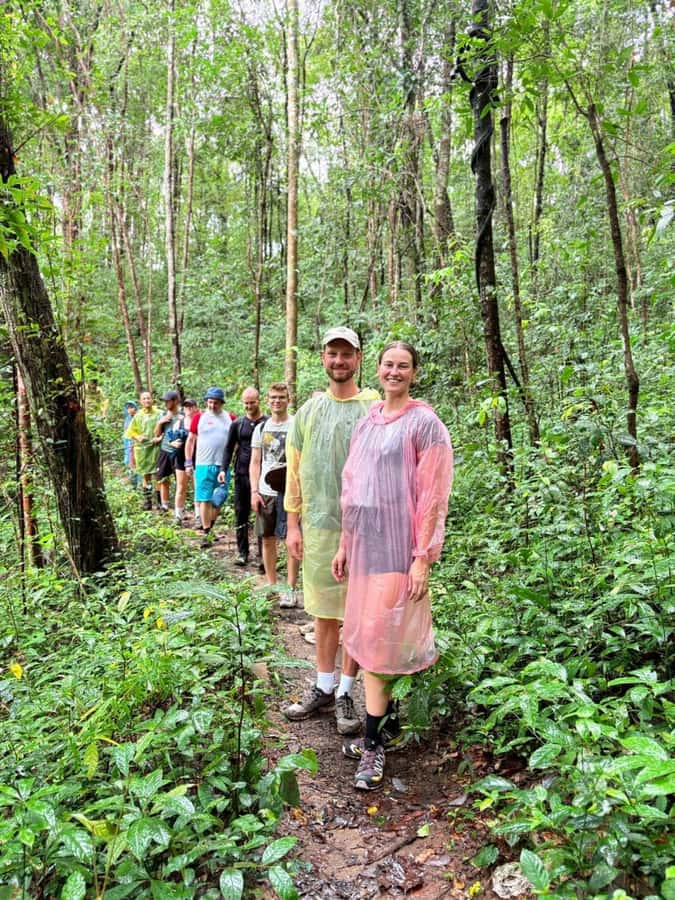
Each season changes what you see.
July and August are planting months. Rain is more likely, and paths may be muddy, but the countryside can feel especially fresh and the forest more dramatic.
September and October are a good choice if rice fields are important to you. The paddies are lush green and begin shifting toward gold before harvest. You should still bring a rain jacket and expect slippery sections.
November and December bring harvest activity in Karen villages. This is also the start of the cooler season, so pack warm layers for the overnight stay.
January and February are generally cooler and can be comfortable for hiking during the day. Nights in Mae Win may feel cold, particularly in a simple cottage. Sunglasses, a sun hat, sunscreen, and water remain useful even in winter.
Who should book this experience?
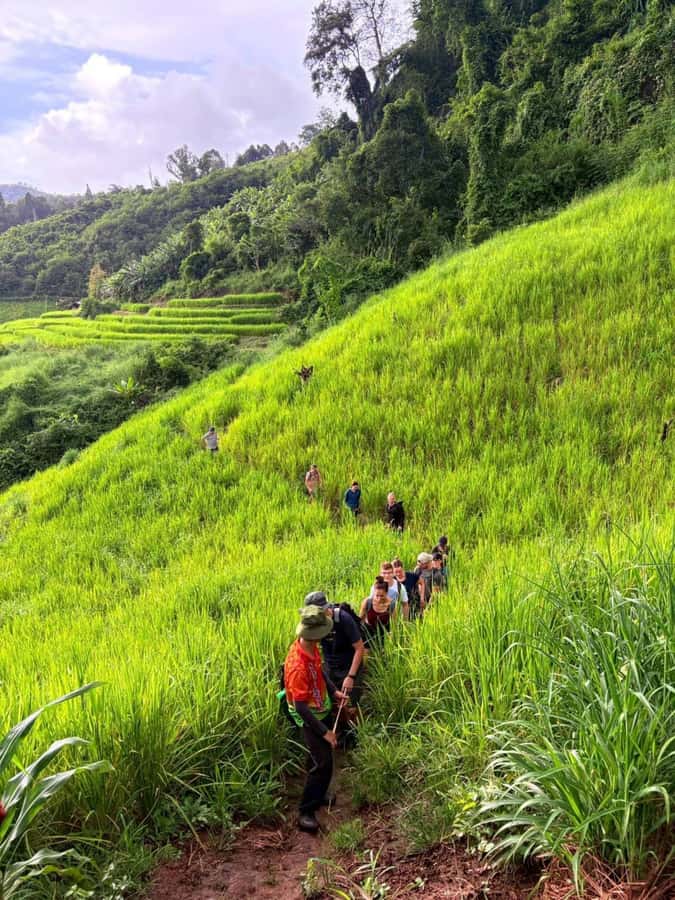
I would choose this trek if you want a physical outdoor adventure with a real village overnight, simple accommodation, waterfall swims, and time with local guides. It is a strong choice if you would rather walk through farmland and forest than spend another day on city sightseeing.
It suits people who enjoy meeting a mixed international group and do not mind sharing a room. It also works well for anyone who wants a cultural experience without giving up time in nature.
I would not choose it if you need private facilities, air conditioning, easy walking, or a fixed timetable. I would also think twice if you have little hiking experience or dislike wet, muddy trails. The route rewards fitness and flexibility, not luxury expectations.
FAQ
How long is the Chiang Mai jungle trek?
The activity lasts two days. Day one usually involves about five to six hours of hiking, with distances reported around 12 kilometers. Day two is also flexible, with distances commonly around 8 to 10 kilometers.
Where does the trek take place?
The trek takes place in Mae Win, in Chiang Mai Province’s Mae Wang area. The route passes through White Karen farmland, Mae Win jungle, Mae Wang forest, villages, and waterfalls.
Is hotel pickup included?
Yes. Pickup is included from hotels inside Chiang Mai’s old city walls, generally from 7:00 to 7:30 AM. Hotels outside the old city are usually collected from 7:30 to 8:00 AM.
What if my hotel is outside the pickup area?
You need to meet at one of the designated meeting points, either Wat Phra Singh or Maya Shopping Center. Airport pickup, airport drop-off, and airport parking area pickup are not included.
What meals are included?
The tour includes lunch on both days, dinner on the first evening, and breakfast on the second morning.
What is the overnight accommodation like?
You stay at a White Karen village cottage or homestay. Facilities are basic, with shared sleeping arrangements and a bucket-flush toilet.
Should I bring warm clothing?
Yes. Nights can be quite cold from November through February. Bring a jacket, long trousers, and warm layers for the evening and early morning.
Can I swim at the waterfalls?
Yes. The route includes waterfall stops where you can swim and relax. Bring swimwear, a towel, and a dry change of clothes.
Can I cancel the booking?
You can cancel up to 24 hours before departure for a full refund. You can also reserve the activity and pay later.
Should you book it?
Book this trek if you want Chiang Mai to feel wild, rural, and personal for two days. The strongest parts are the waterfall breaks, the guides’ plant and village knowledge, the Karen homestay, and the campfire evening. The food is generous, the group is small, and the $96 price covers the major costs.
Skip it if a basic cottage or six-hour hiking day sounds unpleasant. For the right person, though, this is an excellent way to trade city comfort for forest trails, cool water, village hospitality, and a night under a much quieter sky.
More Rainforest and Jungle Waterfall Tours in Chiang Mai
- El Yunque Rainforest: Waterslides, Waterfalls and Rope Swing
★ 5.0 · 1,928 reviews - Small Group Waterfall and Rainforest Hiking Adventure on Maui
★ 5.0 · 1,417 reviews - All Inclusive Waterfalls and Rainforest Tour from Cairns
★ 4.5 · 741 reviews - Samui Zipline FLY & Fun Tree Bridge Jungle Cafe & Waterfall
★ 4.8 · 686 reviews
More Waterfall Hikes in Thailand
- Chiang Mai Adventure: Trekking, Tubing & Waterfall Slide
★ 4.9 · 20 reviews - Waterfall Wanderer Doi Inthanon Hiking Tour
★ 5.0 · 15 reviews - Trek to a Jungle Waterfall
★ 5.0 · 14 reviews - Chiang Mai: Mae Ya Waterfall & Pha Dok Siew Trail Trek
★ 5.0 · 13 reviews
Just added around Chiang Mai
- Waterfall Wanderer Doi Inthanon Hiking Tour★ 5.0 · 15 reviews
- Trek to a Jungle Waterfall★ 5.0 · 14 reviews
- Private tour Chiang Dao cave ,Temples,Sticky waterfall★ 5.0 · 14 reviews
- Sticky Waterfall Cycling Tour★ 5.0 · 68 reviews
- Sticky Waterfalls Private Half Day Fun Escapades★ 4.5 · 8 reviews
- Private Doi Suthep Temple Handicraft Center and Sticky Waterfall★ 5.0 · 9 reviews
- Private tour] Perfect day! Sticky waterfall + ChiangDao Cave + Wat BandenTemple★ 4.5 · 6 reviews
- Sticky Waterfall Chiang Mai and Mae Ngat Boat Tour★ 5.0 · 19 reviews
Rainforest & Jungle Waterfall Tours, compared.
El Yunque Rainforest: Waterslides, Waterfalls and Rope Swing
Read our review →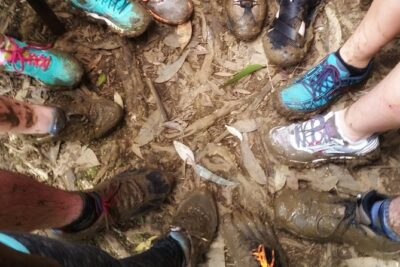
Small Group Waterfall and Rainforest Hiking Adventure on Maui
Read our review →
All Inclusive Waterfalls and Rainforest Tour from Cairns
Read our review →Samui Zipline FLY & Fun Tree Bridge Jungle Cafe & Waterfall
Read our review →
Gorilla Face Quad Bike, Jungle Swing, Waterfall & Meal
Read our review →
Munduk: Twin Lake Jungle Hike, Ulun Danu Temple, & Waterfall
Read our review →