REVIEW · CHIANG RAI (PROVINCE), THAILAND
Chiang Rai: 2-Day Jungle Trek only walk with Waterfall
Bamboo becomes your lunch kit in the hills. This two-day Chiang Rai trek mixes hands-on jungle skills with visits to Lesu, Chinese, Akha, and Lahu communities, so you are not simply walking from one viewpoint to the next. I like the practical bamboo work and the chance to stay overnight in an Akha village, where a thin mattress on a bamboo floor is part of the experience, not a hotel substitute. The main caution is fitness: at about 10 kilometers each day, with steep sections and changing weather, this is a proper mountain trek rather than an easy forest stroll.
I also like the small-group format, limited to 10 people, and the strong local feel created by guides such as Mo, Ru, and Aryu. Mo, in particular, has guided groups through the village where he grew up and is praised for explaining plants, cooking, and local customs in a relaxed way. The tradeoff is comfort. You may sleep simply, walk hard, and find that a waterfall or trail feels different depending on recent weather and conditions.
The key points at a glance
- Bamboo is the practical lesson: You make cups and chopsticks, then cook lunch inside bamboo.
- Four hill communities add cultural depth: The route visits Lesu, Chinese, Akha, and Lahu villages.
- The overnight stay is basic: Expect a village homestay, a bamboo floor, and a thin mattress rather than polished lodging.
- The route is physically serious: Plan on roughly 10 kilometers of walking each day, including climbs and descents.
- Water is part of the reward: The program includes a waterfall stop and a hot spring pool at Pasoet, with swimming conditions subject to the day.
- Local guides shape the experience: Mo, Ru, and Aryu have been praised for bush skills, flexibility, and knowledge of the area.
What the $122 price really covers
At $122 per person, this is not just a two-day walk. The price includes hotel pickup and return within 3 kilometers of central Chiang Rai, a guide, drinking water, insurance, four meals, and overnight accommodation in an Akha village.
That package gives the trip decent value, especially when you add the long transfers, two days of guiding, meals, and the village stay. You also receive lunch and dinner on the first day, then breakfast and lunch on the second. The unusual part is the instruction: you are not only being fed, you are shown how food and simple tools can be made from materials in the forest.
You should budget extra for soft drinks, alcohol, personal spending, and the 100 baht fee for the hot spring swimming pool. Bring snacks too, since two full days of walking can leave you hungry between meals.
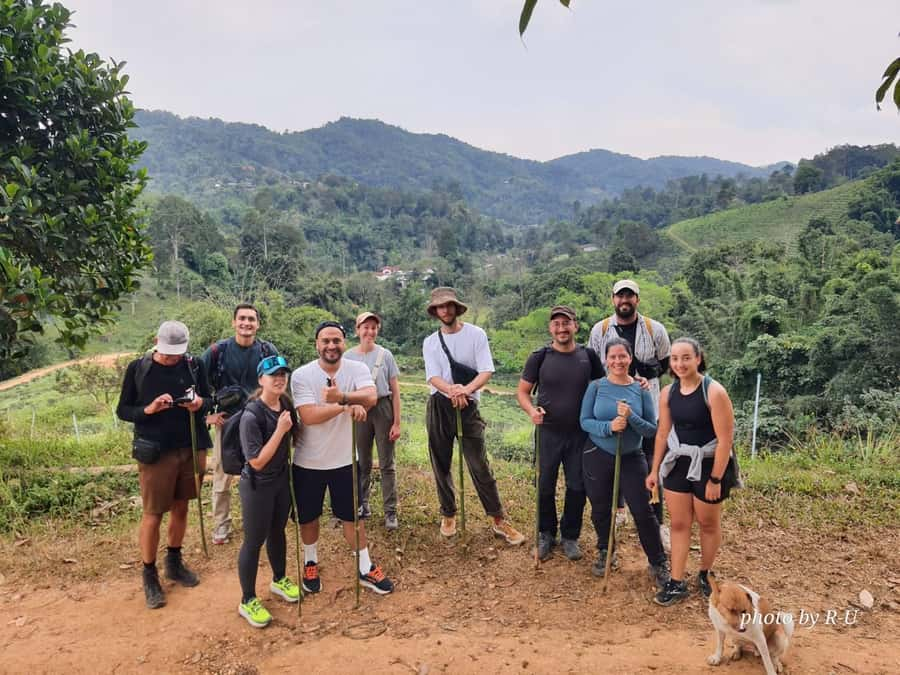
The small-group limit matters. With no more than 10 participants, your guide can usually adjust the walking pace and pause to explain plants or demonstrate a bush skill. On one departure, two people had a private experience because they were the only participants. That is not guaranteed, but the group cap still keeps the outing more personal than a large coach excursion.
More Rainforest and Jungle Waterfall Tours in Thailand
- Samui Zipline FLY & Fun Tree Bridge Jungle Cafe & Waterfall
★ 4.8 · 686 reviews - Chiang Mai: Full-Day Jungle Trek, Tubing & Waterfall Adventure
★ 5.0 · 216 reviews - Ko Samui: Tree Bridge Jungle Zipline and Waterfall Adventure
★ 4.7 · 190 reviews
Morning pickup and the road into the hills
Pickup is arranged from downtown Chiang Rai within roughly 3 kilometers. You should wait in your hotel lobby between 9:00 and 9:30 a.m., ready for the vehicle. The trip returns to the same meeting point after the hot spring stop on day two.
The first destination is a hot spring area, which marks the shift from town sightseeing to mountain walking. From there, the guide introduces the local flora and fauna as the route enters the jungle. You will also be shown how a traditional long-bladed jungle knife is used to work with natural materials.
This is an important detail. The knife is not a prop for a dramatic survival show. It is part of learning how people cut bamboo and prepare simple items when they have few tools. You will need to follow the guide closely, since the rules specifically prohibit making your own fire, touching plants, or littering.
The route crosses more than one type of scenery. You can expect jungle, bamboo forest, cultivated areas, rice fields, tea plantations, and village paths. The changing views help break up the walking, but they do not make the distance disappear.
Day one: Lesu village, tea country, and the waterfall
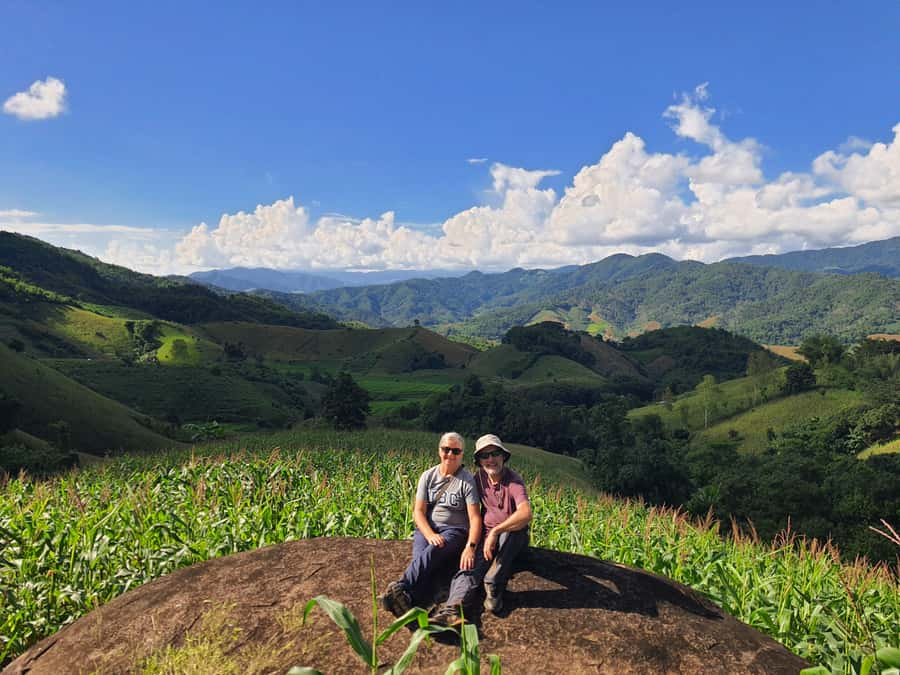
The first village stop is Lesu, also written Lisu in some descriptions. Lunch is served there, giving you a first look at village life before the route continues. The cultural value here comes from seeing several communities across the two days rather than treating one village as a quick photo stop.
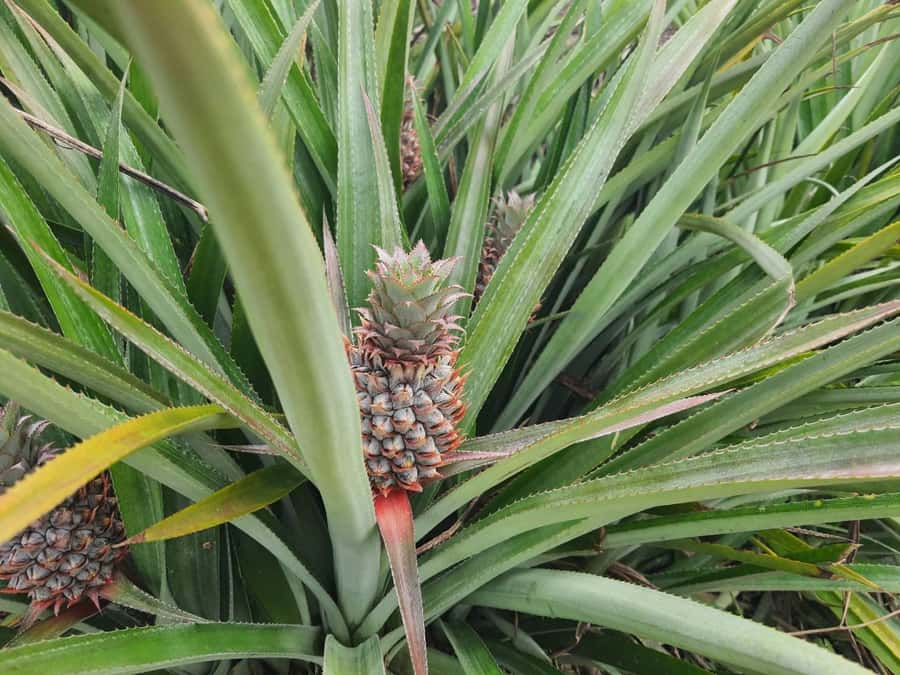
After lunch, you walk toward a Chinese village with a large tea plantation. Tea fields provide one of the prettier parts of the route, especially after the dense forest sections. You may also see other rural cultivation, including rice fields and pineapple plantations, depending on the path used that day.
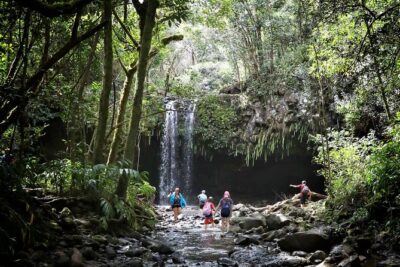
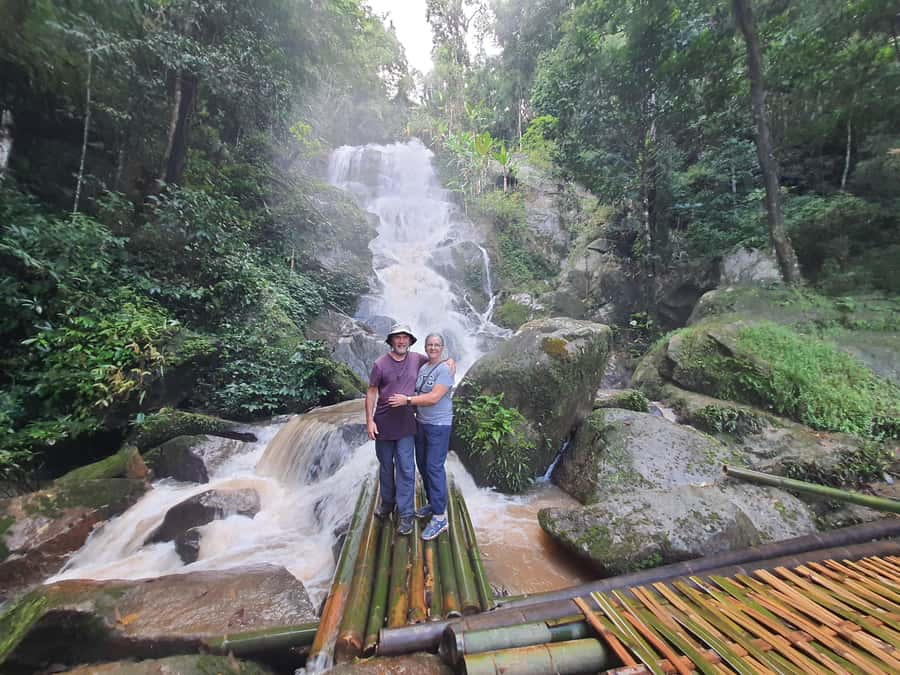
The route then reaches a waterfall for a break and, when conditions allow, a swim. Pack swimwear, a towel, and dry clothes in an easy-to-reach bag. The water is meant to refresh tired legs, but you should keep expectations flexible. One person found the waterfall small and unsuitable for swimming, so the actual experience can depend on water levels, weather, and the precise trail conditions.
That variation is worth noting because the word waterfall can suggest a large swimming hole. Here, the stop is best viewed as a natural pause in the walk, with swimming as a possible bonus rather than the sole reason to book the trek.
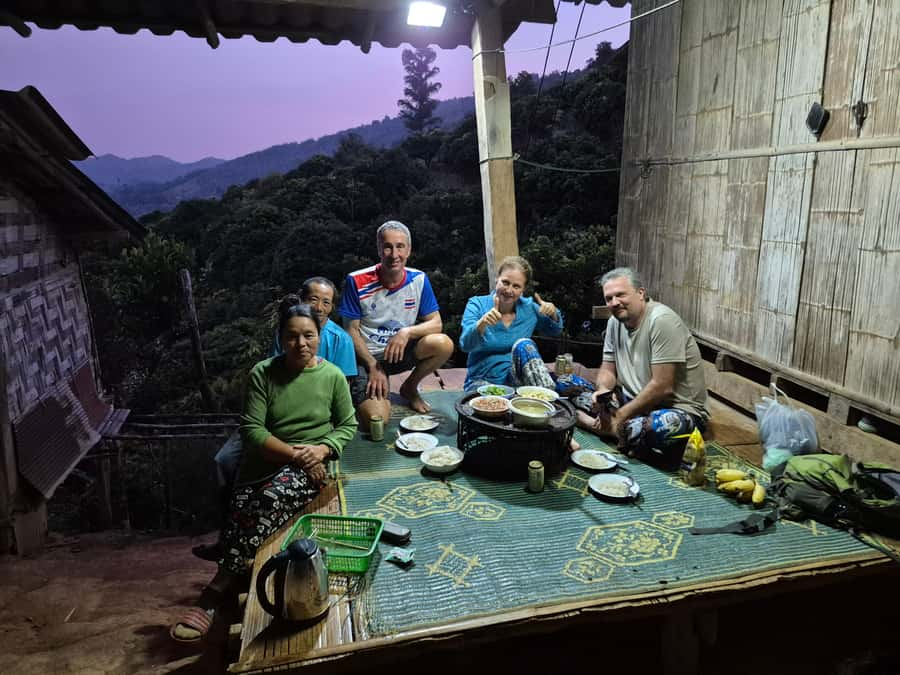
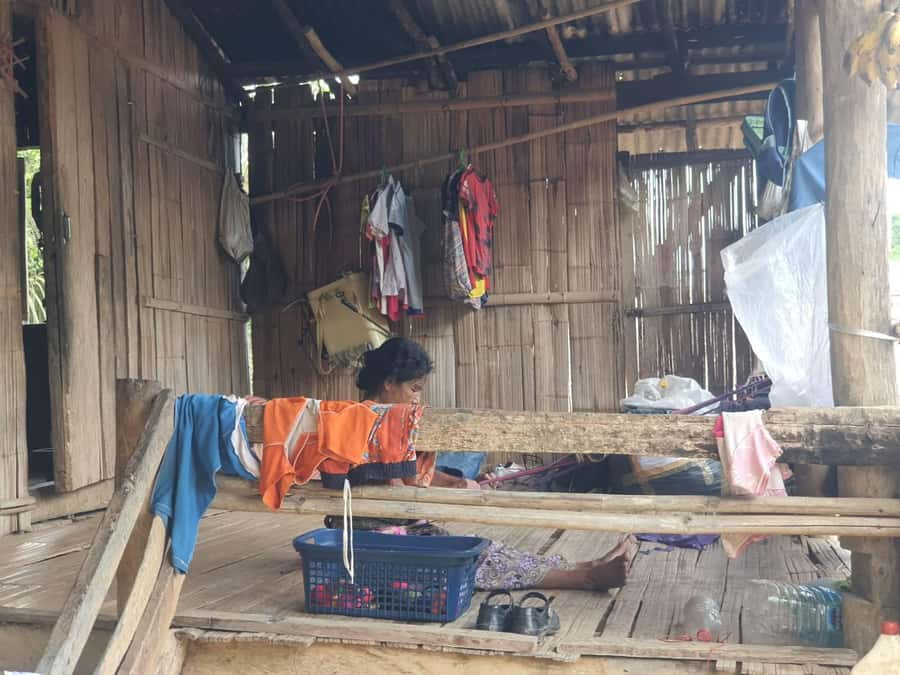
From the waterfall, the trail continues to the Akha village for the night. This is where the trip becomes more than a day hike. You sleep in a simple village home, often on a thin mattress over a bamboo floor. For some people, that is one of the most memorable parts of the trip. For others, it will be the night that confirms they should have booked a hotel.
The setting can be special. One account describes a bamboo house high above the Akha village, with sunset views and a welcoming host family. Dinner is included, and the evening may involve singing, dancing, smiles, and time with local children. These moments are not polished entertainment, which is exactly why they can feel meaningful. Still, you should approach village visits with respect and avoid treating local residents as a show.
What the Akha homestay is really like
The overnight stay is basic but central to the experience. You are not paying for a private room, soft bedding, or resort services. You are sharing in a form of village accommodation where the floor, mattress, meal, and social setting are part of the lesson.
The food receives especially strong praise. You may help prepare an evening meal with the host family, and the cooking itself becomes part of the cultural exchange. The exact dishes are not specified, so do not arrive expecting a fixed restaurant-style menu.
Vegetarian and vegan needs have been accommodated by at least one guide, and guides have also adjusted routes for individual limitations. You should still state dietary needs before departure rather than assume every meal can be changed at the last moment.
Bring a change of clothes, insect repellent, and only what you can comfortably carry. The information provided does not specify showers, private bathrooms, or luggage storage, so pack for a simple stay and avoid relying on hotel-level facilities.
More Waterfall Hikes in Thailand
- Khao Sok: Private Waterfalls and Wildlife Half-Day Trek
★ 4.5 · 337 reviews - Trekking to Waterfall Adventure Tubing 45 mins. (Only Khao lak)
★ 5.0 · 111 reviews - Khao Lak: ATV Ride Through Mountain and Waterfall Trails
★ 4.7 · 104 reviews - Chiang Mai: 2-Days Jungle Trek, Waterfalls and Karen Village
★ 4.8 · 103 reviews
Day two: cutting bamboo and cooking in the forest
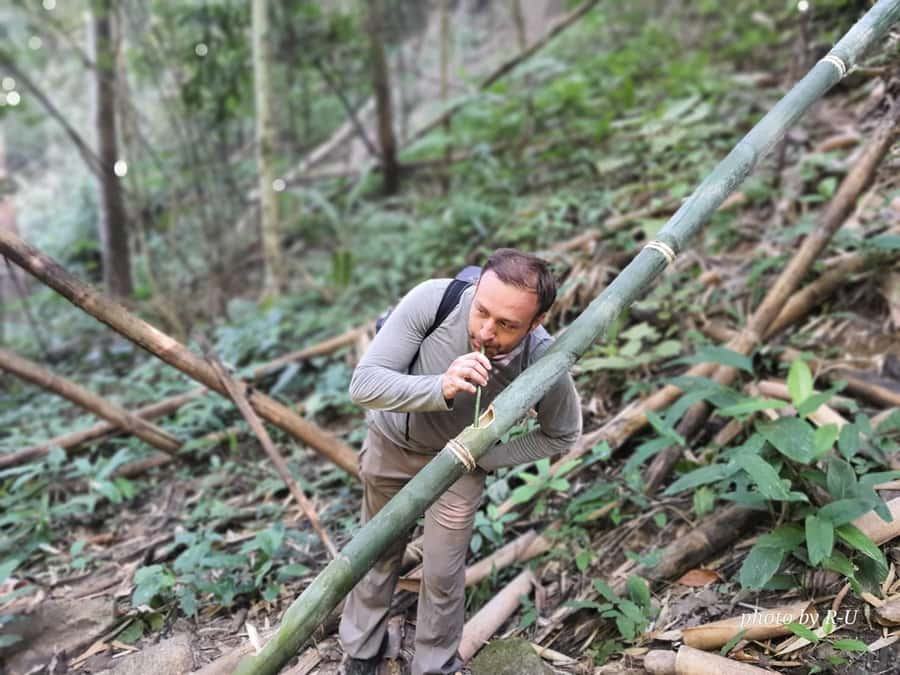
After breakfast, the second day returns to the jungle. This is the most hands-on part of the program. You cut bamboo for cups and chopsticks, then learn how to cook lunch in bamboo containers.
That lesson gives the trek its clearest sense of purpose. Instead of stopping for a standard packed lunch, you see how a local material becomes a useful kitchen tool. Guides demonstrate how natural resources can be used with very little equipment, and you take part rather than simply watch.
The activity also changes the pace of the walk. You may stop to identify plants, discuss their uses, or work through a bush skill while resting on a steep section. Guides Mo and Ru have been praised for keeping these explanations practical and entertaining. Mo is also described as an expert at bamboo carving and jungle cooking, while Ru has adapted routes and food choices to suit individual needs.
Do not confuse this with a formal survival course. The focus is on traditional techniques and local resource use during a guided trek. You are not expected to fend for yourself, and you should follow the instructions about knives, plants, fire, and rubbish.
The Lahu village and Pasoet Hot Spring
After lunch, the route continues to a Lahu village high in the mountains. This is the fourth community on the itinerary, following Lesu, Chinese, and Akha villages. The sequence gives you a wider view of the region and helps show that northern Thailand is home to varied cultures, not one single hill-tribe identity.
The final walking section leads toward Pasoet Hot Spring. Here, you can swim in a hot spa pool after two demanding days on foot. The 100 baht swimming fee is not included, so carry Thai currency.
The hot spring is a useful ending because it gives your legs a chance to relax before the drive back to Chiang Rai. It also provides a clear contrast with the waterfall on day one: cool natural water in the jungle, then warm water at the end of the trek.
Once you finish at the hot spring, the vehicle takes you back to Chiang Rai. The activity returns you to the same downtown meeting area used for pickup.
How hard is the walking?
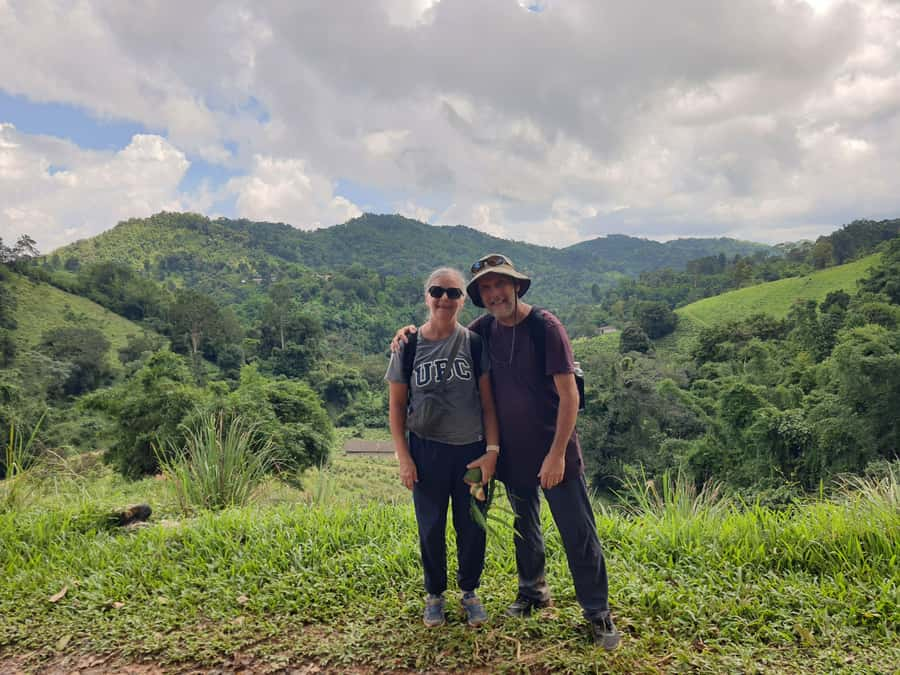
The stated level is moderate, but that label deserves a practical translation. You should expect about 10 kilometers per day, with uphill and downhill sections, uneven ground, and heat or rain depending on the season. One person who joined found the trek too demanding and ended the trip early, describing it as better suited to sporty walkers.
Other participants found the walking manageable, especially when the guide adjusted the pace and added rest stops. That difference is useful. The trek is not automatically extreme, but your experience will depend on fitness, footwear, weather, and how comfortable you are with steep ground.
Wear proper walking shoes, not casual sandals. A hat, sunscreen, insect repellent, and a reusable water bottle are practical choices. Carry snacks and keep swimwear, a towel, and dry clothes accessible rather than buried in your main bag.
The tour is not suitable for pregnant women, people with back or heart problems, wheelchair users, babies under 1 year, or people over 70. If you have an injury or uncertain fitness, ask before booking. Guides may adjust a route, but you should not count on a major change to the basic physical demands.
The guides make or break the trip
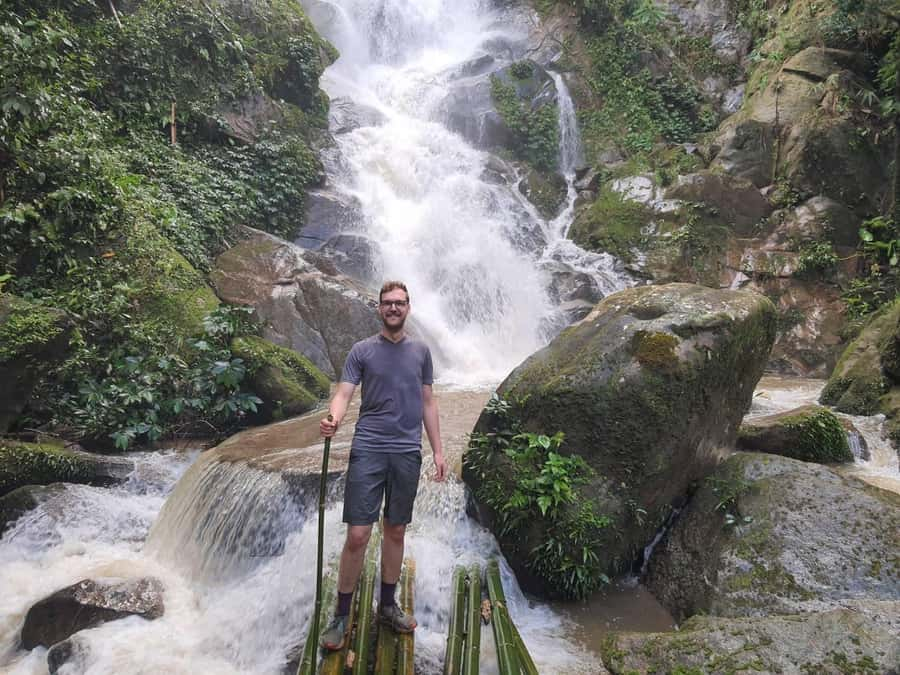
The strongest part of this experience is the guide. Mo is described as relaxed, funny, easy to talk to, and deeply familiar with the local area. His connection to a village where he grew up adds a personal layer that a guide reading facts from a script could not easily provide.
Ru has received praise for explaining jungle survival and adapting the route for a participant with a knee injury. Aryu has also led a private departure, answering questions and sharing stories throughout the two days. These examples show why the small group matters.
Guide quality can vary on any departure, but the format gives you a better chance to ask questions and learn at your own pace. If cultural explanation is important to you, tell the guide early. Ask about plants, village customs, food, farming, and the differences between the communities you visit.
Who should book this Chiang Rai trek?
I would choose this experience if you want a physical trip with real participation. It suits you if you like village homestays, simple food, outdoor skills, and walking through changing scenery rather than ticking off a long list of viewpoints.
It is also a strong option if you want a small group and a guide-led introduction to northern Thai communities. The bamboo cup, chopstick, and cooking lessons give the second day a useful focus, while the Akha overnight stay adds a human element.
I would hesitate if your priority is comfort, short walks, or guaranteed swimming at a large waterfall. The route can be steep, the accommodation is basic, and one person found the first-day explanations and waterfall less rewarding than expected. You should also be comfortable with village etiquette, limited facilities, and weather changes.
Free cancellation up to 24 hours before the start and the option to reserve without paying immediately make planning easier. Still, the key decision is fitness, not booking flexibility.
Final verdict: a worthwhile trek for the right walker
At 4.8 out of 5 from 17 ratings, this Chiang Rai trek has a strong record, and I can see why. Its best qualities are specific: local guides, bamboo cooking, a real village overnight stay, varied rural scenery, and contact with four different communities.
The trip offers good value at $122 when you use the included transport, meals, guide, water, insurance, and accommodation. But the price does not buy comfort. It buys access to a demanding, practical two-day experience.
Book it if you want to work for the scenery and learn by doing. Skip it if you want an easy forest walk with a guaranteed big waterfall and soft bedding. Pack light, wear serious shoes, respect village customs, and let the guide set the pace. That is how this trek is most likely to become one of your memorable Chiang Rai experiences.
FAQ
How long is the Chiang Rai jungle trek?
The experience lasts two days, with approximately 10 kilometers of walking each day.
What villages does the route visit?
The route visits Lesu, Chinese, Akha, and Lahu villages.
Where do you sleep overnight?
You stay overnight in an Akha village in simple village accommodation.
Are meals included?
Yes. The package includes lunch and dinner on day one, then breakfast and lunch on day two.
Can you swim during the trek?
Swimming may be possible at the waterfall, depending on conditions. You can also swim in the Pasoet Hot Spring pool, which costs an additional 100 baht.
Is the trek suitable for beginners?
It involves a moderate level of physical activity, steep sections, and about 10 kilometers of walking per day. It is not simply an easy forest walk.
What should you bring?
Bring comfortable trekking shoes, a hat, swimwear, a towel, a change of clothes, sunscreen, insect repellent, water, snacks, and a camera.
Is hotel pickup included?
Yes. Pickup and drop-off are provided for hotels within approximately 3 kilometers of downtown Chiang Rai. Wait in the lobby between 9:00 and 9:30 a.m.
More Two-Day Trips in Thailand
- Chiang Mai 2-Day: Trekking, Tubing & Elephant Observation
★ 4.9 · 95 reviews - Glamping in Kanchanaburi and Erawan Falls 2 days/1 night
★ 5.0 · 7 reviews - Chiang Mai: 2-Day Tour with Rafting, Elephants, and Waterfall
★ 5.0 · 6 reviews - From NYC: Niagara Falls with Outlet Shopping, 2-Day Tour
★ 4.6 · 1,042 reviews
More Waterfall Walks in Thailand
- Chiang Mai Untouched Elephant: Nature Walk & Waterfall Trek
★ 4.7 · 77 reviews - Chiang Rai Trek: 4 Hilltribes Villages & Waterfall Only Walk
★ 4.8 · 8 reviews - From Sydney: Blue Mountains Tour with Waterfall Walk & Lunch
★ 4.8 · 2,400 reviews - Krka Waterfalls tour with Trogir Walking tour and Krka panoramic boat cruise
★ 5.0 · 1,659 reviews
Just added around Thailand
- Waterfall Wanderer Doi Inthanon Hiking Tour★ 5.0 · 15 reviews
- Trek to a Jungle Waterfall★ 5.0 · 14 reviews
- Private tour Chiang Dao cave ,Temples,Sticky waterfall★ 5.0 · 14 reviews
- Sticky Waterfall Cycling Tour★ 5.0 · 68 reviews
- Sticky Waterfalls Private Half Day Fun Escapades★ 4.5 · 8 reviews
- Private Doi Suthep Temple Handicraft Center and Sticky Waterfall★ 5.0 · 9 reviews
- Private tour] Perfect day! Sticky waterfall + ChiangDao Cave + Wat BandenTemple★ 4.5 · 6 reviews
- Private Tour: Bua Thong Sticky Waterfalls Tour★ 5.0 · 8 reviews
Rainforest & Jungle Waterfall Tours, compared.
El Yunque Rainforest: Waterslides, Waterfalls and Rope Swing
Read our review →
Small Group Waterfall and Rainforest Hiking Adventure on Maui
Read our review →
All Inclusive Waterfalls and Rainforest Tour from Cairns
Read our review →Samui Zipline FLY & Fun Tree Bridge Jungle Cafe & Waterfall
Read our review →
Gorilla Face Quad Bike, Jungle Swing, Waterfall & Meal
Read our review →
Munduk: Twin Lake Jungle Hike, Ulun Danu Temple, & Waterfall
Read our review →