
REVIEW · BALI, INDONESIA
Bali: Kintamani Downhill Bike Tour, Jungle and Waterfalls
Trade Ubud traffic for village roads. This Kintamani downhill bike tour combines Mount Batur views, jungle paths, rice fields, temples, and close contact with Balinese village life. At $33 per person, it offers far more than a simple bike ride.
I like the small-scale cultural stops, especially the local family compound and artisan visits. I also like the practical route: much of the ride is downhill, and lunch, coconut water, a bike, helmet, guide, and Ubud-area transport are included.
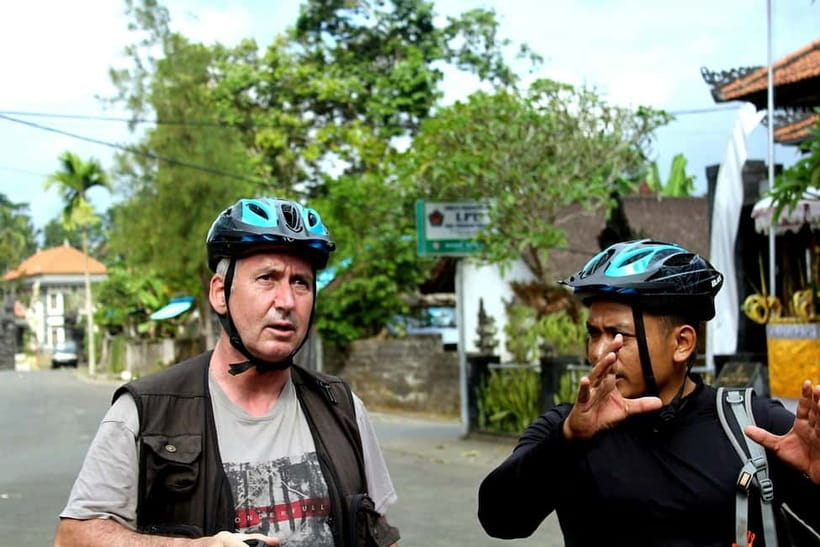
The main consideration is simple: you must be comfortable riding a bicycle. The route is friendly to most fitness levels, but downhill cycling still requires steering, braking, and attention. Some riders may also want to bring gloves, since one rider found the handlebars uncomfortable after a while.
Key Points Before You Book
- Mount Batur begins the day: You get a look at the volcano, crater lake, and black lava fields before cycling.
- The route goes beyond the usual Bali sights: Expect bamboo forest, coffee plantations, rice terraces, village roads, temples, and working farmland.
- Culture is part of the ride: A family compound, sacred white cows, local customs, and Hindu beliefs give the outing real context.
- Lunch is included and well placed: The Balinese meal comes at the end in Taro, with rice fields and jungle scenery around you.
- Ubud pickup adds real value: Transport from the Ubud area is included, while pickup elsewhere in Bali costs extra.
- The guides shape the day: Guides such as Komang Oyik, Tonic, and Made have been praised for warmth, clear English, and cultural knowledge.
From Ubud to the High Slopes of Kintamani
The day starts with pickup from your Ubud-area hotel or a designated meeting point. That removes one of the usual Bali headaches: arranging a ride to a remote starting point. If you are staying outside Ubud, pickup and return can be arranged for an added cost, so check your area before booking.
The drive takes you north toward Kintamani. This is not just a transfer. The highland setting changes the feel of the day, taking you away from Ubud’s shops, cafés, and road traffic.
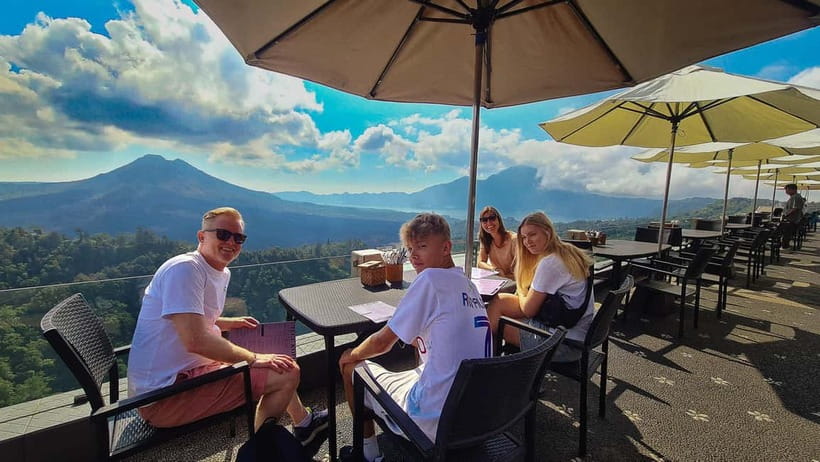
At Kintamani, you get views of Mount Batur, its crater lake, and the broad black lava fields left by past eruptions. The sight is one of the strongest reasons to choose this tour. It gives you a clear sense of Bali’s volcanic character before you begin the ride through greener country.
There may be an optional stop at a local restaurant for photos and a closer look at the view. Food at this point is not included as part of the tour, so treat it as a scenic pause rather than a required meal stop. The included Balinese lunch comes later.
Cloud cover can affect the mountain view. On a clear morning, Mount Batur and the lake should be the visual high point of the opening drive. Even if mist softens the volcano, the change from highland slopes to rural roads still makes the transfer worthwhile.
More Rainforest and Jungle Waterfall Tours in Indonesia
- Ubud: Gorilla Face Quad Bike, Jungle Swing, Waterfall & Meal
★ 4.9 · 580 reviews - Munduk: Twin Lake Jungle Hike, Ulun Danu Temple, & Waterfall
★ 4.9 · 536 reviews - Ubud: Jungle, Waterfall, and Tunnel ATV Tour & Lunch Options
★ 4.8 · 437 reviews
The Downhill Route Through Bamboo and Rice Fields
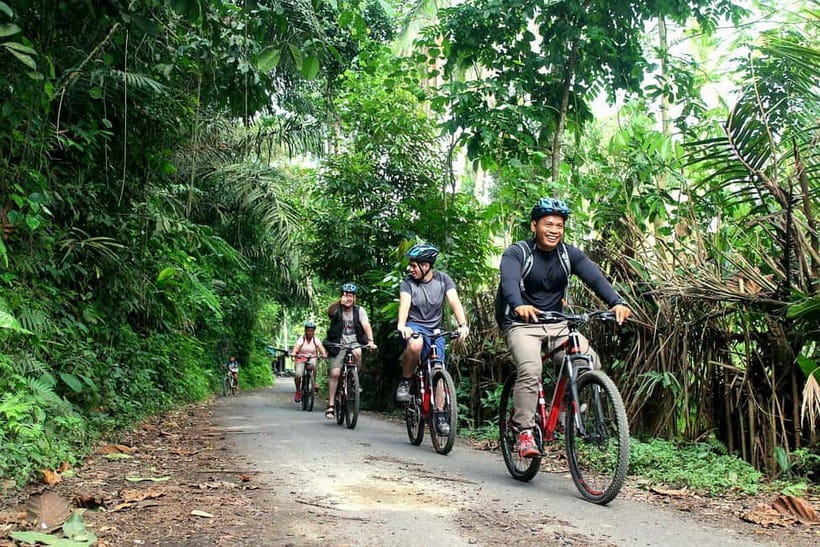
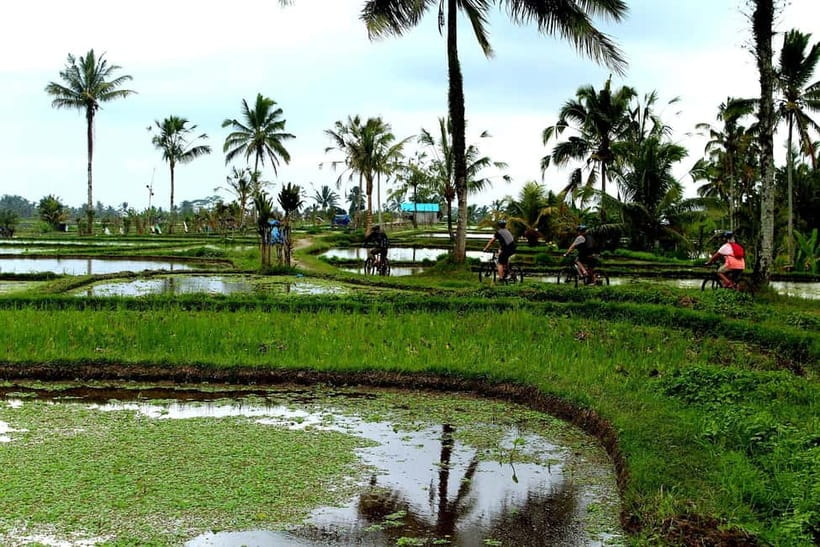
After a safety briefing, you receive a maintained mountain bike and helmet. The route heads downhill toward Taro Village, passing through quiet rural roads, plantations, bamboo forest, rice terraces, and Balinese villages.
The downhill format is a useful feature for anyone who wants scenery without signing up for a punishing cycling day. You are not expected to grind up steep mountain roads for hours. Still, downhill does not mean effortless. You need to control your speed, use the brakes properly, and stay alert on village roads.
The ride is described as suitable for most fitness levels, but that promise depends on basic confidence on a bicycle. If you are uneasy with steering or braking, this is not the right activity. People who ride casually should find the route manageable, especially with the guide setting the pace.
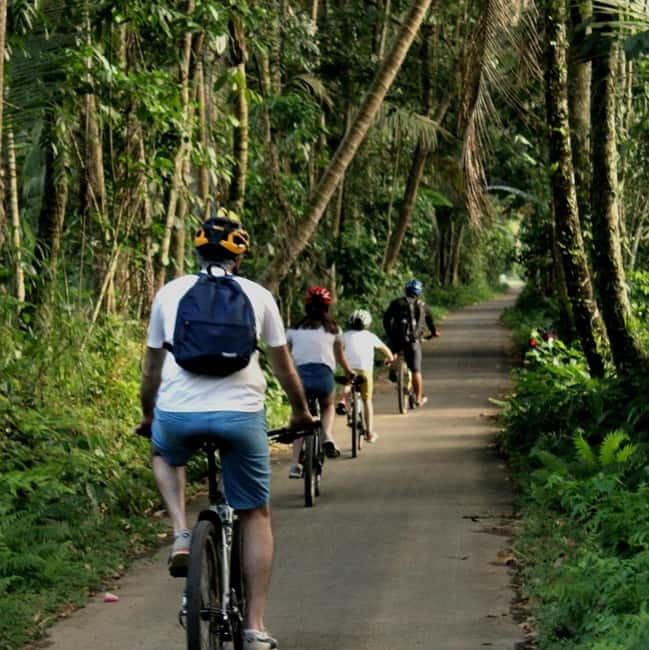
The countryside changes often enough to keep the ride interesting. Bamboo creates shaded green corridors. Rice fields open up the view. Village roads bring you close to temples, homes, and everyday work. You get a moving picture of Bali rather than one fixed photo stop after another.
Wear clothes that are comfortable for cycling and expect to encounter sun, dust, and insects. Sunscreen and insect repellent are sensible additions. A camera is worth bringing, but keep it secure while riding. You may also want padded cycling gloves, a useful tip after one rider found the bike grips hard on the hands.
Coffee, Herbal Tea, and the Working Countryside
The coffee plantation stop gives the route a pleasant break. You can taste several local coffees and herbal teas while learning how Balinese coffee is prepared. The tasting is included, so it does not require the kind of extra spending that can creep into some day tours.
This stop works best if you approach it as a short introduction to local agriculture, not as a serious coffee seminar. You will see how coffee fits into rural life and get a chance to try flavors you may not encounter at home. If you are not a coffee drinker, the herbal teas give you another option.
The plantation also breaks up the cycling in a practical way. You can rest, listen to the guide, and regain energy before returning to the road. Several sections of the itinerary involve riding and walking around village areas, so these pauses help keep the day comfortable.
The countryside is not a staged theme park. Farmers may be tending rice fields, families may be going about daily routines, and artisans may be working with seasonal materials. Your guide provides the link between what you see and the customs behind it.
White Cows and Balinese Hindu Traditions
One of the more unusual stops is a conservation area for sacred white cows. These animals have a role in Balinese Hindu rituals, making the stop more than an ordinary farm visit.
This is where the guide matters most. The tour includes explanations of Hindu beliefs, local customs, and village life, so you are not left to guess why a particular animal, shrine, or building matters. Guides including Komang Oyik, Tonic, and Made have been singled out for their friendliness and care, though the guide assigned to your group will depend on the day.
Made, in particular, has been praised for bringing a strong connection to the local community into the ride. That matters because the tour is based in the area where the cycling takes place, rather than treating the villages as scenery viewed from a vehicle.
You should still be respectful. Listen before taking photographs, follow the guide’s instructions, and remember that temples, compounds, animals, and rituals are part of local life, not simply photo props.
Same trip, a different kind of day out:
- Ubud: Waterfalls, Water Temple & Rice Terraces Private Tour
★ 5.0 · 5,484 reviews - Ubud: Waterfall, Rice Terraces & Monkey Forest Private Tour
★ 4.9 · 4,894 reviews - Best of Bali Waterfalls: Tibumana, Tukad Cepung and Tegenungan
★ 5.0 · 3,047 reviews - Ubud: Full-Day Rice Terrace, Monkey Forest & Waterfall
★ 5.0 · 2,634 reviews
Inside a Traditional Family Compound
The visit to a local family compound is one of the tour’s best cultural features. You get to see the layout of a traditional Balinese home and learn how the buildings relate to family life and daily rituals.
This is more useful than a quick stop at a famous temple because it brings culture down to a human scale. You can ask questions about architecture, household routines, and the way a compound functions. The experience helps explain why Balinese homes look different from ordinary houses in other parts of Indonesia.
The visit also gives you a chance to slow down. The bicycle route shows the village from the outside, while the compound offers a closer look at how people live. That contrast is valuable. You are not simply collecting pictures of rice terraces and shrines. You are learning how the visible details fit together.
The stop should be approached with courtesy. Dress comfortably but respectfully, and avoid rushing through the space. Your guide can explain what is appropriate, including where to stand and when photography is suitable.
Artisan Work, Seasonal Fruit, and Village Roads
The tour includes time around local artisans and farmers. You may see people tending rice fields, try seasonal fruit, and watch traditional work in village settings.
The word local can be vague on many tours. Here, the useful part is the range of encounters: coffee production, farming, home architecture, sacred animals, and artisan activity. Each stop adds another piece to the picture of rural Bali.
The route also passes temples and village streets that see fewer sightseeing vehicles than central Ubud. That does not mean the day is entirely isolated. Bali is a lived-in place, and you remain part of the road environment. The reward is a less polished view of the island, with ordinary homes, farms, and religious life close at hand.
Your guide’s language ability can shape how much you take from these stops. The tour is offered in English and Indonesian. Guides praised for clear English, such as Tonic and Komang Oyik, can make the cultural explanations easier to follow. If a cultural question matters to you, ask it during the pauses rather than while moving.
Taro Village Lunch With Rice Field Views
The ride ends in Taro, described as one of Bali’s oldest settlements. Here you receive a Balinese lunch in a natural setting with rice fields and jungle views around you.
This is a strong finish because the meal arrives after the physical part of the day. Fresh coconut water is included, and the lunch gives you a chance to try traditional Indonesian food rather than relying on a familiar resort menu. The meal has been praised for both its preparation and its peaceful setting.
Do not expect a rushed roadside snack. The point is to sit, eat, and let the day settle. The surroundings make the meal feel connected to the ride, since you are still among the fields and villages you have just passed.
Lunch is also where the tour delivers good value. The $33 price includes transport from the Ubud area, the Kintamani entrance ticket, bike, helmet, guide, coffee and tea tasting, coconut water, cultural stops, and lunch. Prices can change, but based on what is included, this is a strong package for anyone already planning to see the Ubud and Kintamani area.
The value is less convincing if your only goal is fast cycling. You are paying for a full cultural outing, not just bike rental. If you prefer an athletic ride with no stops, this tour may feel too social and explanatory.
Optional Fireflies After an Afternoon Ride
Afternoon departures may offer an optional extension to see fireflies at twilight. This is not part of the standard core experience, so confirm the timing and availability when booking.
The add-on suits people who like a slower finish. After the cycling, village visits, and lunch, the fireflies provide a quiet look at Bali after sunset. It is a natural event, so the viewing experience can vary. Think of it as a possible bonus, not the main reason to book.
If you are choosing between a morning and afternoon outing, consider your priorities. Morning timing generally fits the listed mountain-view and cycling plan. An afternoon tour may appeal if you like the idea of ending in the evening, but it can make for a longer day.
Guides, Bikes, and What to Pack
The strongest personal element is the guiding. Komang Oyik has been praised for making the day enjoyable and culturally engaging. Tonic has been described as especially warm and attentive, while Made has a close connection to the community and a clear interest in keeping traditional Balinese customs alive.
You may not receive one of these specific guides, but their role shows what the experience depends on. A good guide keeps the group safe, explains local beliefs without turning them into a lecture, and helps village visits feel respectful rather than intrusive.
The bikes are described as well maintained, and helmets are included. Bring comfortable clothing, sunscreen, insect repellent, and a camera. Add gloves if you have sensitive hands or simply prefer extra grip.
Weapons, sharp objects, alcohol, and drugs are not allowed. The tour is not suitable for anyone who cannot ride a bicycle. You should also be ready for changing conditions, from sun in open rice fields to shade in the bamboo forest.
Who Should Book This Kintamani Bike Tour?
I would choose this outing if you want Bali beyond Ubud’s main streets and do not mind spending much of the day moving between several types of stop. It suits couples, families with confident cyclists, solo visitors, and anyone who wants culture and scenery in the same activity.
It is especially useful if you are staying in Ubud and want transport handled for you. The free pickup and return within the Ubud area save money and planning time. If you are in Kuta or another part of Bali, the added transport fee may still be worthwhile, but compare it with arranging your own transport.
This is not the best pick for a serious mountain biker. The route is designed around downhill riding, village visits, cultural explanations, and lunch, not speed or technical trails. It is also not ideal if you dislike stopping often or prefer a private, tightly timed itinerary.
Cancellation is allowed up to 24 hours before departure for a full refund, and you can reserve now and pay later. Those policies make it easier to fit the outing into a changing Bali schedule.
Should You Book It?
Book this tour if you want a gentle cycling day with real contact with rural Bali. The best parts are the Mount Batur viewpoint, the quiet roads through bamboo and rice fields, the family compound, the sacred white cows, and the final meal in Taro.
At $33 per person, the inclusions are generous, especially with Ubud transport, lunch, coconut water, bike, helmet, and entrance fees covered. Just bring sensible cycling gear, expect a full sequence of stops, and be honest about your comfort on a bicycle.
If that sounds like your kind of day, this is an easy recommendation. You get scenery, food, movement, and useful cultural context without spending the day in a tour bus.
FAQ
Where does the Kintamani downhill bike tour take place?
The tour begins in the Kintamani highlands and follows a downhill route toward Taro Village in Bali.
Is hotel pickup included?
Free pickup and drop-off are included for hotels in the Ubud area or from a designated meeting point.
Can I join from outside Ubud?
Pickup and drop-off from other areas of Bali can be arranged for an additional cost. You should select or provide your area when booking.
What mountain views can I expect?
The Kintamani stop includes views of Mount Batur, the crater lake, and black lava fields. An optional local restaurant stop may also be available for photos.
Is the bike and helmet provided?
Yes. A maintained mountain bike and helmet are included.
Do I need to be fit for the tour?
The downhill route is suitable for most fitness levels, but you must be comfortable riding a bicycle and controlling it on the road.
What food and drinks are included?
The tour includes fresh coconut water and a Balinese lunch in Taro. Coffee and herbal tea tasting at a plantation is also included.
What cultural stops are included?
You visit a coffee plantation, bamboo forest and jungle areas, a sacred white cow conservation area, a local family compound, village areas, and artisan locations.
Is the firefly visit included?
Firefly viewing is an optional add-on for afternoon tours. It is not part of the standard tour for every departure.
What languages are available?
The experience is offered in English and Indonesian.
More Bike Tours in Indonesia
- ATV Quad Bike Through Tunnel and Waterfall in Bali
★ 5.0 · 2,098 reviews - ATV Quad Bike Bali with Waterfall Gorilla Cave and Lunch
★ 5.0 · 1,925 reviews - Bali ATV Quad Bike Through Tunnel, Waterfall, White Water Rafting
★ 5.0 · 610 reviews - Ubud Bali: Kuber ATV Quad Bike with Long Tunnel & Waterfalls
★ 4.8 · 268 reviews
Just added around Indonesia
- Ubud ATV Ride with Waterfall, Dragon Cave & Lunch – 2 Hours★ 5.0 · 5 reviews
- Monkey Forest, Ubud, Waterfall and Rice Terrace★ 4.5 · 53 reviews
- Bali ATV Ride with Waterfall Dragon Cave and Lunch by Penidago★ 4.5 · 7 reviews
- Bali: Tirta Gangga, Taman Ujung and Cepung Waterfall Trip★ 4.8 · 101 reviews
- Tetebatu: Waterfalls, Spices, Rice Terrace, Monkey forest★ 4.9 · 55 reviews
- Tetebatu : Walk on Rice Terrace, Waterfall and Black Mongky★ 5.0 · 7 reviews
- Tanah Lot-Nung Nung Waterfall-Jatiluwih and Bedugul★ 4.7 · 16 reviews
- Tetebatu : Waterfall, Rice Fields & Monkey Forest Full day★ 4.9 · 14 reviews
Rainforest & Jungle Waterfall Tours, compared.
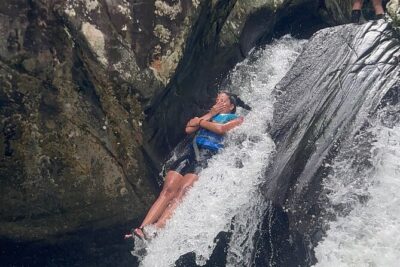
El Yunque Rainforest: Waterslides, Waterfalls and Rope Swing
Read our review →
Small Group Waterfall and Rainforest Hiking Adventure on Maui
Read our review →
All Inclusive Waterfalls and Rainforest Tour from Cairns
Read our review →Samui Zipline FLY & Fun Tree Bridge Jungle Cafe & Waterfall
Read our review →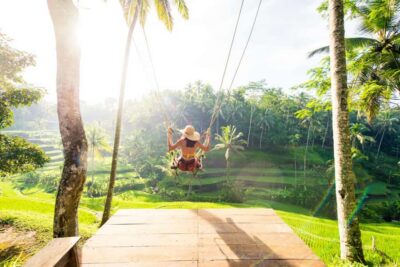
Gorilla Face Quad Bike, Jungle Swing, Waterfall & Meal
Read our review →
Munduk: Twin Lake Jungle Hike, Ulun Danu Temple, & Waterfall
Read our review →
Waterfall & Rainforest Hiking Adventure with Hotel Pickup
Read our review →Browse the lists this tour appears in