
REVIEW · WEST NUSA TENGGARA, INDONESIA
Tetebatu: Waterfalls, Spices, Rice Terrace, Monkey forest
Tetebatu rewards curious walkers. This private day tour brings you close to Lombok life through spice gardens, jungle paths, rice fields, waterfalls, monkeys, and village crafts. I like the way local guides such as Lan, Anwar, Woody, and Andi adjust the pace and route to suit you. I also like the mix of seeing and doing, from tasting herbal drinks to trying bamboo work.
The main catch is that this is a proper walking day, not a gentle sightseeing circuit. Paths can be steep, slippery, and uneven, and reaching one waterfall may mean walking knee-deep through water. Lunch, snacks, and transport are not included in the $21 price, although pickup within Tetebatu is free.
Five things to know before you go
- The waterfall route can be wet: Bring swimwear and water shoes, not just sandals.
- The guides make the day personal: Lan, Anwar, Woody, and other local guides have adapted routes, start times, food stops, and activities to suit individual needs.
- Black monkeys are a real highlight: You may see the rare black-collared monkeys in the forest, along with grey monkeys.
- The tour is more than a photo stop: You can taste local plants, learn about rice farming, visit village craftspeople, and try bamboo work.
- The $21 price covers the core experience: Entry tickets, a guide, and seasonal fruit are included, while food, snacks, and transport cost extra.
- Expect about 6.5 hours: The day begins and ends at a Tetebatu pickup point, with longer Lombok transfers available for an additional charge.
Why Tetebatu feels different from a standard day tour
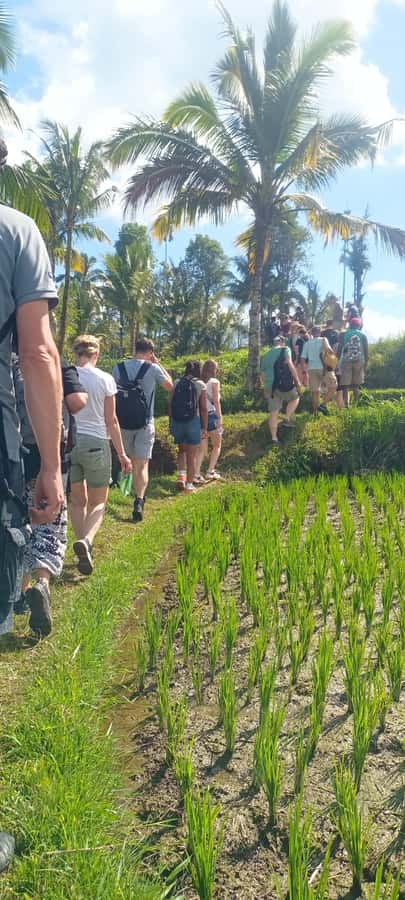
Tetebatu gives you a close look at the working countryside of Lombok. Instead of moving from one major attraction to another by car, much of the day happens on foot through farms, village paths, jungle, and rice terraces.
That matters because the best parts are often small. You might stop to inspect a spice plant, watch rice being processed, taste coffee or tea, or chat with a craft worker. The tour does not treat the countryside as a backdrop only. It gives you some sense of how people use the land.
I especially like the private-group setup. You are not tied to a large bus or a fixed pace. The guides have started earlier for guests with limited time, changed routes during heavy rain, and added local crafts or weaving when there was time.
That flexibility also means the exact day can vary. Weather, water levels, farming activity, and your walking speed all matter. Think of the advertised route as a framework rather than a rigid list of stops.
More Rice Terrace and Bali Waterfall Tours in Indonesia:
- Ubud: Waterfalls, Water Temple & Rice Terraces Private Tour
★ 5.0 · 5,484 reviews - Ubud: Waterfall, Rice Terraces & Monkey Forest Private Tour
★ 4.9 · 4,894 reviews - Best of Bali Waterfalls: Tibumana, Tukad Cepung and Tegenungan
★ 5.0 · 3,047 reviews
The spice plantation starts the day with useful flavor
The opening plantation walk introduces you to the plants that shape local cooking and home remedies. Your guide can explain spices, herbs, trees, and traditional uses, then offer a herbal drink made from local plants and older family recipes.
This is one of the more worthwhile parts of the tour because it gives context to what you see later at a warung or market. You may also have a chance to taste Lombok coffee, tea, hot chocolate, or seasonal fruit. Fruit is included when available, but drinks and any purchases are extra.
The pace here is usually easy, though the tour description also includes walking and hiking. If you are interested in plants, ask questions early. Guides such as Anwar and Woody have been praised for explaining how certain plants are used as medicine and how the local community works with them.
You may stop at a small spice shop or café. This can be a pleasant pause, but remember that it is also a buying opportunity. The stop is not described as compulsory, and you should feel free to look without purchasing.
Reaching the waterfall takes some effort
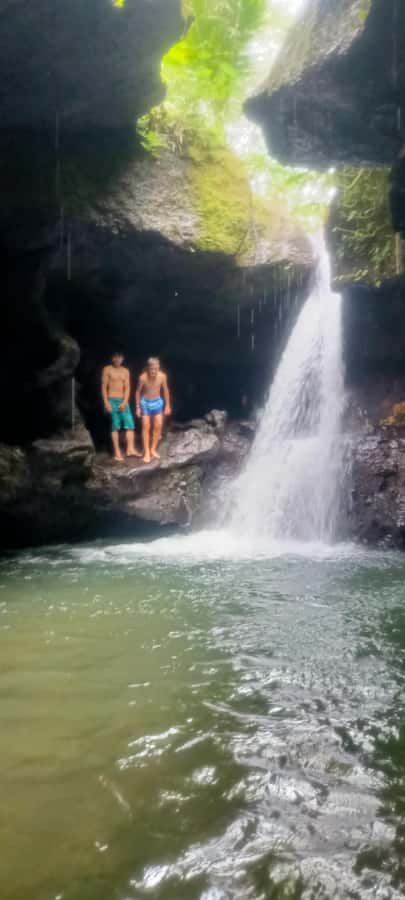
The waterfall section is the most active part of the day. You follow jungle and village paths toward a waterfall such as Durian Indah, with some routes passing through a waterfall cave or wet stream.
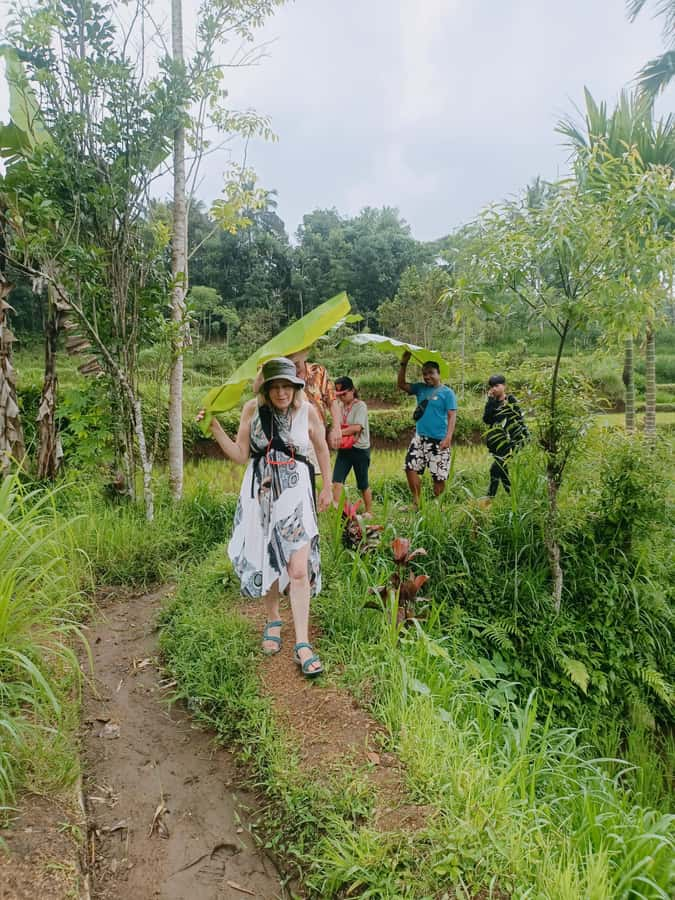
The reward is a cool place to swim and take a break. Some guides have joined guests in the water, and they may help you over awkward sections. After rain, though, the ground can be slick. One section may require walking through water up to your knees, so water shoes are far safer than flip-flops.
Bring:
- Swimwear
- Water shoes
- Drinking water
- A small dry bag for phones and valuables
The route is not suitable for anyone expecting a paved walk. It can be steep in places, and the return through the fields may feel harder than the walk in. I would treat the waterfall as a short hike with a swim, not as a simple roadside stop.
You should also keep your expectations sensible. The waterfalls are attractive and refreshing, but their appearance depends on recent rain. A wet-season visit may mean stronger water, muddier paths, and route changes. During heavy rain, the guide may adjust the order of stops or avoid exposed sections.
Rice terraces show how Tetebatu works
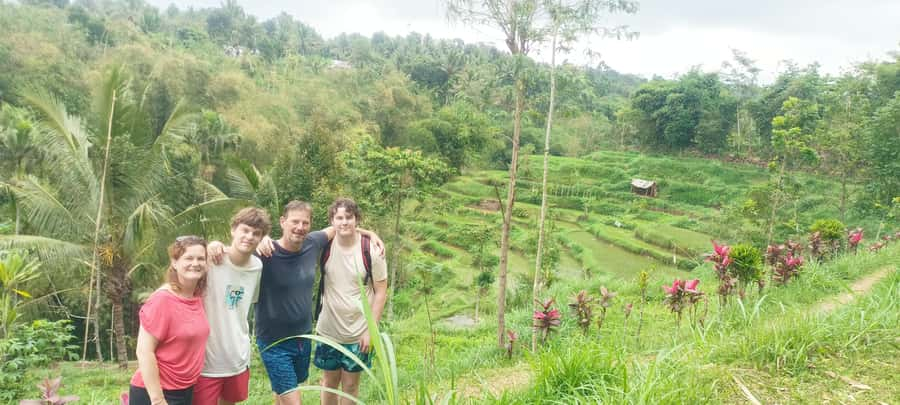
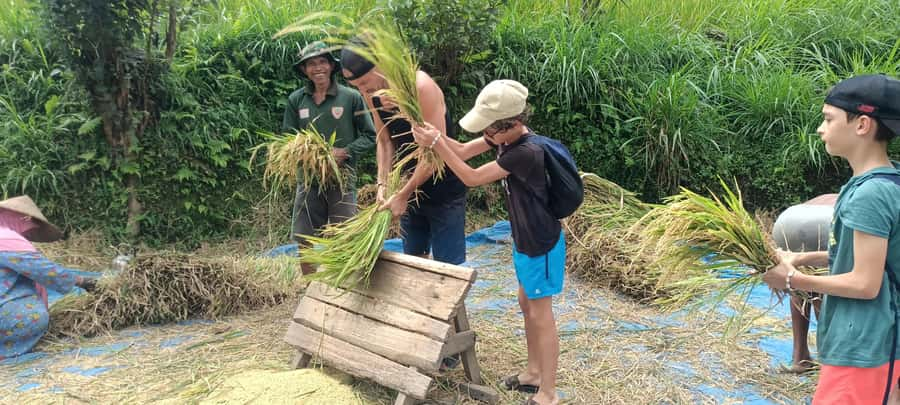
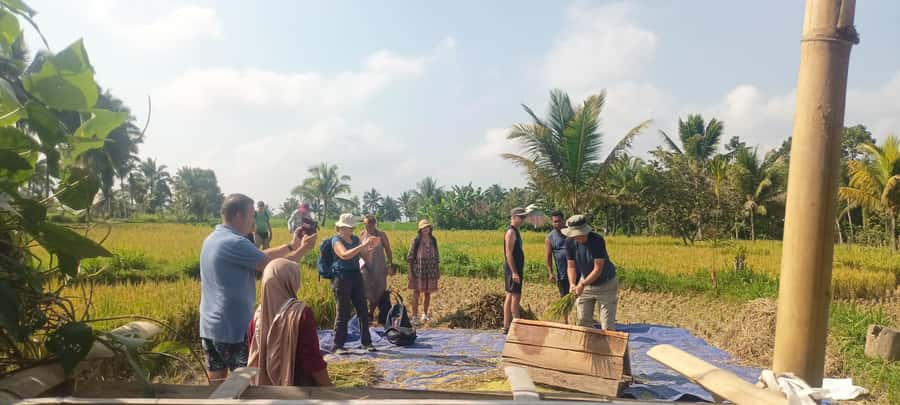
The rice terraces are the visual heart of the day. You walk between paddies and village paths while the guide explains planting, harvesting, processing, and the stages of rice production.
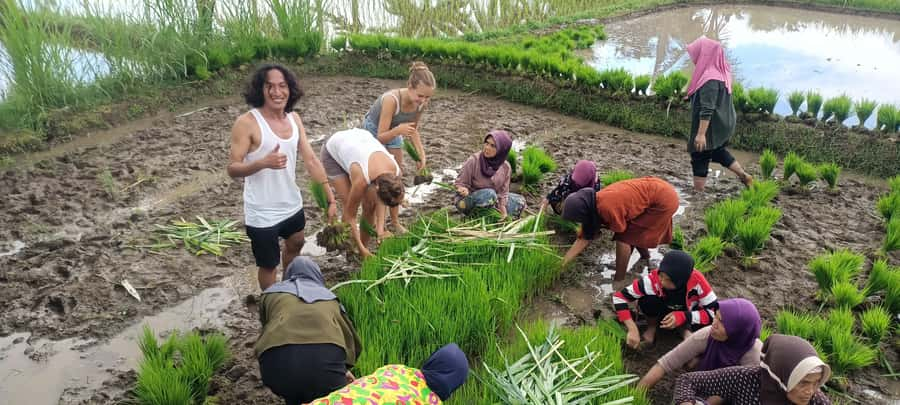
This is where the tour moves beyond scenery. You may see farmers working at different points in the growing cycle, and some guests have been able to take part in simple farming tasks. The views are broad and peaceful, but the walking surface can be narrow, muddy, or uneven.
Wear shoes you can get dirty. The terraces are not a formal garden with paved paths, and conditions may change after rain. If you have a bad knee or dislike slopes, tell the guide at the start so the pace can be adjusted.
I like this section because rice is not just an agricultural product in Lombok. It shapes daily routines, village work, meals, and the look of the countryside. A good guide turns a pleasant walk into a clearer picture of local life.
You will have time for your own lunch during the day. Food is not included, but guides may take you to a local warung. That gives you more choice than a set tour meal, though you should budget separately for lunch, drinks, and snacks.
A few more waterfall trips around Indonesia worth a look
- Ubud: Full-Day Rice Terrace, Monkey Forest & Waterfall
★ 5.0 · 2,634 reviews - ATV Quad Bike Through Tunnel and Waterfall in Bali
★ 5.0 · 2,098 reviews - ATV Quad Bike Bali with Waterfall Gorilla Cave and Lunch
★ 5.0 · 1,925 reviews - Bali: Lempuyang Quick Access, Waterfall, Water Palace & More
★ 4.7 · 1,072 reviews
The monkey forest requires patience
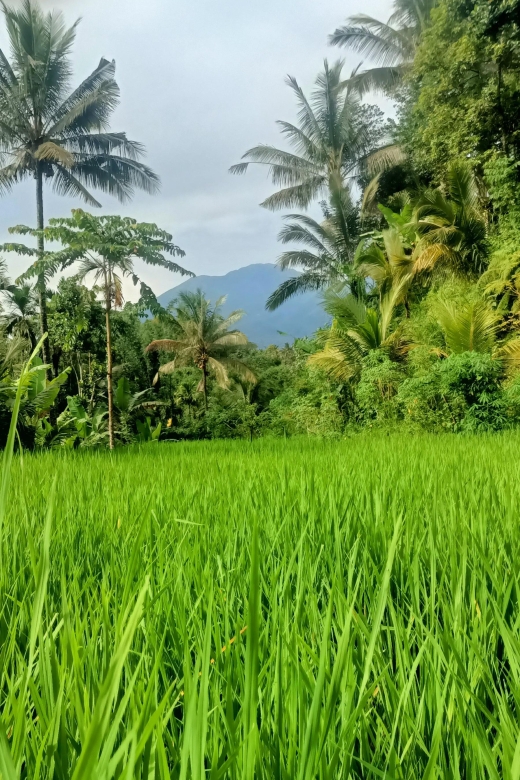
The sacred Monkey Forest comes later, often after the rice fields and waterfall. The forest is home to grey monkeys and the rare black-collared monkeys found in this area.
Seeing the black monkeys is not guaranteed. Guides may need to search quietly, and the animals are not arranged for a quick photo. That uncertainty is part of the appeal, but it also means this stop can take more or less time depending on what appears.
Keep food and loose items secure, and follow your guide’s instructions around the animals. The supplied information does not promise feeding or close contact, so treat the forest as a wildlife sighting rather than a petting stop.
The forest may feel more special after the open rice terraces. You move from cultivated land into trees, listening and looking for movement overhead. Some groups have found two families of black monkeys, while others have seen both black and grey types.
This stop also adds cultural weight to the day. The forest is described as sacred, so respectful behavior matters. Keep your voice low, avoid chasing animals, and let your guide set the distance.
Bamboo craft turns watching into doing
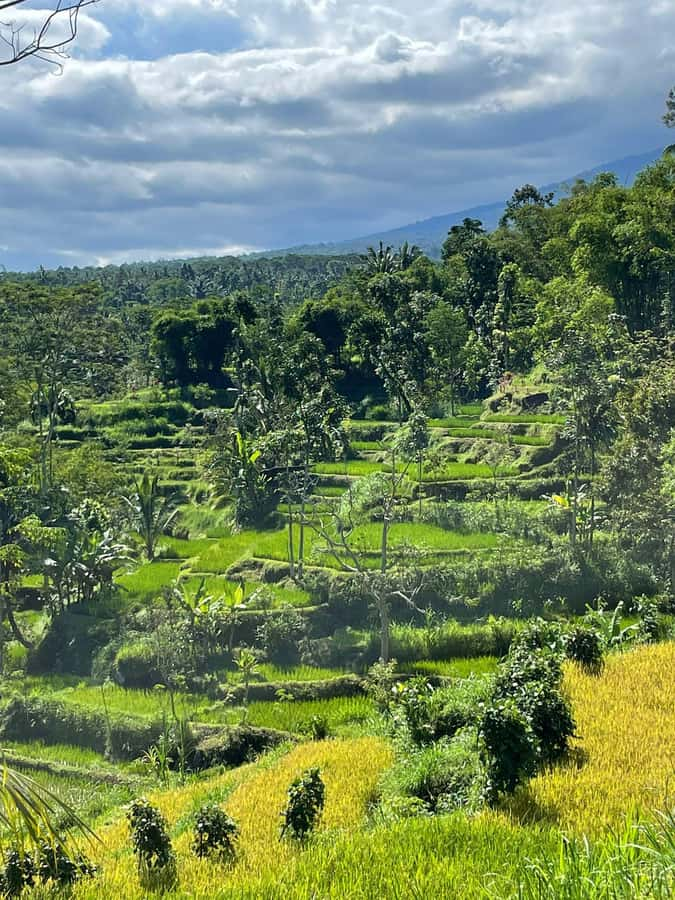
The final village stop focuses on bamboo handicrafts. Local artisans use simple bamboo to make tools, objects, and decorative work, and you may try the craft yourself.
This is a good finish because it brings you back from the forest and farms into village life. You are not only looking at a finished souvenir. You get to see the material, watch the technique, and handle the work under local direction.
Some visits have also included cotton weaving, pottery, or cassava-chip production when time allowed. These extra stops are not guaranteed, so do not book the tour solely for them. The bamboo workshop is the clearest craft element included in the experience.
If you enjoy buying local goods, this is a sensible place to spend money because you can understand how the item was made. There is no need to turn the stop into a shopping mission. The hands-on part is valuable even if you leave without a purchase.
Guides are the reason this tour works
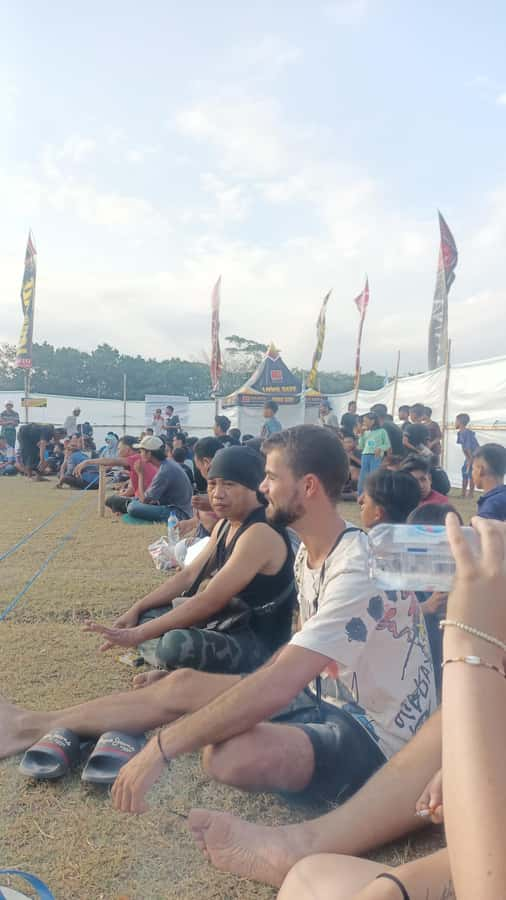
The strongest feature is the local guiding. Lan has helped guests with slippery waterfall paths, explained rice cultivation, found black monkeys, and arranged local food details. Anwar has shared information about herbs, farming, and village crafts, while Woody has mixed plant knowledge with rice-farming lessons. Andi has also provided smooth longer-distance driving for guests coming from Kuta.
The names matter because this is not an audio-only sightseeing product. The English-speaking guide is central to the day. You can ask about plants, farming, local words, food, crafts, and daily life as you walk.
The tour also includes an English audio guide, but the live guide is the more useful part. The audio option may help with basic information, yet it cannot adjust a route after rain or help you through a slippery stream.
Because this is a private group, you can ask for a slower pace or more time at a particular stop. One guest with limited time started early, while another added traditional crafts after the main route. Those examples show the main advantage of booking privately: the day can respond to you.
What the $21 price really covers
At $21 per person, this is strong value if you want a guide-led day rather than a simple transfer between attractions. The price includes the destination entry tickets, guiding, and seasonal fruit when it is available.
It does not include lunch, food, snacks, or drinks. Transport is also excluded from the base cost. Pickup and drop-off anywhere in Tetebatu are free, while pickup elsewhere in Lombok costs extra according to distance.
That price structure is easy to understand, but you should calculate the full cost before booking from outside Tetebatu. A long transfer from another part of Lombok may cost more than the activity itself.
The private format adds value for couples, families with older children, and small groups who want to control the pace. It is less useful if you only want a short waterfall visit or a quick monkey sighting. Six hours can feel long if walking is not your main interest.
The experience has a 4.9 rating from 55 reviews, and transport received a 97 percent perfect score. The repeated praise focuses on friendly guiding, route flexibility, plant and farming explanations, and careful help on wet paths. The one clear caution is that the description should explain the knee-deep water section more clearly.
Who should book this Tetebatu experience?
I would choose this tour if you want several sides of Tetebatu in one day. It suits you if you like walking, simple village food, plants, wildlife, rural scenery, and hands-on activities more than polished attractions.
It is a good fit for:
- Couples wanting a private and flexible day
- Small groups interested in local culture
- Visitors who enjoy moderate walking and swimming
- Anyone curious about rice farming, herbs, and village crafts
- People staying in Tetebatu who want free local pickup
It is less suitable for babies under one year, people who cannot manage uneven or slippery paths, and anyone wanting a dry, easy-access sightseeing route. The activity is not designed as a short, fully accessible excursion.
Plan around the weather. Heavy rain may change the route, and wet conditions can make the rice fields and waterfall paths harder. Pack modestly for village visits, wear shoes with grip, and keep your phone protected.
Free cancellation is available up to 24 hours before the activity, and you can reserve now and pay later. Starting times depend on availability, so confirm the start time when you book.
Should you book it?
Book it if you want Tetebatu to feel like a place where people live and work, not just a set of scenic stops. The best value comes from the combination of a private guide, farm and forest walking, a waterfall swim, black-monkey spotting, and village craft work.
Skip it if you dislike wet paths, steep sections, or unplanned changes. For everyone else, the $21 base price is fair, especially if you are already staying in Tetebatu and can use the free pickup. Bring water shoes, accept that wildlife sightings are never certain, and leave room in the day for the guide’s local knowledge to shape the route.
FAQ
How long does the Tetebatu tour last?
The activity is listed as lasting from 6 hours to 1 day. The main Tetebatu program is described as about 6.5 hours, depending on timing and route.
What is included in the price?
The price includes destination entry tickets, a guide, and seasonal fruit when it is available.
Is lunch included?
No. Food, lunch, snacks, and drinks are not included. You may stop at a local warung, but you pay separately.
Is transport included?
Pickup and drop-off within Tetebatu are free. Transport from elsewhere in Lombok is available for an additional charge based on distance.
Is the tour private?
Yes. The experience is offered for a private group.
What language does the guide speak?
The live tour guide speaks English, and an English audio guide is also included.
What should I bring?
Bring swimwear and water shoes. Water shoes are especially useful because part of the waterfall route may involve walking through water.
Can I see black monkeys?
The Monkey Forest is visited to look for the rare black-collared monkeys, but sightings are not guaranteed. Grey monkeys may also be seen.
Just added around Indonesia
- Ubud ATV Ride with Waterfall, Dragon Cave & Lunch – 2 Hours★ 5.0 · 5 reviews
- Monkey Forest, Ubud, Waterfall and Rice Terrace★ 4.5 · 53 reviews
- Bali ATV Ride with Waterfall Dragon Cave and Lunch by Penidago★ 4.5 · 7 reviews
- Bali: Tirta Gangga, Taman Ujung and Cepung Waterfall Trip★ 4.8 · 101 reviews
- Tetebatu : Walk on Rice Terrace, Waterfall and Black Mongky★ 5.0 · 7 reviews
- Tanah Lot-Nung Nung Waterfall-Jatiluwih and Bedugul★ 4.7 · 16 reviews
- Tetebatu : Waterfall, Rice Fields & Monkey Forest Full day★ 4.9 · 14 reviews
- Tetebatu: Rice Fields, Waterfall, & Monkey Forest Day Tour★ 4.9 · 170 reviews
Rice Terrace & Bali Waterfall Tours, compared.
Waterfalls, Water Temple & Rice Terraces Private Tour
Read our review →
Waterfall, Rice Terraces & Monkey Forest Private Tour
Read our review →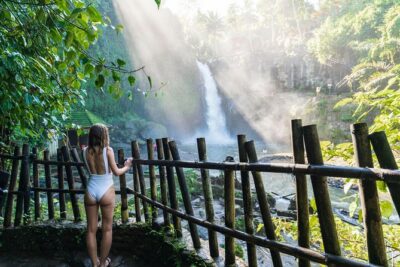
Best of Bali Waterfalls: Tibumana, Tukad Cepung and Tegenungan
Read our review →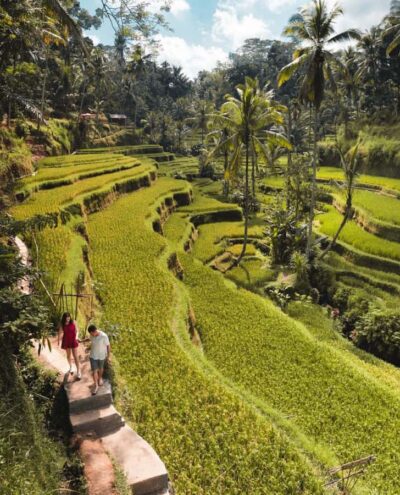
Full-Day Rice Terrace, Monkey Forest & Waterfall
Read our review →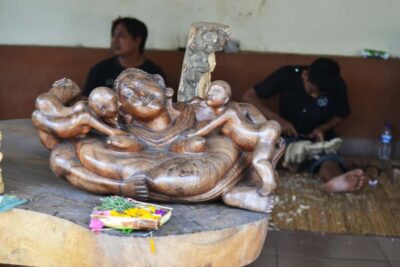
Private Scenic Waterfalls and Rice Terraces Tour
Read our review →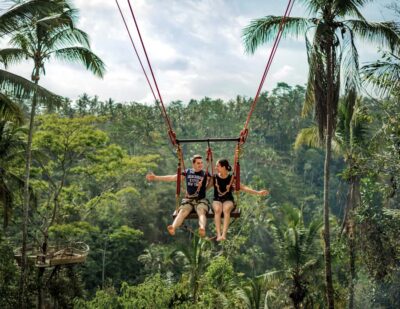
Swing with Falls, Rice Terrace, & Monkey Forest Option
Read our review →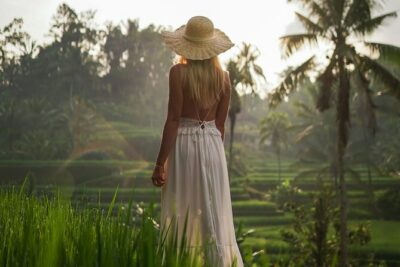
Ubud Tour with Monkey Forest Waterfalls Temples and More
Read our review →Browse the lists this tour appears in