
REVIEW · HONSHU, JAPAN
Get to know Minoo from Osaka. Katsuoji Temple, Ryuanji Waterfall and Ryuanji Temple
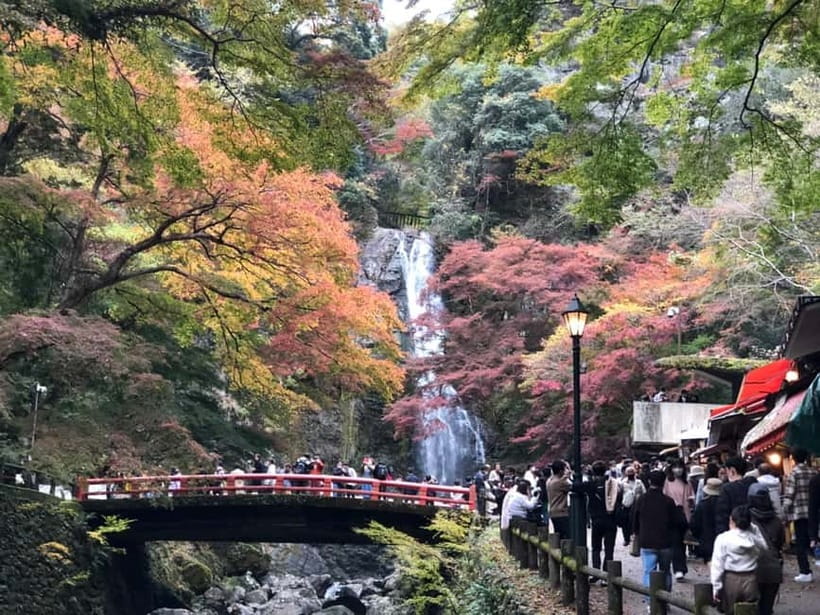
Trade neon for darumas and forest air. This six-hour outing takes you from central Osaka to Katsuoji Temple and Minoo Falls, pairing Japanese religious traditions with an easy escape into the hills. I like the small group size, limited to seven people, and I like that the route reaches places far removed from Osaka’s usual city sights.
The two strongest points are the unusual setting at Katsuoji Temple, where thousands of darumas fill the grounds, and the chance to walk through nature to Minoo Falls. The main thing to consider is transport: your fare is not included, and the route depends on buses and trains that do not run frequently. You need an ICOCA, Suica, PASMO, or another transport card, plus good timing.
The tour is conducted in Spanish, though guide Manuel has taken care to explain things in English when needed. One Italian participant also found the explanations easy to follow with some English help. That makes this a friendly option for Spanish speakers, and possibly for others who are comfortable with a flexible multilingual experience.
Five reasons this Minoo outing is worth your time
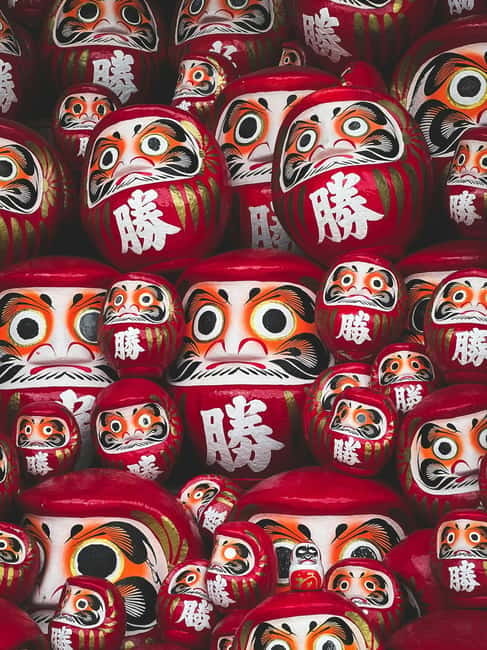
- Thousands of darumas at Katsuoji: The temple’s bright good-luck figures make this unlike a standard temple visit.
- A forest walk to Minoo Falls: The route trades Osaka’s buildings for a scenic path and the region’s best-known waterfall.
- Momiji tempura: You get the chance to try a local snack associated with Minoo.
- A small Spanish-speaking group: With no more than seven participants, questions and conversation are easier.
- A practical cultural introduction: The guide explains Japanese religion, temple customs, and the meaning of daruma figures during the visit.
Leaving HEP FIVE for the hills
The meeting point is at the main gate of HEP FIVE shopping mall in Osaka. The guide confirms the location with the group one day before the outing, which is useful because the mall is a large, busy landmark and the exact gate matters.
From there, you use the subway for about 20 minutes, followed by a bus ride of roughly 30 minutes. These connections are part of the experience, but they also shape the day. You are not stepping into a private vehicle and being delivered from one sight to the next. You are using the same public transport system that local people use to reach the Minoo area.
You should arrive early. The tour notes that buses and trains are limited, so a late start can affect the whole schedule. Bring a loaded transport card if you have one. An ICOCA, Suica, or PASMO is recommended, and the guide can help you obtain one if necessary. Since transport costs are not included in the $76 price, keep enough money on the card for the full route.
That extra planning is a small price for an outing that feels connected to ordinary Osaka life. Still, it is not a good fit if you prefer a fully private, door-to-door excursion.
A few more waterfall trips around Japan worth a look
- Nikko: Kegon Falls, Lake Chuzenji & Toshogu Temple
★ 4.6 · 1,577 reviews - Tokyo: Nikko Toshogu Shrine and Kegon Waterfall Tour
★ 4.5 · 1,266 reviews - Nikko, Kegon Waterfall & Chuzenji Lake from Tokyo
★ 5.0 · 1,240 reviews
Katsuoji Temple and its army of darumas
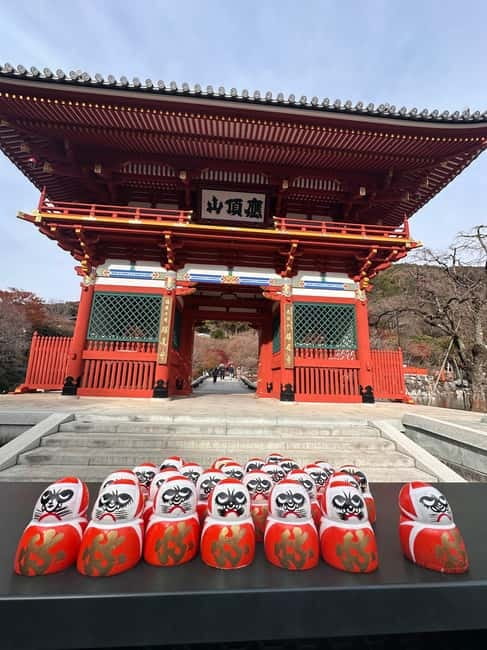
Katsuoji is the emotional center of the visit. It is known as the Temple of Victory, and its grounds are filled with daruma dolls. These round, determined-looking figures are linked with wishes, effort, and success. Their presence gives the temple a visual identity you will not confuse with another Osaka shrine or temple.
The tour allows about two hours and 15 minutes here, enough time to look beyond the first burst of color. You will stroll through the temple grounds and gardens, learning how darumas are used and why visitors connect them with personal goals. The point is not simply to photograph hundreds of red figures. The guide helps explain the custom so the objects have meaning rather than becoming decoration.
I especially like this part for first-time visitors to Japan. Religious sites can be difficult to read on your own. You may notice gates, statues, offerings, and rituals without knowing what they mean. A Spanish-speaking guide can give you the basic cultural frame while you are standing in the actual setting.
The temple is surrounded by mountains, and the quiet setting adds to the experience. You get a sense of how Japanese religious spaces often work with the natural world instead of shutting it out. Gardens, wooded slopes, and temple buildings share the same setting, giving the visit a calm rhythm.
Several people who joined the outing praised Manuel for explaining details patiently and answering questions about Japanese history and culture. He was also praised for taking photographs, a useful extra if you want more than hurried snapshots of yourself among the darumas. Another guide named Albert received similar praise for making the day easy and enjoyable.
The practical caution is weather. The grounds can be visited in rain, and one participant had a very rainy day but still enjoyed the outing. Comfortable shoes and clothes matter here. Bring water, and carry cash for small purchases or food.
The meaning behind the daruma tradition
The daruma figures are not just a colorful temple feature. They give the visit a personal angle. You can think about the goal or wish you want to connect with the figure, then see how the temple presents that tradition in a living religious setting.
The experience also includes a postcard-stamping activity. One participant appreciated being able to make a postcard for a friend who could not attend. This is a small detail, but it gives the temple visit a hands-on element and a simple souvenir that is more personal than a standard shop purchase.
You should not expect a long lecture or an academic seminar. The explanations are designed for a half-day visit, with time to look around, ask questions, take pictures, and move through the grounds. That balance works well if you want useful cultural context without spending the whole morning indoors listening.
Walking toward Minoo Falls
After Katsuoji, the route continues by public transport for about 20 minutes before the waterfall portion begins. The Minoo Falls visit lasts roughly two hours, including the guided walk through nature.
The route gives you a clear change of mood. Katsuoji is about symbols, gardens, and religious practice. The walk to the waterfall is slower and more physical. You leave the crowded center of Osaka behind and follow a scenic path through the wooded surroundings of Minoo.
The final waterfall is one of the area’s best-known natural sights. Its height and steady flow create a peaceful place to stop, take pictures, and rest. The experience is not built around a strenuous hike, but you should still wear comfortable shoes because the day includes a substantial walk and outdoor surfaces.
The supplied description also refers to Ryuanji Temple, historically linked with the Minoo waterfall, and the title mentions Ryuanji Waterfall and Ryuanji Temple. The practical schedule, however, specifically lists Katsuoji and Minoo Falls as the main guided stops. If visiting Ryuanji is essential to you, confirm the exact stop with Benzaitentours before booking, since the information provided does not give a separate duration or detailed itinerary for it.
That clarification is important. The outing clearly offers a temple-and-waterfall day, but the named religious sites should not be treated as interchangeable. Ask before departure if you want to know exactly how Ryuanji fits into the route.
Same trip, a different kind of day out:
- Osaka: Minoh, Katsuoji Temple, & Minoh Falls Full-day Tour
★ 4.9 · 172 reviews - From Osaka/Kyoto:Mount Koya, Wakayama & Nachi Waterfall Trip
★ 4.2 · 30 reviews - Osaka: Minoh Waterfall & Katsuo-ji Temple Half-Day Tour
★ 4.7 · 27 reviews - Tokyo: Nikko Day Tour Shrines, Lake Chūzenji & Kegon Falls
★ 4.9 · 26 reviews
Momiji tempura, a very local snack
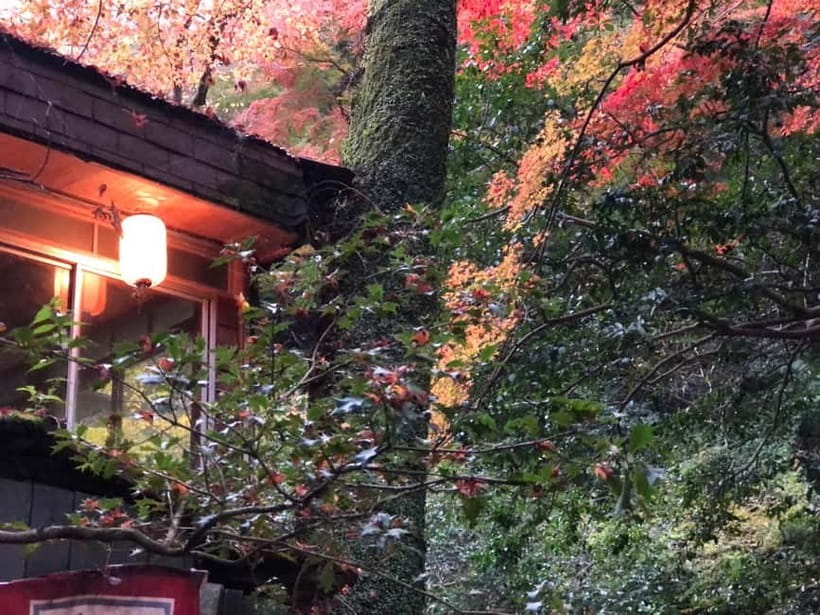
Along the way, you have the chance to taste momiji tempura, a local Minoo specialty. It is made with a maple leaf and is associated with the area, making it a memorable food stop rather than a generic snack bought anywhere in Osaka.
Lunch is not included, so plan to buy food separately or ask the guide for practical advice. The information provided does not promise a full meal, and the six-hour schedule means you should not assume there will be a long restaurant break.
I would carry cash even if you normally rely on cards. Cash is specifically recommended, and it is useful for snacks, small temple purchases, and transport if your card balance needs topping up.
What the $76 price really covers
At $76 per person, the value depends on what you want from a day trip. The entrance fee to Katsuoji Temple is included, along with the guide’s time, route planning, cultural explanations, and help navigating public transport. You are paying for access to a small, organized experience rather than simply buying admission to a single attraction.
Transportation during the tour and lunch are not included. That keeps the headline price lower, but it means the final cost will be higher than $76. You should budget for subway, bus, and return fares, plus any food or snacks.
The small group helps justify the price. With a maximum of seven people, the guide can answer questions, keep the group together, and help with photographs. This is especially useful at a temple, where a little explanation can change the visit from a photo stop into a meaningful cultural experience.
The value is strongest for someone who wants structure but not a large coach tour. If you are happy to navigate Osaka’s transport system alone and read about the temples in advance, you can spend less. If you want a Spanish-speaking guide, cultural interpretation, and a carefully timed route to two difficult-to-combine sights, the price is more reasonable.
The pace, group size, and language
Six hours is long enough to make the trip feel worthwhile without turning it into an exhausting full-day excursion. The day includes about 20 minutes on the subway at the start, 30 minutes by bus, two hours and 15 minutes at Katsuoji, another 20 minutes of public transport, two hours at Minoo Falls, and about 20 minutes on the subway back to HEP FIVE.
That schedule leaves limited room for delays. A slow bus connection, a late arrival, or a long food stop could affect the day. Follow the guide’s timing closely, especially around transport changes.
Spanish is the stated tour language. Manuel received strong praise for clear explanations, patience, cultural advice, and photography. He also suggested places to eat and visit elsewhere in Japan, which can be helpful if you want to turn the day into a source of ideas for the rest of your Osaka stay.
The group is small, but it is still a group. You will not have complete control over how long you spend at each daruma display or viewpoint. The tradeoff is a more social outing, with enough people to make conversation but not so many that the guide disappears into a crowd.
Who should book this experience
I would recommend this outing to you if you want:
- A break from central Osaka’s shops and high-rises
- A first introduction to Japanese temple customs
- A Spanish-speaking guide
- A small group rather than a large bus
- A mix of religious sites, forest walking, photography, and local food
- A day trip with clear structure and limited independent navigation
It is less suitable if you dislike public transportation, need a fully private vehicle, want a relaxed schedule with lots of free time, or are looking for a serious mountain hike. You should also think carefully about the language. Spanish is the official guide language, though some English support may be possible.
Rain does not automatically ruin the day. One participant enjoyed the experience despite very wet weather, but rain will make comfortable clothing and shoes even more important. Baby carriages and pets are not allowed, though assistance dogs are permitted.
Cancellation is flexible up to 24 hours before the activity for a full refund, and you can reserve now and pay later. Those policies are useful if your Osaka plans are still changing.
Should you book the Katsuoji and Minoo tour?
Book it if you want to see a quieter side of Osaka and prefer a guide to help you understand what you are seeing. The combination is the real strength: Katsuoji gives you unusual religious imagery and cultural explanation, while Minoo adds a forest walk, a waterfall, and momiji tempura.
Before booking, confirm the exact role of Ryuanji Temple in the route, since the detailed schedule centers on Katsuoji and Minoo Falls. Also budget separately for transport and lunch, load your transit card, and arrive on time at HEP FIVE.
For me, the most convincing reason to choose this experience is its focus. It does not try to cover half of Osaka in one rushed day. It gives you time with darumas, time in the woods, and a guide who can connect the two. If that sounds like the kind of break your Osaka itinerary needs, the $76 starting price is fair, provided you account for the extra transport and food costs.
FAQ
Where does the tour begin?
The meeting point is at the main gate of HEP FIVE shopping mall in Osaka. The guide contacts the group one day before the tour to confirm the exact meeting point.
How long does the experience last?
The tour lasts six hours and returns to HEP FIVE at the end of the day.
What language is the tour conducted in?
The live tour guide speaks Spanish. Some participants who did not speak Spanish fluently received additional help in English.
Is transportation included in the price?
No. Transportation during the tour is not included. You use the subway, bus, and other public transport, so bring an ICOCA, Suica, PASMO, or another suitable transport card.
Is the Katsuoji Temple entrance fee included?
Yes. The entrance fee to Katsuoji Temple is included in the tour price.
Is lunch included?
No. Lunch is not included. Bring cash and plan to purchase food separately.
What should I bring?
Bring comfortable shoes, comfortable clothes, water, and cash. A transport card is also recommended because it is required for the bus to Katsuoji.
Just added around Japan
- Tokyo: Nikko Day Tour Shrines, Lake Chūzenji & Kegon Falls★ 4.9 · 26 reviews
- Tokyo: Nikko Kegon Falls Lake Chuzenji Toshogu Temple & More★ 4.9 · 12 reviews
- Osaka: Minoh Waterfall & Katsuo-ji Temple Half-Day Tour★ 4.7 · 27 reviews
- Osaka: Mino Forest Walk and Giant Waterfall with Local Lunch★ 5.0 · 22 reviews
- Kobe: Guided Tour of Nunobiki Waterfalls and Herb Garden★ 5.0 · 11 reviews
- Itoshima Scenic Tour|Totoro Forest, Falls & Ocean View Spots★ 4.3 · 7 reviews
- From Tokyo: Nikko Customize private Tour With English Driver★ 4.9 · 11 reviews
- From Osaka/Kyoto:Mount Koya, Wakayama & Nachi Waterfall Trip★ 4.2 · 30 reviews
Japan Waterfall Tours, compared.
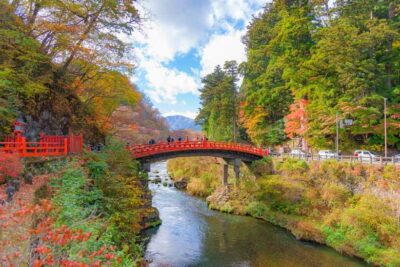
Tokyo: Nikko Toshogu Shrine and Kegon Waterfall Tour
Read our review →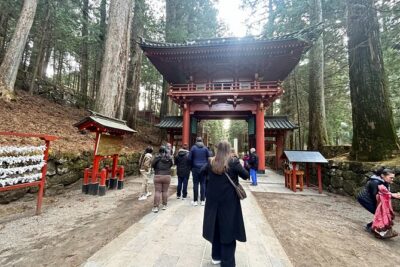
Nikko, Kegon Waterfall & Chuzenji Lake from Tokyo
Read our review →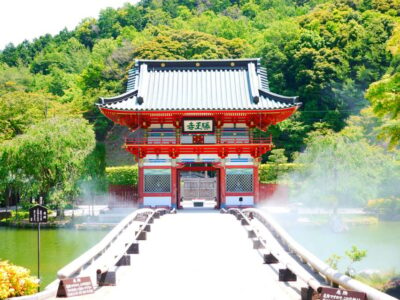
Osaka: Minoh, Katsuoji Temple, & Minoh Falls Full-day Tour
Read our review →
From Osaka/Kyoto:Mount Koya, Wakayama & Nachi Waterfall Trip
Read our review →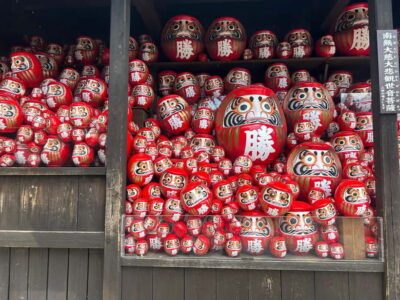
Osaka: Minoh Waterfall & Katsuo-ji Temple Half-Day Tour
Read our review →
Tokyo: Nikko Day Tour Shrines, Lake Chūzenji & Kegon Falls
Read our review →
Osaka: Mino Forest Walk and Giant Waterfall with Local Lunch
Read our review →Browse the lists this tour appears in