
REVIEW · HONSHU, JAPAN
Nikko: Kegon Falls, Lake Chuzenji & Toshogu Temple
Japan’s mountain escape is closer than you think. This full-day trip from Tokyo packs Nikko’s grandest shrine, its most famous waterfall, and a quiet alpine lake into one well-run outing. I especially like the mix of culture and scenery: Toshogu Shrine gives the day real historical weight, while Kegon Falls and Lake Chuzenji provide fresh air and wide mountain views.
I also like the care taken by the bilingual guides. Guides such as Melody, Jorge, Beru, Eric, and Francisco have been praised for clear instructions, cultural explanations, humor, and practical help. The main drawback is the long road time, around six hours in total, so you need to be comfortable spending much of the day on a coach.
Key details before you book
- The day begins and ends in Ginza: The meeting point is at Ginza Inz 2, with the exact arrangements depending on your booking option.
- Toshogu gets the most time: You have about 2 hours and 15 minutes at the shrine, including a guided visit.
- Kegon Falls is a quick but powerful stop: The waterfall visit, lunch, and free time share about 85 minutes.
- Lake Chuzenji is brief and scenic: You get about 40 minutes along the shore for photos and a quiet break.
- Winter changes the plan: In January and February, weather conditions replace Kegon Falls and Lake Chuzenji with panoramic views of Rinnoji Temple and Futarasan Shrine.
- The $89 price depends on the option: Shrine admission and lunch are not included in every booking type, so check the exact package before paying.
Why Nikko makes a good break from Tokyo
Tokyo can fill your senses quickly. Nikko gives you a very different day: cedar forests, mountain roads, sacred buildings, cold clear air, and water rushing through a rocky valley. The change begins during the 2.5-hour coach ride from Ginza, as dense city streets give way to greener surroundings.
That long transfer is both the strength and weakness of the trip. You avoid the work of arranging trains, buses, local transport, and shrine admission on your own. You also lose time that could otherwise be spent at the sites. I would not choose this excursion for a slow, independent Nikko visit, but it is a sensible way to reach several distant sights in one day.
The air-conditioned coach is especially useful on a long outing. Large windows were praised in one account, making the changing views easier to enjoy. Guides often use the drive to explain Japanese customs, language, religion, and daily life, which helps the hours pass more quickly.
A few more waterfall trips around Japan worth a look
- Tokyo: Nikko Toshogu Shrine and Kegon Waterfall Tour
★ 4.5 · 1,266 reviews - Nikko, Kegon Waterfall & Chuzenji Lake from Tokyo
★ 5.0 · 1,240 reviews - Osaka: Minoh, Katsuoji Temple, & Minoh Falls Full-day Tour
★ 4.9 · 172 reviews
The Ginza start and the road to Nikko
The day starts in the Ginza area, one of Tokyo’s easiest places to reach and a familiar point for many visitors. The exact meeting instructions can vary by option, so read your confirmation carefully and arrive ready for an early start.
The coach drive lasts about 2.5 hours before the first Nikko sights. Traffic can affect the timing, especially on weekends or during autumn color season. The order of the stops may also change because of road conditions, weather, local events, or crowd levels.
That flexibility can work in your favor. Francisco, for example, was praised for changing the order of the attractions to reduce unnecessary waiting. Other guides, including Jorge and Melody, have been praised for repeating meeting times and making it clear where to return after independent exploring.
Shinkyo Bridge: a scenic first glimpse
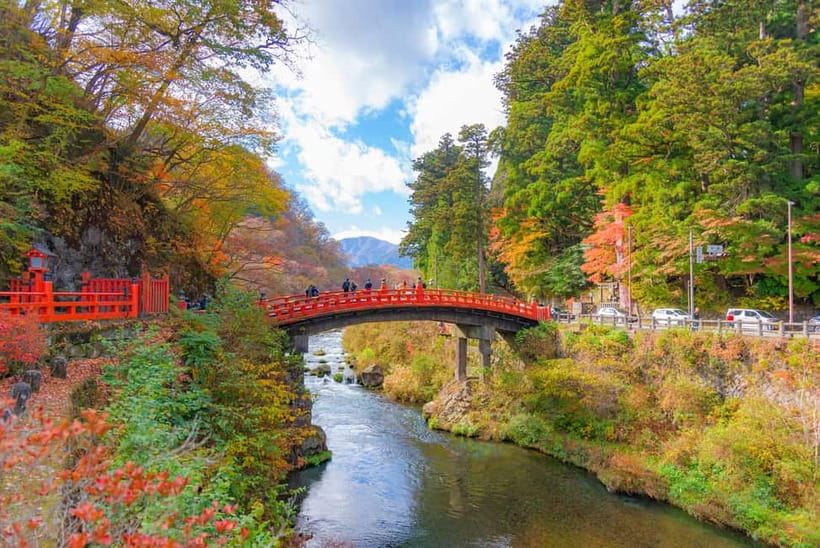
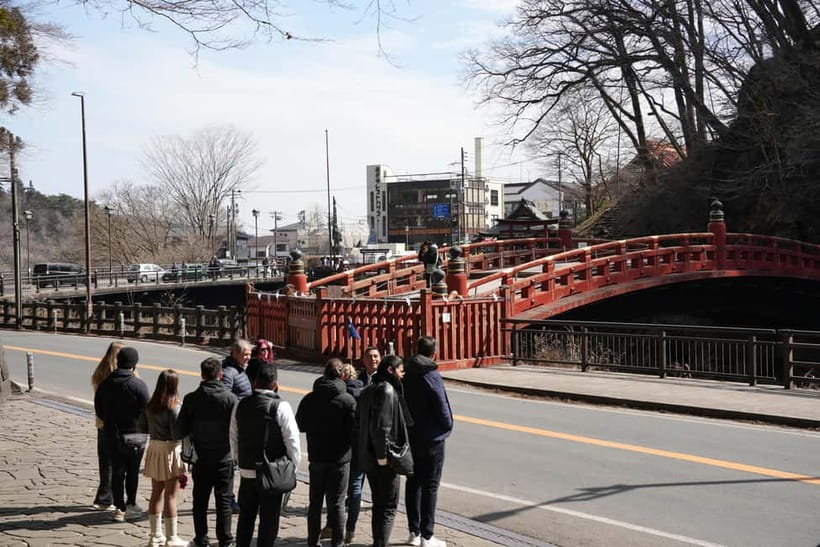
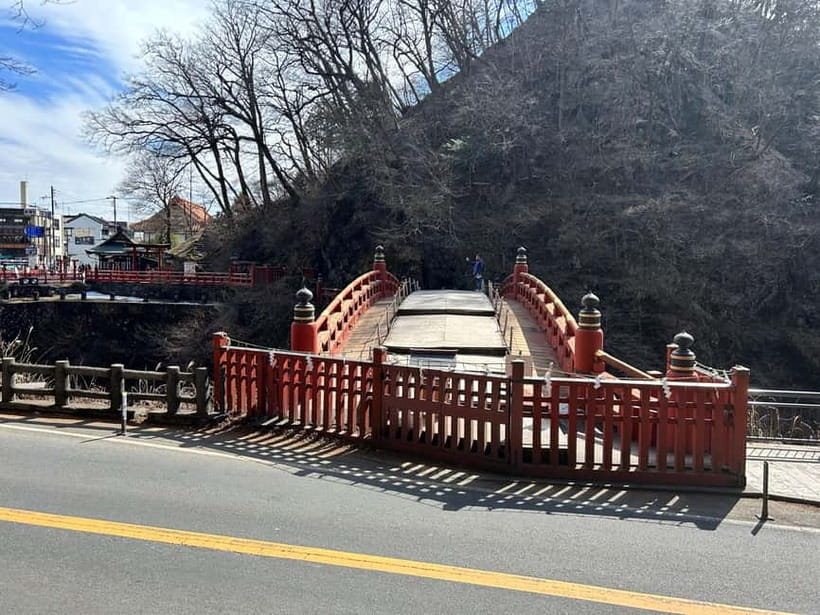
Your first Nikko sight is a panoramic view of Shinkyo Bridge from the coach. The red bridge crosses the Daiya River and marks the entrance to the religious district. It is one of those views that works well as a quick introduction: red paint, rushing water, forest, and mountain air all appear together.
Do not expect a long bridge visit or a dedicated walk here. The schedule describes this as a scenic drive, so your view may be brief and dependent on traffic and the coach position. Still, it gives you a useful sense of place before the much longer visit to Toshogu.
Have your camera ready, but do not let this quick glimpse distract you from the main stop ahead. The cedar-lined shrine area deserves your full attention.
Toshogu Shrine and the world of the Tokugawa shoguns
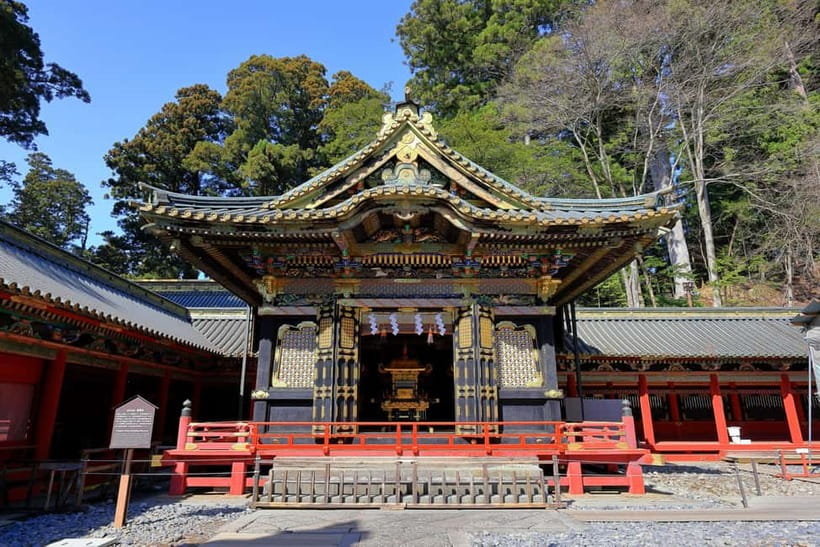
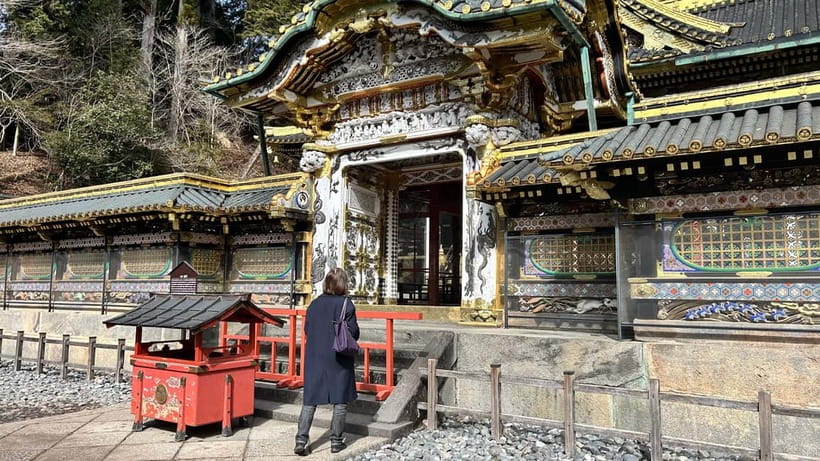
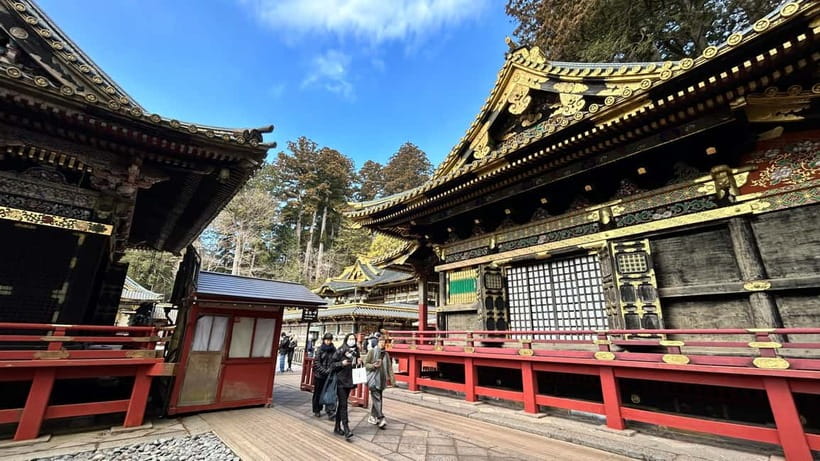
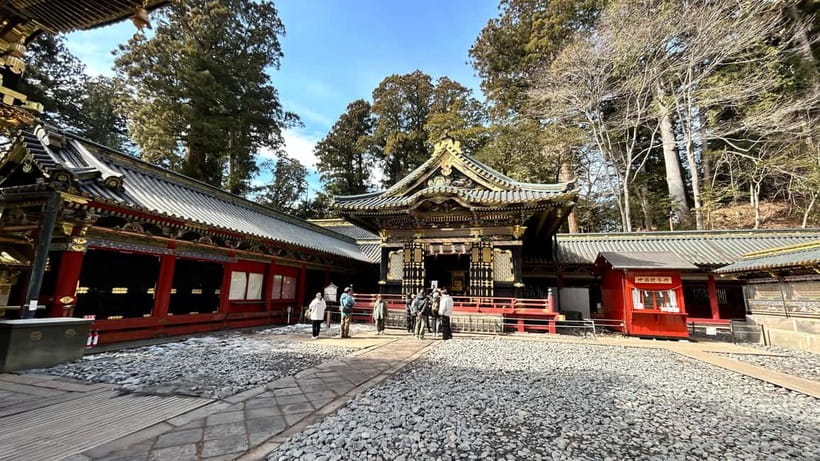
Toshogu is the cultural center of the day. Set among tall cedar trees, the shrine is famous for its ornate gates, gold details, colorful carvings, and connection to Tokugawa Ieyasu, the founder of the shogunate that ruled Japan for centuries.
You have about 2 hours and 15 minutes here, which is enough time to see the principal buildings without racing through the grounds. The guide explains the symbols and stories carved into the gates and structures, including the famous three wise monkeys. This context matters because the decoration can otherwise look like a blur of elaborate details.
I would choose the ticket-inclusive option if you want the full Toshogu experience. That ticket gives you access to the decorated gates and sacred buildings. Several people who chose it felt the interior areas were worth seeing, and one specifically recommended buying the shrine ticket because the site tells a story through its carvings and symbols.
The ticket is not automatically included in every package. One visitor felt the extra charge was high and said it could be cheaper to buy admission separately online. That is the main price point to check before booking. Compare the added cost with the convenience of having the guide arrange access and explain what you are seeing.
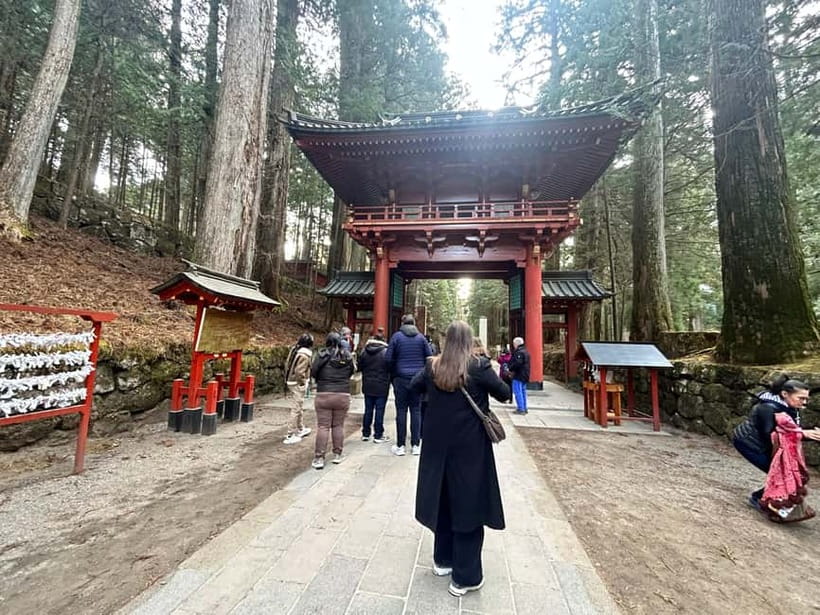
The grounds also involve steps and walking. One account mentions a walk of about 200 steps to the burial site. You are surrounded by trees there, and the setting becomes quieter and more reflective as you move away from the busiest buildings.
The guides receive some of the strongest praise at this stop. Melody has been singled out for explaining the meaning behind the symbols. Beru and Jorge have been praised for combining history with basic Japanese phrases and cultural advice. Francisco was especially good at giving exact locations and time estimates for the various temple sights, which helps you plan your free time.
Same trip, a different kind of day out:
- From Osaka/Kyoto:Mount Koya, Wakayama & Nachi Waterfall Trip
★ 4.2 · 30 reviews - Osaka: Minoh Waterfall & Katsuo-ji Temple Half-Day Tour
★ 4.7 · 27 reviews - Tokyo: Nikko Day Tour Shrines, Lake Chūzenji & Kegon Falls
★ 4.9 · 26 reviews - Osaka: Mino Forest Walk and Giant Waterfall with Local Lunch
★ 5.0 · 22 reviews
Lunch near Kegon Falls
After Toshogu, the coach heads toward Kegon Falls, a drive of about 30 minutes. The schedule allows 85 minutes for lunch, the waterfall, and free time, so this is not a long restaurant experience.
Lunch is included only with the premium option. If you choose that package, you get a Japanese meal at a local restaurant. If you choose a lower-priced option, plan to buy your own food. The guides can help with ordering, and Jorge was praised for assisting people with ticket machines and checking that they received the meals they selected.
Bring some physical cash. One person noted that cash was useful for local food and purchases, and a planned stop on the way to the temple may allow you to withdraw money and get breakfast. Since the exact food arrangements depend on your option, do not assume that every meal or snack is covered by the $89 price.
The time limit means you should not linger over lunch. I would see the waterfall first if the timing allows, then eat, or ask the guide for the best order when you arrive.
Kegon Falls: Nikko’s big natural show
Kegon Falls drops almost 100 meters from Lake Chuzenji into the valley below. From the observation deck, you can see the water plunging through steep rock, with seasonal colors around it. Autumn gives the area red and gold foliage, while other seasons create a different mood.
The observation deck makes the waterfall easy to see without a long hike. You get a strong view quickly, which is useful on a tightly scheduled day. The drawback is that the stop is short, and mist or poor weather can reduce visibility.
The falls were one of the most consistently praised sights. Descriptions range from beautiful to breathtaking, but the practical point is simple: keep your camera ready and allow time to look beyond the first photo. The sound, height, and rocky setting make this more than a quick roadside viewpoint.
The mountain setting can also feel cooler than Tokyo. Wear comfortable shoes and bring water, a hat, sunscreen, and a light extra layer if you are sensitive to changing temperatures.
Lake Chuzenji and Mount Nantai views
A 10-minute coach ride takes you to Lake Chuzenji, where you have about 40 minutes of free time. The lake sits at the base of Mount Nantai and was formed by volcanic activity. Its forested slopes, open water, and misty views give you a calmer contrast to the crowded detail of Toshogu.
This is a short stop, but it has a useful purpose. After the ornate shrine and dramatic waterfall, you can slow down, walk along the shore, and take photos without needing a long explanation. The scenery is the attraction.
Do not expect a boat ride or an extended lakeside walk. Those activities are not part of the stated schedule. Treat this as a scenic pause and photo stop.
Weather is important here. In January and February, the visit to both Lake Chuzenji and Kegon Falls is replaced by panoramic views of Rinnoji Temple and Futarasan Shrine. If the lake and waterfall are your main reasons for booking, check the expected seasonal plan before committing to a winter date.
The return to Tokyo and the real cost of time
The return coach ride takes about 3 hours and 10 minutes. Add the outward journey and local transfers, and roughly six hours of the 11-hour day may be spent riding.
That sounds like a lot because it is. Still, the coach removes the stress of changing trains and finding mountain buses. It also lets the guide continue explaining Japanese culture on the way back. Melody, Jorge, and Beru have all been praised for keeping the ride lively with stories, jokes, language lessons, and practical information.
The drivers also matter on this route. Mountain roads can be narrow and winding, and people specifically praised drivers including Hashimoto-san, Tanaka-san, Ejima-san, Kikuchi-san, and Sakamoto-san for smooth, careful driving. You may have a different driver, but the repeated praise for safe transport is reassuring.
Arrive back in Tokyo with no need to navigate the final connection yourself. Drop-off is again in the Ginza Inz 2 area, though the exact arrangement depends on the option booked.
Is $89 good value?
At $89 per person, the tour offers good value if you want transportation, a guide, and a broad sample of Nikko in one day. The price is less attractive if your chosen package excludes both Toshogu admission and lunch, since those costs are then added separately.
The strongest value comes from convenience. You reach three widely separated sights, get bilingual guidance in English or Spanish, and avoid arranging the mountain transport yourself. The guide’s help with directions, meal machines, cultural etiquette, and timing adds practical value that is hard to measure on a receipt.
The weaker value is time at each place. You cannot linger at the lake, spend a relaxed afternoon in the shrine district, or choose a restaurant at your own pace. If you already know Nikko well or prefer independent travel, public transportation and a separate shrine visit may suit you better.
Free cancellation up to 24 hours before departure and the reserve-now, pay-later option make the booking easier to fit around changing Tokyo plans. The tour is not suitable for wheelchair users, and anyone with mobility concerns should consider the shrine steps and uneven walking areas before booking.
Who should take this Nikko tour?
I would recommend it to first-time visitors who have one spare day in Tokyo and want both major cultural and natural sights. It also works well for solo visitors, couples, and families who prefer a clear schedule and a guide who can explain what they are seeing.
It suits you especially well if:
- You want Toshogu explained rather than simply photographed.
- You do not want to manage several train and bus connections.
- You enjoy mountain scenery but have limited time in Japan.
- You appreciate bilingual guidance in English or Spanish.
- You are happy with a full day and several hours on a coach.
I would hesitate if you want a slow morning, a long hike, a full lakeside afternoon, or complete control over lunch and departure times. Autumn is particularly appealing for forest color, while winter requires extra caution because the waterfall and lake may be removed from the plan.
Final verdict: book it for breadth, not leisure
This is a strong one-day introduction to Nikko. Toshogu Shrine is the main reason to choose the ticket-inclusive option, while Kegon Falls supplies the visual drama and Lake Chuzenji gives the day a quiet finish.
Book it if you value safe transport, clear timing, and a guide who can connect Japanese history with everyday customs. Skip it if the long coach rides bother you or if you want to explore Nikko slowly. For most first-time visitors with only one free day, the $89 price is reasonable, provided you check what your selected option includes and understand the winter substitution.
FAQ
How long is the Nikko tour?
The tour lasts about 11 hours, including transportation between Tokyo, Nikko, and the mountain sights.
Where does the tour start?
The listed starting area is Ginza Inz 2. The exact meeting point may vary according to the option you book.
Where does the tour end?
The listed drop-off area is also Ginza Inz 2, with the final arrangement depending on your booking option.
Is Toshogu Shrine admission included?
Toshogu Shrine admission is included only if you select the ticket-inclusive option. Check the package details before booking.
Is lunch included?
Lunch is included only with the premium option. Other options may require you to buy your own meal.
What languages does the guide speak?
Live guidance is available in English and Spanish.
How much time is spent at Toshogu Shrine?
The scheduled visit lasts about 2 hours and 15 minutes, including the guided tour and time to explore.
How long is the visit to Kegon Falls?
The Kegon Falls stop shares about 85 minutes with lunch and free time.
What happens to Kegon Falls and Lake Chuzenji in January and February?
Because of weather conditions, those visits are replaced with panoramic views of Rinnoji Temple and Futarasan Shrine.
Is the tour suitable for wheelchair users?
No. The activity is listed as unsuitable for wheelchair users. Comfortable shoes are recommended for the walking portions.
Just added around Japan
- Tokyo: Nikko Day Tour Shrines, Lake Chūzenji & Kegon Falls★ 4.9 · 26 reviews
- Tokyo: Nikko Kegon Falls Lake Chuzenji Toshogu Temple & More★ 4.9 · 12 reviews
- Osaka: Minoh Waterfall & Katsuo-ji Temple Half-Day Tour★ 4.7 · 27 reviews
- Osaka: Mino Forest Walk and Giant Waterfall with Local Lunch★ 5.0 · 22 reviews
- Kobe: Guided Tour of Nunobiki Waterfalls and Herb Garden★ 5.0 · 11 reviews
- Itoshima Scenic Tour|Totoro Forest, Falls & Ocean View Spots★ 4.3 · 7 reviews
- Get to know Minoo from Osaka. Katsuoji Temple, Ryuanji Waterfall and Ryuanji Temple★ 5.0 · 16 reviews
- From Tokyo: Nikko Customize private Tour With English Driver★ 4.9 · 11 reviews
Japan Waterfall Tours, compared.
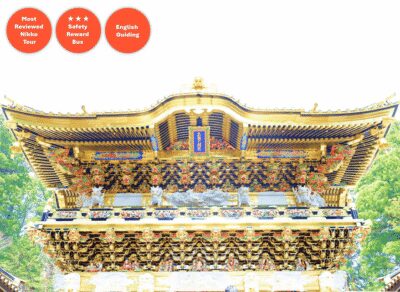
Tokyo: Nikko Toshogu Shrine and Kegon Waterfall Tour
Read our review →
Nikko, Kegon Waterfall & Chuzenji Lake from Tokyo
Read our review →
Osaka: Minoh, Katsuoji Temple, & Minoh Falls Full-day Tour
Read our review →
From Osaka/Kyoto:Mount Koya, Wakayama & Nachi Waterfall Trip
Read our review →
Osaka: Minoh Waterfall & Katsuo-ji Temple Half-Day Tour
Read our review →
Tokyo: Nikko Day Tour Shrines, Lake Chūzenji & Kegon Falls
Read our review →
Osaka: Mino Forest Walk and Giant Waterfall with Local Lunch
Read our review →
Get to know Minoo from Osaka. Katsuoji Temple, Ryuanji Waterfall and Ryuanji Temple
Read our review →Browse the lists this tour appears in