
REVIEW · DHOFAR, OMAN
Salalah: Wadi Darbat, Jabal Samhan, Baobab, Mirbat Sand Dune
Salalah’s wild side begins beyond the city. This East Salalah trip packs wadis, coastal cliffs, old forts, sinkholes, mountain viewpoints, giant baobabs, and desert sand into one busy day. I especially like the mix of natural scenery and Omani culture, plus the easy hotel pickup from Salalah or Hawana Salalah. The main caution is seasonal: Wadi Darbat’s waterfalls may be weak or dry outside the khareef monsoon, and the full route can feel rushed if you want long walks at every stop.
The guides are a major part of the experience. Adel, Mohammed Ali, Salim, Tariq, Abdallah, and others have earned praise for local stories, flexible photo stops, and helping solo visitors feel at ease. I also like that the tour uses a Jeep or SUV, which makes the long circuit more comfortable than trying to connect these scattered places yourself.
This is not a quiet nature outing. It is a broad sampler, with driving between many stops and optional costs for the castle, heritage house, boat, kayak, and lunch. If you have only a day or two in Salalah, though, the range of scenery gives you an unusually quick sense of Dhofar.
Key things to know before booking
- Wadi Darbat changes with the season: During khareef, mist, grass, and flowing water can transform the valley. In dry months, expect the famous setting, animals, and canal, but possibly little or no waterfall.
- Jabal Samhan is the visual high point: The mountain viewpoint reaches about 4,000 feet, with cliffs dropping toward the coast and clouds sometimes rolling below you.
- The route combines culture and nature: Taqa Castle and the 150-year-old Koofan Heritage House add local context before the tour heads into wadis and mountains.
- Several activities cost extra: Boat or kayak rides at Wadi Darbat and entry to Taqa Castle, Taqah Fort, and Koofan House are not included.
- The full-day version covers far more: The sinkhole, Jabal Samhan, baobab trees, Gravity Hill, and Mirbat dunes are listed for the full-day route, not the shorter option.
- Come prepared for a long outdoor day: Wear covered, comfortable clothing, bring water and cash, and eat breakfast before pickup.
Why this East Salalah route works
At $76 per person, this tour is priced as a practical sightseeing day rather than a luxury private excursion. The value comes from the distance covered and the number of separate places you can reach without arranging a rental car, driver, fuel, and navigation.
You also get hotel pickup and drop-off, bottled water, and a live guide in English, Polish, Italian, German, or Arabic. Pickup is available from hotels and apartments in Salalah and Hawana Salalah, as well as Salalah airport and port. If you stay in Mirbat or Hinu Bay, an extra OMR 10 per group applies.
The vehicle matters here. East Salalah’s sights are spread across coast, wadi, mountain, and desert roads, so a Jeep or SUV makes the day easier. The route can last four to eight hours, depending on the version and timing. The full-day plan is the better choice if you want the mountain, baobabs, and dunes rather than only the nearer sights.
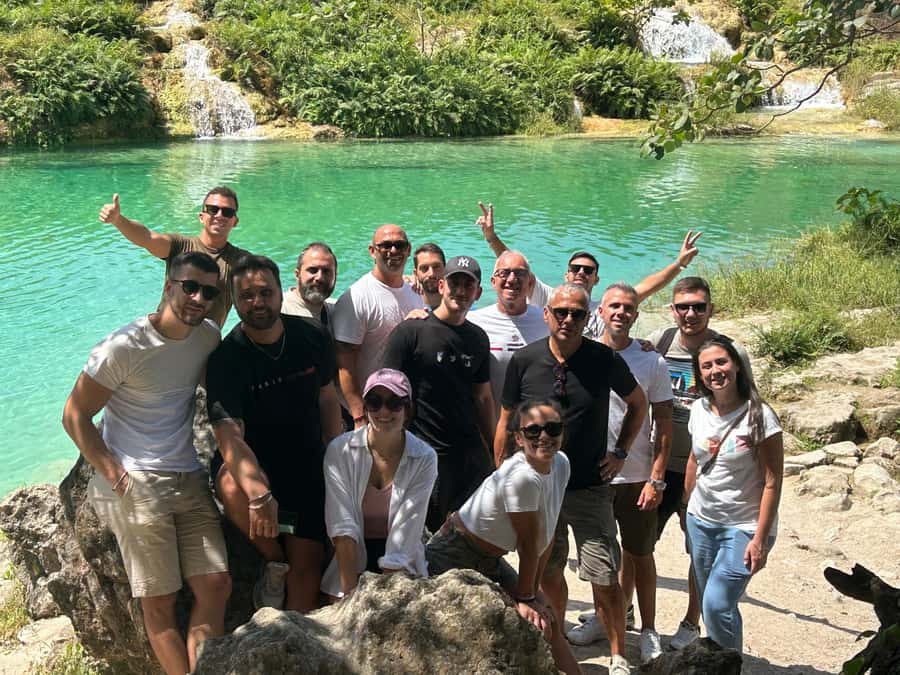
Group size can affect the feel of the day. A small group of six, as one guest experienced, allows for easy conversation and flexible photo stops. There can also be separate language groups sharing transport, so clarify at the start who your guide is. One guest found this arrangement confusing when another guide tried to hurry the group along.
Other waterfall trips people book around the world:
- From Marrakech: Ouzoud Waterfalls Guided Hike and Boat Trip
★ 4.7 · 33,630 reviews - Marrakech: Atlas Mountains, Ourika Valley, Waterfall & Lunch
★ 4.8 · 15,834 reviews - Reykjavík: South Coast Waterfalls, Black Sand & Glacier Tour
★ 4.8 · 11,030 reviews
Taqa Castle and the old coastal town
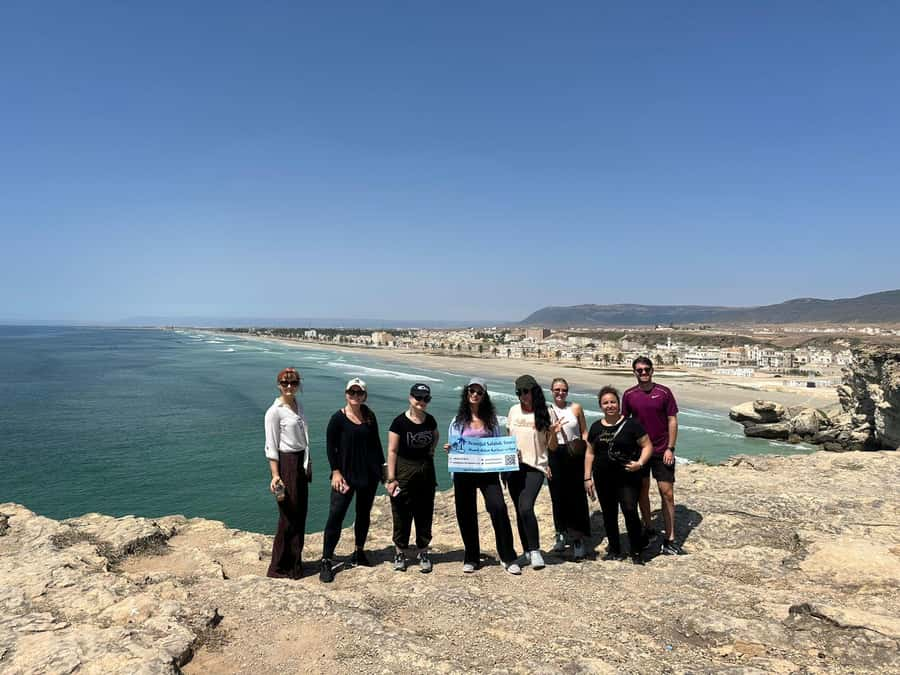
The day begins around Taqa, a traditional fishing town east of Salalah. The coast gives you a quick introduction to the area: local fishing activity, sea views, birdlife, and a cliff-top look back toward the town.
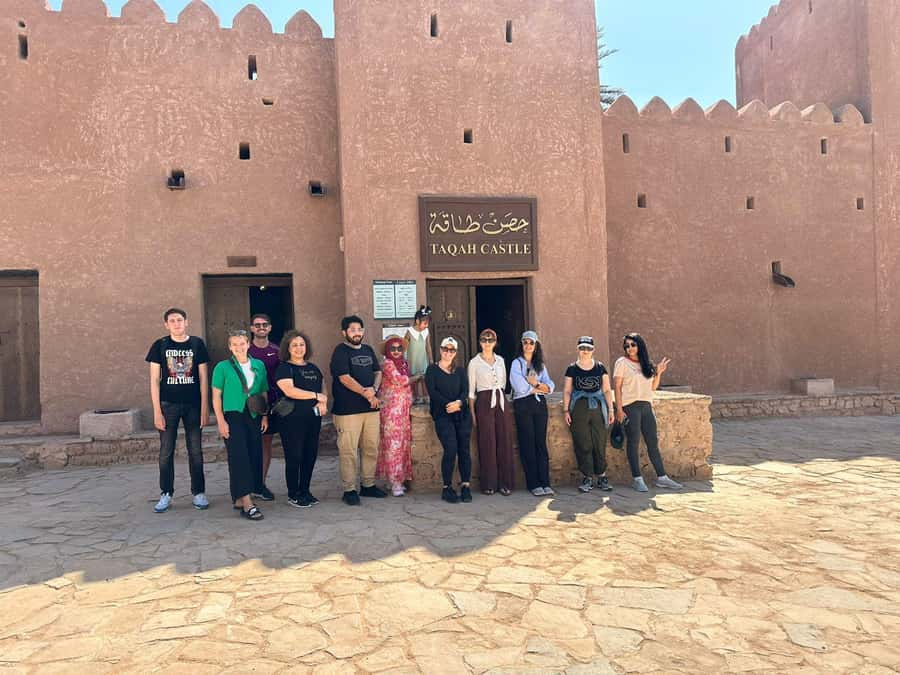
Taqa Castle is the main cultural stop. The 19th-century fort helps explain how local authority and family life once worked in Dhofar. You can pay to enter, or simply view it from outside if you prefer to save time and money.
The optional Koofan Heritage House offers something different. Rather than a defensive building, it gives you a look at a roughly 150-year-old Dhofari home. This is worthwhile if you care about ordinary domestic life, not just forts and photo points.
Burj Al Askar, also called Taqah Fort, sits on a cliff with broad views toward the castle and turquoise water. The word fort can make it sound like another museum stop, but its best feature is the position. If you want the clearest view of Taqa from above, this is likely the more useful stop.
You should not assume every historic site entry is included. Taqa Castle, Taqah Fort, and Koofan House require optional tickets. Ask your guide which sites are open and which one best fits your interests before paying for all three.
Wadi Darbat, camels, and seasonal water
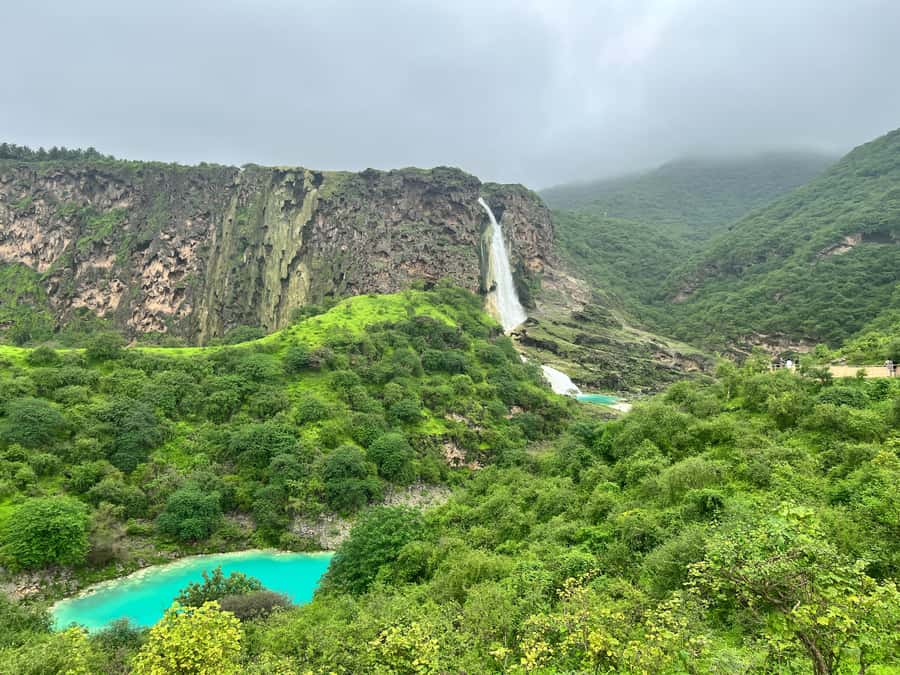
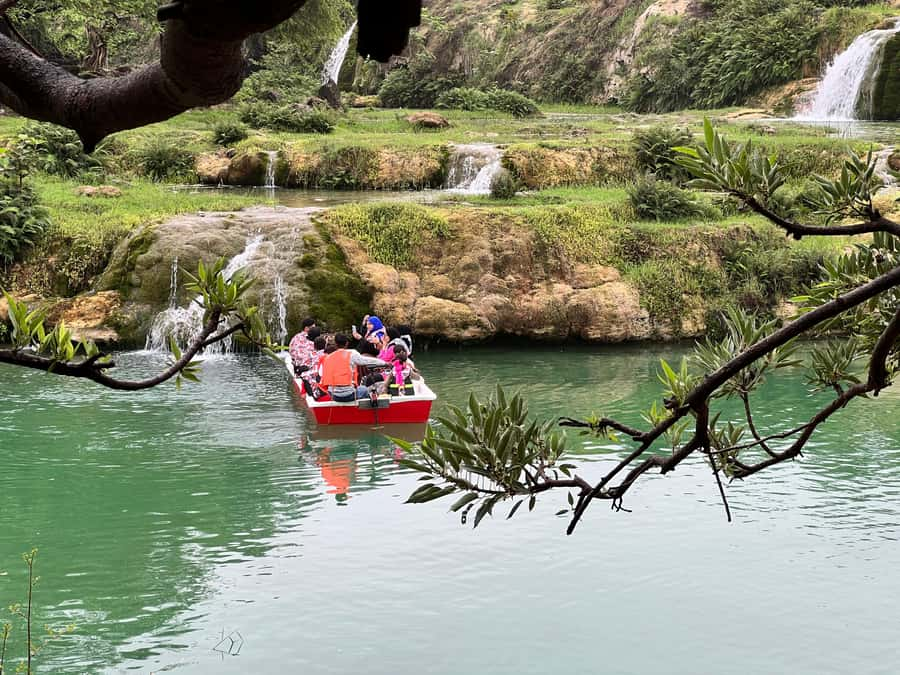
Wadi Darbat is the emotional center of the tour for many people. It is one of Dhofar’s best-known valleys, with a broad setting, mountain surroundings, animals, and a canal where you can take an optional boat or kayak ride.
The valley is famous for waterfalls and green growth during the khareef season. That timing matters. In July and August, and sometimes into the wider monsoon period, Salalah can look almost like another country, with mist and plant growth covering the hills. Outside that season, the waterfalls may be faint or absent. A December visit, for example, may offer a pleasant valley but no dramatic falling water.
Do not judge Wadi Darbat only by the waterfall. Camels, horses, and cows may be seen around the water, and several people have singled out the animal encounters as a highlight. The canal boat ride lasts about 30 minutes in the planned route, but it is optional and paid separately.
Bring cash and allow patience here. One guest became delayed on the boat, while another wanted time for tea and food after finishing an activity. If your group has different interests, agree on a meeting point and return time before splitting up.
The wadi is also one of the more approachable parts of the day, though this is not a fully accessible tour. The experience is unsuitable for people with mobility impairments, and some stops involve walking on uneven ground. Comfortable shoes are a basic requirement, while hiking shoes make more sense if you plan to take a short walk.
Tawi Attair, the Birds Well sinkhole
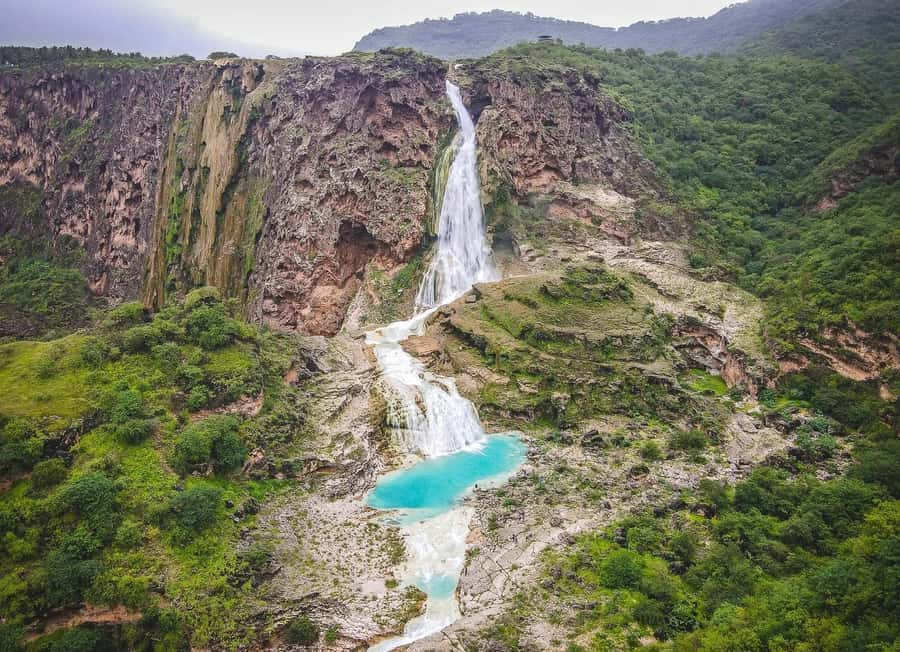
The full-day route continues toward Tawi Attair, known as the Birds Well. This massive sinkhole is one of the most unusual geological sights in the region.
The planned stop is about 30 minutes. That gives you time to look into the opening, take photographs, and hear about the place from your guide, but it is not a long descent or extended hike. One useful seasonal point came up from a January visit: some people may wish for the option to walk farther into the sinkhole or swim elsewhere, but those activities are not part of the standard plan.
This stop works best if you enjoy scale and geology. You are not coming for a polished visitor attraction with extensive facilities. You are coming to see a huge natural opening and understand how different Dhofar can feel from the coast below.
Same trip, a different kind of day out:
- From Marrakech: Ouzoud Waterfalls Guided Trip with Boat Ride
★ 4.9 · 10,915 reviews - Split: Krka Waterfalls Trip with Boat Cruise and Swimming
★ 4.8 · 10,519 reviews - Marrakesh: Ourika Waterfalls, Atlas Mountains, Guide + Lunch
★ 4.9 · 9,986 reviews - From Marrakech: Ouzoud Waterfalls Guided Tour & Boat Ride
★ 4.6 · 9,802 reviews
Jabal Samhan, where the clouds meet the cliffs
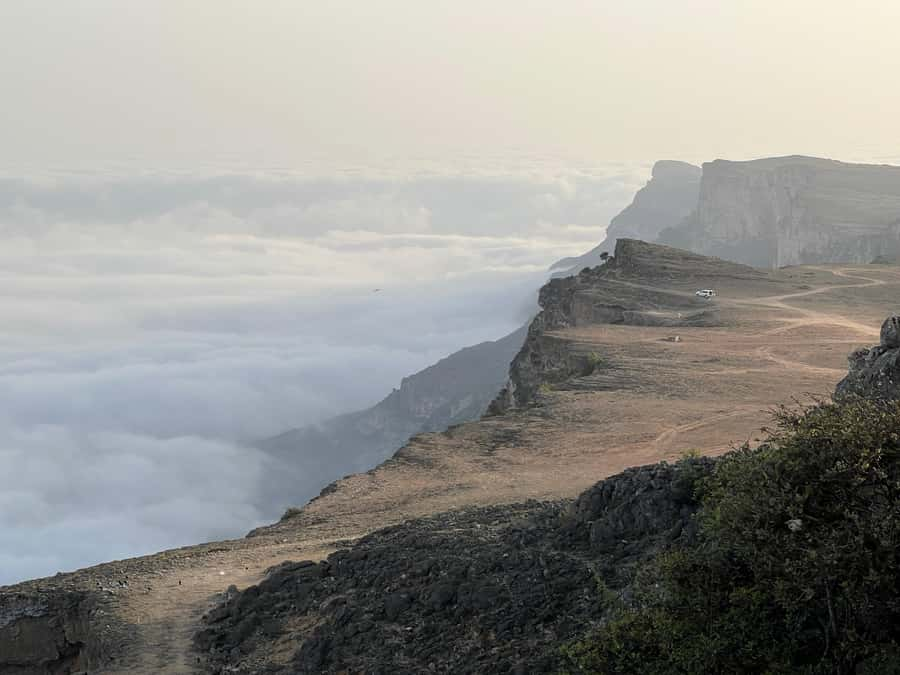
Jabal Samhan is the dramatic peak of the full-day route. At roughly 4,000 feet, the viewpoint gives you a strong sense of the height of the Dhofar mountains and the steep drop toward the lower country.
The phrase above the clouds is not just marketing. In misty conditions, cloud can gather along the cliffs and hide the view. That can be magical, but it can also mean you see very little. In July, one guide safely changed plans when heavy mist made the mountain inaccessible and filled the time with other stops.
That flexibility is important. Mountain weather can change the day. Ask your guide about visibility and road conditions rather than insisting on a viewpoint that has disappeared into fog.
When the air is clear, Jabal Samhan is one of the strongest photo stops in the region. The cliffs, distant coast, and open height make it feel far removed from Salalah’s hotels. Stay well back from edges and listen to local instructions. This is a place for looking, not testing your balance for a photograph.
Baobabs, Gravity Hill, and the Mirbat dunes
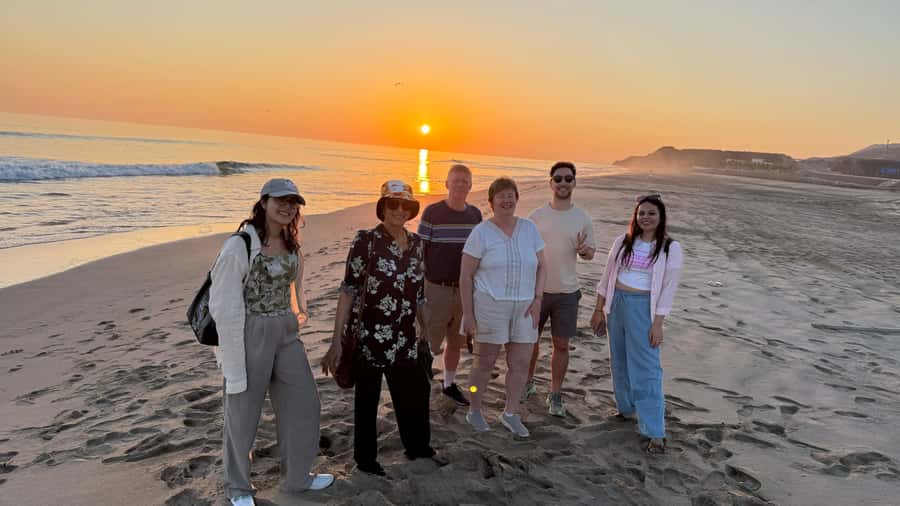
The baobab trees at Wadi Hinna give the tour its most unusual botanical stop. These old trees have thick trunks and broad, sculptural shapes, and they look striking against the dry hills. The scheduled visit is short, about 15 minutes, so use your time for photographs and a quick look around.
The trees are especially rewarding because they break up the usual expectations of Oman. You move from sea and mountain scenery to a tree form more often linked with Africa. It is a small stop, but a memorable one.
Next comes Gravity Hill, where a vehicle appears to roll uphill while in neutral. The effect is a simple optical or geological oddity, but it is fun and gives the long drive a playful pause. The route includes about 30 minutes of scenic driving around this section, so you are not stopping every few minutes.
The last major stop is the Ad Damar sand dunes near Mirbat. Here, golden sand meets mountain views and the coastline. The dunes are not a substitute for a full desert camp, but they provide a strong final contrast after the wadi and high mountain.
The Mirbat stop is brief, around 20 minutes. That is enough for views and photographs, but not for a long dune walk. If you want extended time in the sand, ask before booking if a private arrangement is possible. The standard trip is designed to show you the place, not settle in for an afternoon.
Guides, pacing, and the human side

The strongest pattern in the feedback is guide service. Adel is praised for clear English, stories, patience, and taking excellent photographs for solo visitors. Mohammed Ali is repeatedly described as warm, funny, flexible, and deeply familiar with local culture. Salim received special praise for explaining each stop and changing plans safely in poor mountain visibility.
Other guides, including Tariq, Abdallah, Majid, M. Ibrahim, M. Suwilam, and Abo Salim, have also been singled out for friendliness, useful information, or careful driving. That consistency matters because the scenery alone does not explain itself. A good guide connects the old houses, fishing villages, wadis, religion, and geography.
The pace is generally active but not frantic. Several people found there was enough time for photographs and short exploration. Still, the full route contains many stops, and optional activities can create delays. Tell your guide early if you need a proper lunch break, extra walking time, or fewer photo stops.
Food is not included. You can bring lunch and snacks, and the group may stop to eat at Wadi Darbat or Samhan, but there is no dependable restaurant built into the natural-site route. Eat breakfast before pickup. Bottled water is supplied, but bring extra water if you know you drink often in heat.
What to wear and what to pack
Oman’s modest dress code applies throughout the day. Cover your knees and shoulders, and avoid shorts, mini-skirts, sleeveless tops, and deep necklines. Loose, comfortable clothing is the sensible choice for the vehicle and outdoor stops.
Pack:
- Comfortable or hiking shoes
- Cash and a credit card for optional costs
- Snacks or a packed lunch
- Sun protection
- A light layer for the mountain, especially if visiting during khareef
The tour is not suitable for pregnant women, people with mobility impairments, or anyone over 95 years old. Some places require walking on uneven ground, and the day includes repeated vehicle transfers.
Free cancellation is available up to 24 hours before the start, and you can reserve now and pay later. Those policies are useful if your Salalah plans depend on weather, especially during the monsoon.
Is the $76 price good value?
I think the price is fair if you want coverage rather than a slow, private outing. You are paying for transport, a guide, hotel pickup, bottled water, and access to a route that would be awkward to manage without your own vehicle.
The value is strongest for first-time visitors, solo visitors, and anyone with only a short stay. Solo guests can also meet other people, which is not always easy to arrange in Salalah.
The value is weaker if your main goal is one specific activity. A person seeking a long hike, a full afternoon at the dunes, or a guaranteed waterfall may prefer a more focused private tour. You also need to budget for lunch, castle or heritage entries, and Wadi Darbat boating or kayaking.
Should you book this Salalah tour?
Book it if you want one energetic day that explains East Salalah through coast, culture, animals, mountains, trees, sinkholes, and sand. The guides are the biggest strength, and the route gives you far more geographic variety than a simple city excursion.
Choose the full-day option for Jabal Samhan, Tawi Attair, Wadi Hinna, Gravity Hill, and Mirbat. Choose the shorter option if you prefer Taqa and Wadi Darbat without committing to a long circuit.
The one decision to make before booking is the season. During khareef, expect the best chance of mist, greenery, and waterfalls. In the dry season, expect open views, animals, baobabs, cliffs, and dunes, but do not arrive expecting Wadi Darbat to look like a waterfall park.
FAQ
How much does the Salalah East Side tour cost?
The listed price is $76 per person. Optional activities, site entry tickets, and food cost extra.
How long does the tour last?
The experience lasts between four and eight hours, depending on the selected version and starting time.
Is hotel pickup included?
Yes. Pickup and drop-off are included from hotels and apartments in Salalah and Hawana Salalah, as well as Salalah airport and port.
Is pickup available from Mirbat or Hinu Bay?
Pickup from Mirbat and Hinu Bay is possible with an extra OMR 10 charge per group.
Which languages are available?
Live guides are available in English, Polish, Italian, German, and Arabic.
Is lunch included?
No. Food is not included. You should eat breakfast and may bring lunch or snacks. The tour can stop for food, but there is no good restaurant built into the natural-site route.
Are the Wadi Darbat boat and kayak rides included?
No. Boating and kayaking at Wadi Darbat are optional and cost extra.
Are Taqa Castle and the other historic sites included?
No. Entry to Taqa Castle, Taqah Fort or Burj Al Askar, and Koofan Heritage House is optional and not included in the tour price.
What should I wear?
Wear modest clothing covering your knees and shoulders. Comfortable shoes are required, and hiking shoes are useful for uneven ground.
Just added around the world
- Dudhsagar Waterfalls, Jeep Safari & Spice Plantation private tour★ 3.5 · 8 reviews
- Canyoning in Gran Canaria: The Hidden Waterfalls and Magic Pools★ 5.0 · 92 reviews
- Dudhsagar waterfall wildlife & spice plantation Tour in Goa★ 5.0 · 10 reviews
- Private Tour to Goa and Dudhsagar Waterfalls with Lunch★ 3.0 · 8 reviews
- Scottish Highlands and Glencoe Tour – Castles, Glens & Waterfalls★ 5.0 · 16 reviews
- Private Tour to Whales Valley & Wadi El Rayan Waterfalls in El Fayoum from Cairo★ 5.0 · 61 reviews
- Day Trip to Mollem National Park Including Dudhsagar Falls and Jeep Safari from Goa★ 4.5 · 12 reviews
- Thundering Streams and Falls of the Smokies Guided Hiking Tour★ 5.0 · 153 reviews