
REVIEW · CENTRAL VIETNAM, VIETNAM
Nha Trang: Explored the daily life in countryside &waterfall
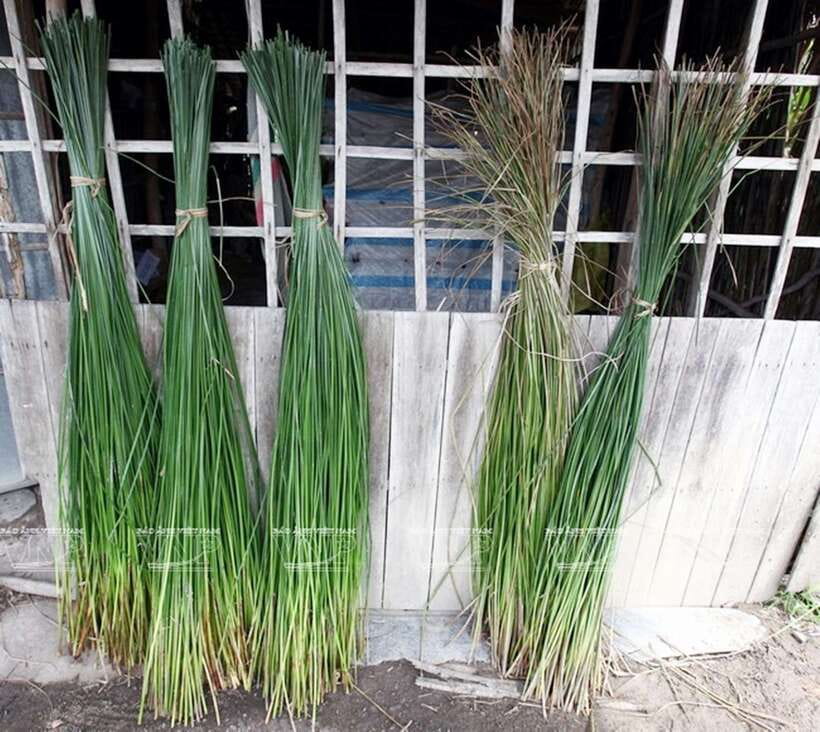
Step beyond Nha Trang’s beaches. This six-hour private tour takes you into the countryside to see mat weaving, rice-paper making, conical-hat work, an ancient house, and peaceful pagodas. I like the hands-on village stops, especially the chance to try making a traditional mat, and I like that lunch, transport, entrance fees, water, and hotel pickup are included. The main drawback is the price: at $120 per person, this is expensive for Vietnam, particularly if you are traveling alone.
The tour works best for you if you want more than coastal scenery and resort streets. It offers a direct look at everyday craft traditions, with an English-speaking guide to explain what you are seeing. Guides Shoen and Ha have received especially warm praise for their explanations, patience, and friendly conversation. Just remember that rural visits can be less polished than a standard sightseeing route, which is part of the point.
Key points to know before you go
- Mat-making in Chiếu Village: See how Vietnamese sleeping mats are produced, then try the process yourself.
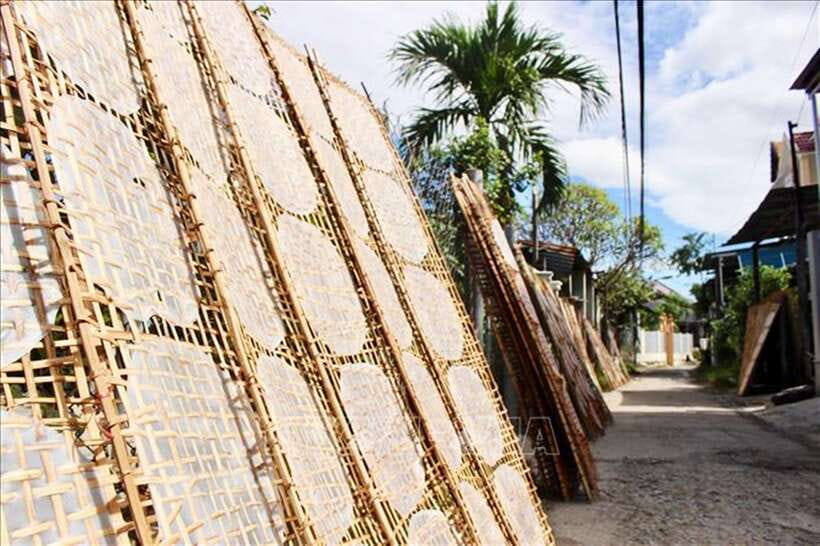
- Rice paper in Bánh Tráng Village: Watch rice become thin sheets of bánh tráng, dried in the sun.
- Non La village: Learn how Vietnam’s familiar conical hat is made.
- Suoi Do Pagoda: Enjoy a quiet countryside setting with streams and waterfalls among the greenery.
- Private six-hour outing: Your group travels by car with an English or Vietnamese-speaking guide.
- Good value for an inclusive tour: Lunch, bottled water, admission fees, insurance, and central Nha Trang pickup are included.
Why this Nha Trang countryside tour is worth considering
Nha Trang is easy to reduce to a beach destination. That misses the surrounding province, where village workshops and religious sites offer a more grounded look at local life. This tour gives you that change of pace without asking you to arrange several short trips on your own.
I like the structure. The day moves from working villages to heritage and worship sites, then to Suoi Do’s streams and waterfalls. You are not simply driven to a viewpoint, given ten minutes, and sent back. The craft stops give you something to watch, ask about, and try.
The private format matters, too. You are not tied to the pace of a large group. If you want to ask how a mat is made, how rice paper dries, or why the conical hat remains such a strong symbol of Vietnam, your guide can spend time on the answer. The guide and driver meet you with a signboard at the agreed start time, which makes the morning or afternoon simple to manage.
Still, the price deserves a clear look. At $120 per person, the tour costs more than a basic countryside transfer or group excursion. You are paying for a private car, a guide, hotel service, lunch, entrance fees, water, and insurance, not just transport. It makes stronger financial sense for couples, families, or small groups than for a solo visitor.
A few more waterfall trips around Vietnam worth a look
- Da Lat Countryside Minivan Shared Tour (Three Waterfalls)
★ 5.0 · 1,894 reviews - Da Lat: 3 Waterfalls Tour (Datanla – Elephant – Pongour)
★ 5.0 · 1,840 reviews - Dalat: Three Waterfalls Small Group Tour – Alpine Coaster
★ 4.9 · 1,256 reviews
Leaving Nha Trang for the working countryside
Pickup is included from hotels in central Nha Trang. If your hotel is outside the city center, the operator charges an additional $5 per person each way. Infants are free, while children have a $3 per-person surcharge.
The drive is part of the experience, even if it is not the main attraction. You leave the city behind and spend roughly five to six hours seeing how craft traditions fit into village life. The exact order of stops may vary, so think of this as a half-day cultural route rather than a rigid timetable.
A private car also gives you a little breathing room between stops. Ha, one of the guides associated with this experience, has been praised for keeping conversation flowing and answering questions throughout the drive. That matters on a route where the road time connects several separate places.
Chiếu Village and the patient work of mat making
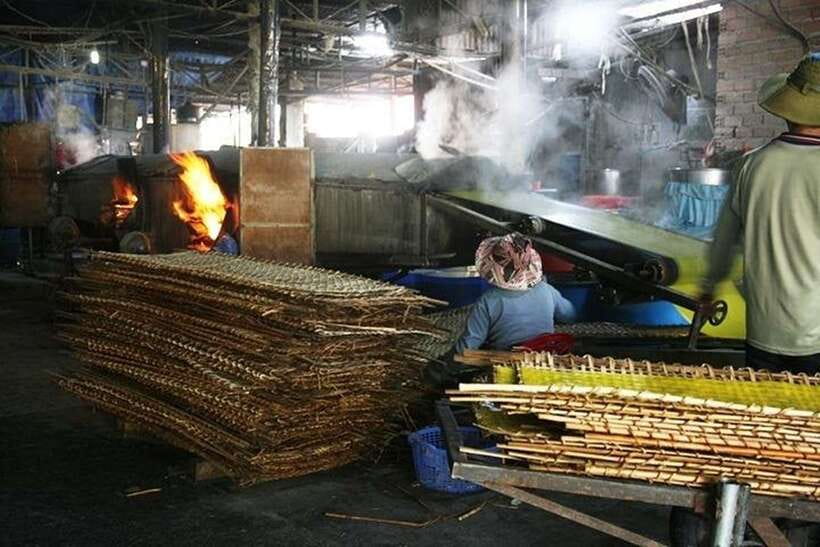
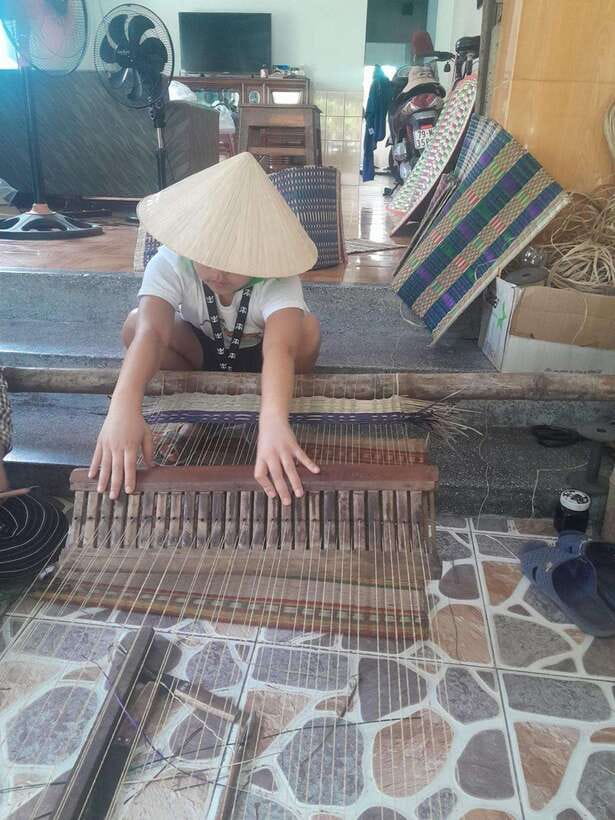
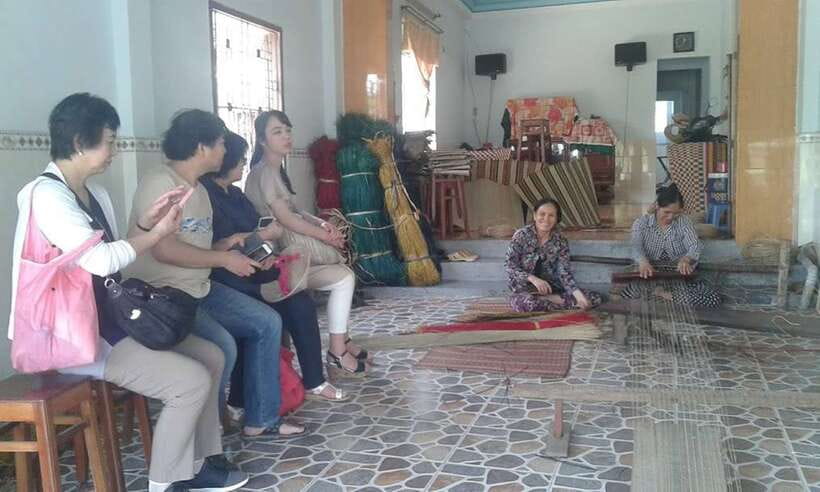
The mat village is one of the strongest stops. In Vietnamese, chiếu refers to a woven sleeping or floor mat, and the craft requires steady hands and repetition. You see how the materials are arranged and how the weaving creates the familiar patterned surface.
The useful part is that you can practice. Watching a craftsperson work is interesting, but trying the method yourself gives you a better sense of the skill involved. Even a short attempt shows why neat edges and regular patterns take experience.
This stop also carries a cultural lesson. Mats are practical household objects, not museum pieces. They connect traditional work with ordinary Vietnamese homes and daily routines. Your guide can explain the history, customs, and role of the village, helping you see the craft as part of community life rather than a souvenir display.
You should not expect a large formal museum or a theatrical demonstration. The appeal is the working setting and the chance to see production close up. If you prefer major monuments and polished exhibits, this may feel modest. If you want to understand how an everyday item is made, it is a useful stop.
Bánh Tráng Village and rice paper under the sun
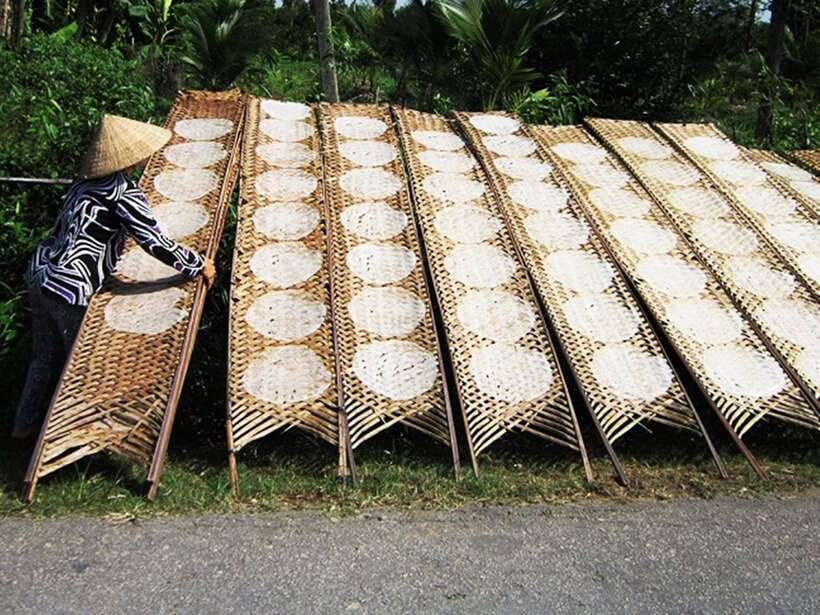
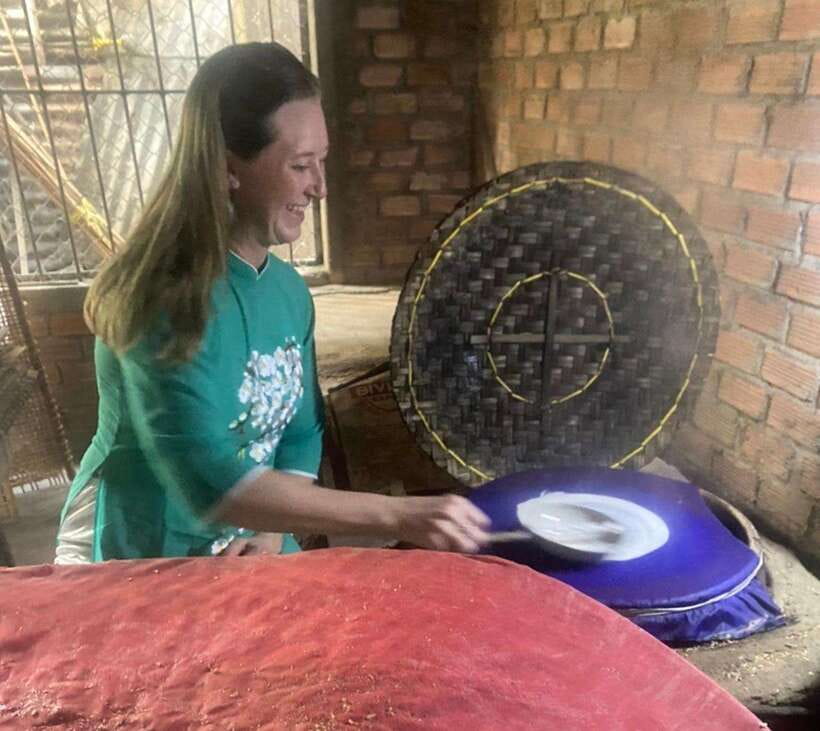
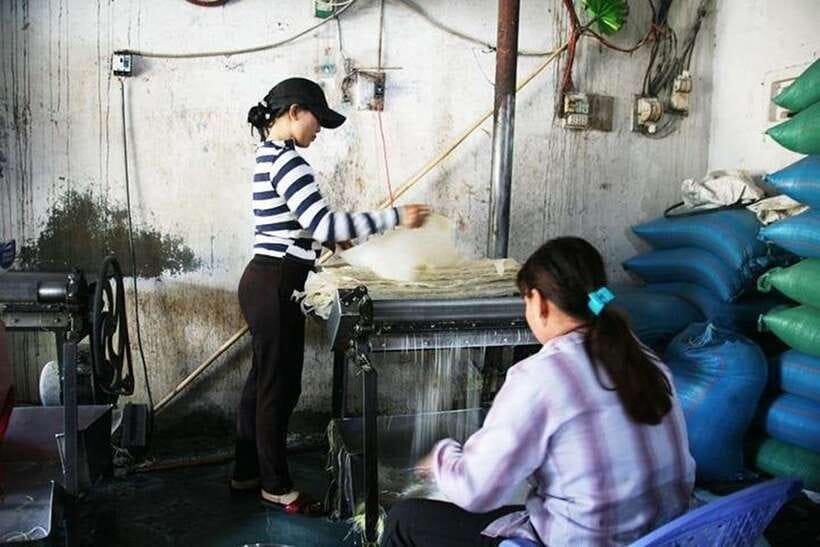
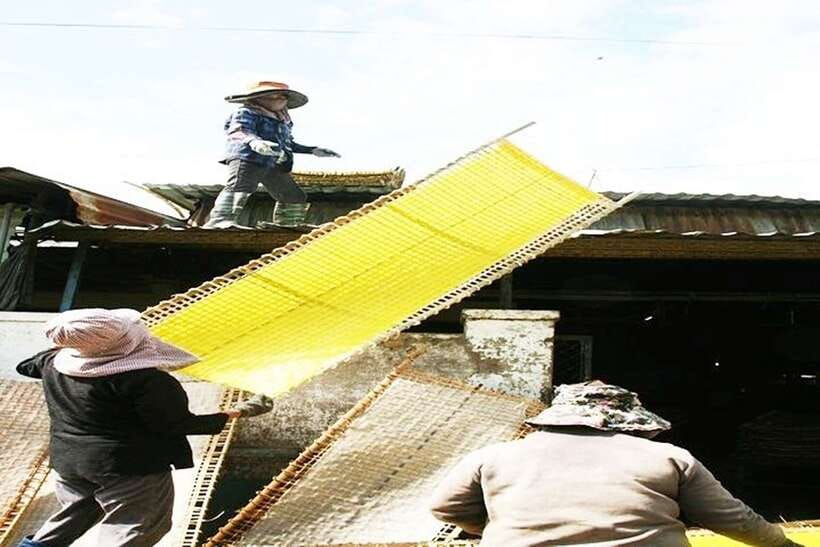
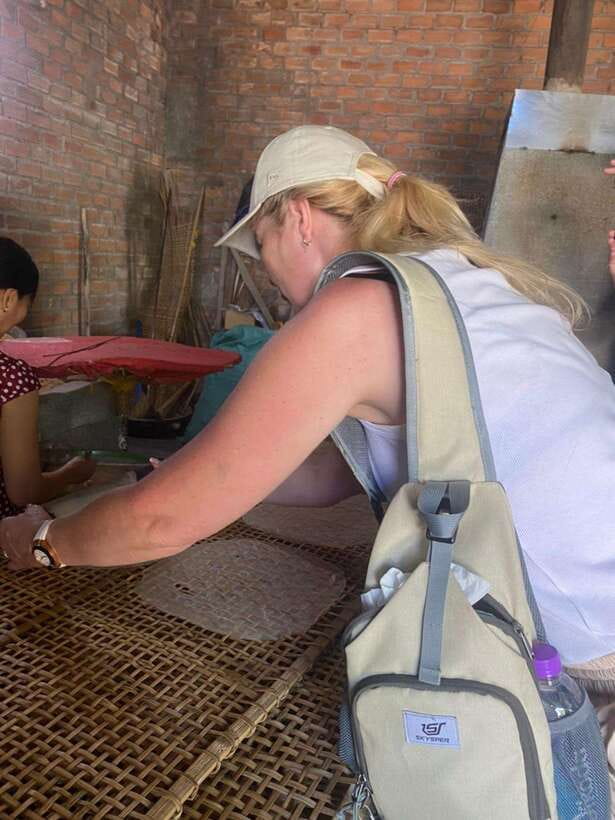
At Bánh Tráng Village, you watch rice paper being made from a simple base: rice is ground into a fine powder, mixed with water, spread into a thin layer over cloth stretched across a bamboo frame, and dried in the sun.
The process sounds straightforward until you see how thin and even the sheet must be. Small differences in moisture, spreading, or drying can affect the finished product. This is the sort of stop where a guide’s explanation adds real value, because the finished rice paper is familiar to many visitors, while the work behind it is easy to overlook.
Rice paper is tied to Vietnamese food and household production. Here, it also represents a local skill passed from one generation to another. The village takes pride in keeping the process alive, and you get to see the work before the product reaches a market or dining table.
Look closely at the bamboo frames and the drying method. The contrast between a basic setup and the practiced technique is the point. The village does not need elaborate machinery to make the process interesting.
Same trip, a different kind of day out:
- Dalat: 3 Waterfalls Day Tour — Datanla, Pongour & Elephant
★ 4.9 · 931 reviews - Ban Gioc Waterfall 2 Days 1 Night From Hanoi
★ 5.0 · 575 reviews - Da Lat’s Countryside & Waterfalls Day Tour by Motorbike
★ 5.0 · 462 reviews - Dalat Top Tourists Sights – Waterfall & Go kart-Mario Kart
★ 5.0 · 380 reviews
Non La Village and Vietnam’s familiar conical hat
The conical hat, known as non la, is one of Vietnam’s most recognizable symbols. At Non La Village, you learn how these hats are made and see the work that goes into shaping a lightweight object that is both useful and strongly linked with the country’s identity.
The stop helps balance the mat and rice-paper visits. Those crafts focus on household goods and food production, while the conical hat carries a more visible cultural meaning. Its shape is simple, but making a balanced hat requires care.
Again, this is a village experience rather than a large attraction. You might find the visit brief, especially if the group has several stops to fit into six hours. I would treat it as a chance to ask questions and look carefully, not as a place designed for hours of independent exploration.
An ancient house and a closer look at local life
The tour also visits an ancient house. The available details do not specify its age, architecture, or exact location, so you should not book this expecting a named landmark with a long formal tour.
Its value is in the change of scale. After watching village production, you see a domestic setting and get another angle on how people lived. Ask your guide about the house’s materials, layout, age, and family history when you arrive. The answers will help turn a quick stop into a more meaningful one.
This is a good example of why a private guide helps. The house may not explain itself in English through extensive signs. Shoen, one guide connected with the tour, has been praised for explaining Vietnamese traditions and daily life clearly. If she leads your visit, use the opportunity to ask about details that catch your eye.
Long Son Pagoda and Suoi Do’s waterfalls
The itinerary includes Long Son Pagoda and Suoi Do Pagoda, though the exact sequence is not specified. Long Son adds a well-known Buddhist site closer to Nha Trang, while Suoi Do takes you farther into the countryside for a quieter setting.
Suoi Do Pagoda in Dien Khanh is the more distinctive countryside stop. It is surrounded by greenery and known for natural streams and waterfalls. The sound and movement of water give the site a calm character, while the pagoda itself provides a spiritual focus.
The setting is important here. You are not visiting only for architecture. The appeal comes from the relationship between the religious buildings, the trees, the stream, and the falls. Suoi Do also attracts pilgrims, so behave respectfully and follow your guide’s advice around worship areas.
Conditions may be less predictable at a natural site than at a city monument. Water levels, weather, and the ground around streams can affect what you see. Wear shoes suitable for uneven or damp surfaces, even though the tour information does not specify a hiking route.
Long Son Pagoda provides a different contrast. Its inclusion gives you a second religious stop and places the countryside visit in a wider Nha Trang setting. Since the tour is only six hours, neither pagoda is likely to receive the same amount of time as a dedicated temple tour.
Lunch, transport, and what the $120 covers
The $120 price includes hotel pickup and drop-off in central Nha Trang, a private car, an English or Vietnamese-speaking guide, entrance fees, lunch, mineral water, and insurance. That is a strong package when you want one booking to handle the day’s practical details.
The value depends on your group size. For a couple or family, the private vehicle and personal guide make the cost easier to justify. For a solo visitor, the per-person price is harder to swallow. The operator also charges for pickup outside central Nha Trang, so confirm your hotel location before booking.
Lunch is included, but no menu or restaurant details are provided. If you have allergies or dietary requirements, ask about them before the tour. The same applies to the precise pickup time, since starting times depend on availability.
Tips and personal expenses are not included. Bring some cash if you want to buy local products or leave a gratuity. Purchases are optional, and you should not feel pressured to treat the craft villages as shopping stops. The main value is seeing the work and meeting the traditions behind it.
Who will enjoy this tour most
I would recommend this outing to you if you:
- Want to see rural life beyond Nha Trang’s waterfront
- Enjoy demonstrations and hands-on craft activities
- Prefer a private car and personal guide
- Have an interest in Vietnamese food production and household traditions
- Want pagodas and natural scenery in the same half-day
- Are traveling with a partner, family, or small private group
It is less suitable if you want a full day of hiking, extensive time at waterfalls, or a beach-and-island excursion. The tour includes Suoi Do’s streams and waterfalls, but its focus is culture and village life, not a long outdoor adventure.
It may also feel too expensive if you are happy arranging local transport yourself. The cost buys convenience, explanations, and an organized route. It does not buy luxury facilities at every stop.
Practical advice for a smoother visit
Confirm that your hotel is inside central Nha Trang to avoid the extra pickup charge. Be ready at the start time and look for the guide and driver holding a signboard.
Wear comfortable clothing and shoes that can handle village paths and damp ground near Suoi Do. Carry sun protection, and keep a little space in your bag if you may purchase rice-paper products, mats, or conical hats.
Use the guide actively. Ask how long a mat takes to make, how rice paper is dried, how the conical hat is shaped, and how the pagoda is used by local people. The strongest part of this tour is the explanation between stops, not simply collecting photographs.
Shoen is known for sharing insight into Vietnamese traditions, while Ha has been praised for friendly conversation and careful driving. Guide assignments can change, so treat those names as possibilities rather than a guarantee.
Should you book the Nha Trang countryside tour?
Book it if you want a private, well-organized look at Vietnamese village crafts and religious sites, and you are comfortable paying for convenience. The mat-making practice, rice-paper production, Non La visit, ancient house, and Suoi Do waterfalls give you a fuller picture of the area than a standard city tour.
Skip it if your priority is keeping costs low or spending most of the day in nature. At $120 per person, it is not a bargain excursion. But with lunch, transport, admissions, water, insurance, and a guide included, it can be fair value for a small private group that wants context instead of a quick photo stop.
Free cancellation is available up to 24 hours before departure, and you can reserve now while paying later. That flexibility helps, but the real booking decision is simple: choose this tour for local crafts and everyday culture, not for a major waterfall hike.
FAQ
How long does the Nha Trang countryside tour last?
The tour lasts about six hours, with the full countryside experience taking roughly five to six hours.
What villages does the tour visit?
The route includes Chiếu Village for traditional mats, Bánh Tráng Village for rice paper, and Non La Village for Vietnamese conical hats.
Does the tour include hotel pickup?
Yes. Pickup and drop-off are included for hotels located in Nha Trang city center. Locations outside the city center have a $5 per-person, per-way surcharge.
Is lunch included?
Yes. Lunch, mineral water, entrance fees, insurance, the car, and the guide are included in the tour price.
Which languages are available?
The live guide service is available in English and Vietnamese.
Is this a private tour?
Yes. The tour is arranged for a private group rather than a shared large group.
Just added around Vietnam
- Da Lat Full-day Tour with Langbiang Mountain, Datanla Waterfall, Crazy House★ 3.5 · 11 reviews
- VIP Dalat 3 waterfalls – Datanla, Elephant Pongour & Coffee Tour★ 5.0 · 8 reviews
- Dalat Waterfall Tour★ 5.0 · 9 reviews
- Vietnamese Culture: Phin-Making Tour Beyond Elephant Falls, Dalat★ 5.0 · 19 reviews
- Da Lat Countryside & Pongour Waterfall Tours ( small group)★ 5.0 · 256 reviews
- Da Lat: Half-Day Morning – Clay Tunnel, Crazy House, Datanla Fall★ 5.0 · 43 reviews
- Dalat Countryside with Pongour & Elephant waterfalls tour – 1Day★ 5.0 · 5 reviews
- Da Lat Easy Rider Group Waterfall Motorcycle Adventure★ 5.0 · 38 reviews
Nha Trang Waterfall Tours, compared.

Hidden Hon Ba Nature Reserve Motorcycle Tour BBQ,Beer,Waterfall
Read our review →
Amazing City Tour & Ba Ho Waterfall By Car (Minimum 02 guest)
Read our review →
Browse the lists this tour appears in