REVIEW · ARUSHA, TANZANIA
Marangu waterfall & Coffee making Cultural Tour | BURIGI CHATO SAFARIS CO LTD
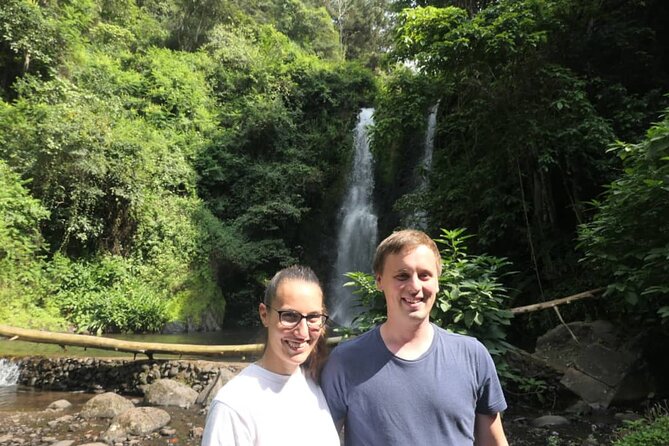
Mountain air, coffee, caves, and cold water. This full-day trip from Arusha takes you to the lower slopes of Kilimanjaro for a close look at Chagga culture. I like the hands-on coffee session, where you roast and prepare your own cup, and I like that the day includes both outdoor scenery and living cultural sites. The main drawback is the long schedule: eight hours can feel full, especially if you want an easy swim at the waterfall.
You will also visit Chagga Underground Caves, the Chagga Live Museum, and a local restaurant or family setting for a traditional meal. The banana beer adds a memorable local touch. Just keep in mind that the waterfall walk can be slippery, and the pool water may feel very cold.
Five things to know before you go
- You make your own coffee: Learn how coffee is grown, harvested, processed, roasted, and prepared on a small local farm.
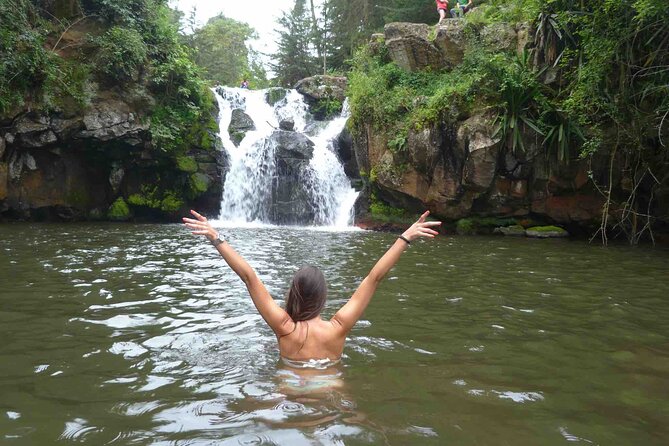
- The waterfall includes a swimming option: The water is considered safe for swimming, but it can be cold, and the rocks near the falls require care.
- The Chagga caves add serious historical context: Your guide explains how underground shelters were used during conflict with Maasai raiders.
- Lunch is part of the experience: A traditional hot meal is included, with opportunities to try local drinks such as banana beer.
- Kilimanjaro is part of the setting: At Marangu Gate, around 1,900 meters above sea level, you may get views toward the mountain and surrounding towns.
- The day begins at 8:00 a.m.: Pickup can be arranged, and the activity returns to the starting point in Arusha.
Why Marangu makes a good day trip from Arusha
Marangu sits on the lower slopes of Kilimanjaro, in an area strongly associated with the Chagga people. The town is also linked to the Marangu Route, one of the paths used to climb Kilimanjaro. That gives the outing more range than a simple waterfall visit.
You get mountain scenery, village life, agriculture, food, oral history, and a short forest walk in one day. I like that mix. If you have already visited Tanzania’s wildlife parks, this trip gives you a different view of the country, one based on people, farming, and local traditions rather than animals and open plains.
The tour starts at 8:00 a.m. and lasts about eight hours. Pickup is available on request, though the supplied details identify Arusha as both the starting and ending point. Confirm the pickup arrangement when you book, especially if your hotel is outside central Arusha.
The group size can be as large as 200 people. That is a surprisingly high maximum for a culture and walking tour, so ask about the expected group size before paying if you want a quieter visit. A small group will make the coffee activity, cave walk, and local conversations easier.
More Waterfall and Coffee Plantation Tours in Tanzania
- Materuni Waterfalls, coffee tour & Kikuletwa Hot Springs
★ 5.0 · 643 reviews - Materuni waterfalls coffee tour & Chemka hot springs Day trip
★ 5.0 · 131 reviews - Maasai village visit, Materuni waterfalls & coffee experience
★ 4.5 · 95 reviews
Marangu Gate at 1,900 meters
The first part of the day takes you toward Marangu Gate, the starting point for Kilimanjaro climbs on the Marangu Route. You are not climbing Kilimanjaro here, but the gate gives you a useful sense of the mountain’s scale and importance.
Bring your camera. The day may offer views of Kilimanjaro, and the surrounding area can provide broad views toward Moshi and nearby villages. Mountain visibility is never something I would treat as guaranteed, but the setting is still worthwhile when clouds cover the summit.
This stop also helps place the Chagga community in its surroundings. Coffee grows on the cultivated slopes of the mountain, and the visit shows how agriculture and local life are tied to Kilimanjaro. The tour is not only about seeing the mountain from a distance. It uses the mountain as the backdrop for understanding the people who live around it.
Turning coffee beans into your own cup
The coffee farm is one of the strongest parts of the day. You learn how coffee is planted and grown, then follow the stages of harvesting and processing. The useful part is that you are not simply watching a demonstration.
You can help process and roast the beans before preparing fresh coffee yourself. I prefer this kind of activity to a quick farm stop because it explains the work behind a familiar drink. You see how much effort goes into something many people treat as an ordinary morning habit.
The pace here may depend on the guide, the farm, and the size of the group. With a large group, you may have less time to handle each stage. If coffee is a major reason for booking, ask whether the activity will be hands-on for everyone.
Several accounts of the tour describe the coffee stop as cheerful and informal, with guides bringing energy to the session. One guide named in the material is Geofrey, who was praised for explaining local plants and village life during the day. Guide quality matters here because the coffee process is simple to show but much more interesting when linked to local farming.
Hiking to Marangu and Ndoro Waterfalls
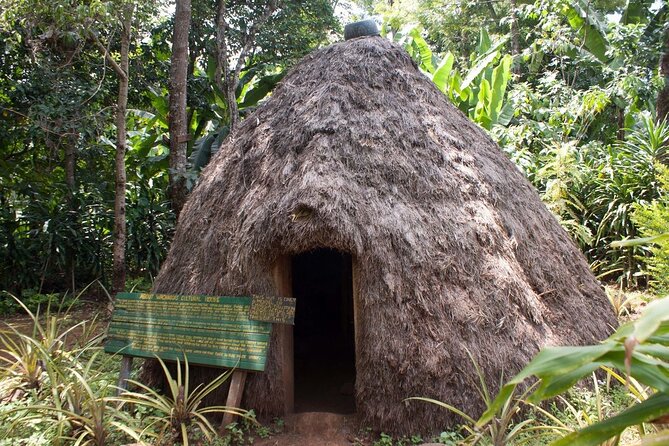
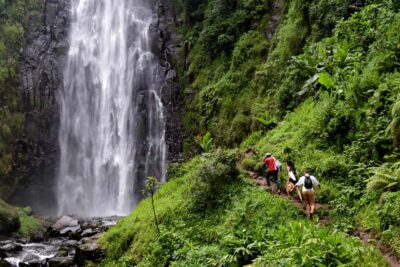
After the coffee stop, the outing continues to the waterfall area. The material uses both Marangu Falls and Ndoro Waterfalls, so confirm the exact waterfall name and route with the operator before departure. The walk takes you through lush greenery and uphill terrain.
The hike is described as enjoyable and scenic, with views from higher ground toward the village and Moshi. You may also get another look at Kilimanjaro. The route is not presented as a technical trek, but it is still a walking excursion, not a roadside viewpoint.
Wear shoes with a firm grip. The rocks and paths around a waterfall can be wet, and the final approach may feel more demanding if you are not used to hills. The tour information says most people can participate, but anyone with mobility limits should ask for a clear description of the trail before booking.
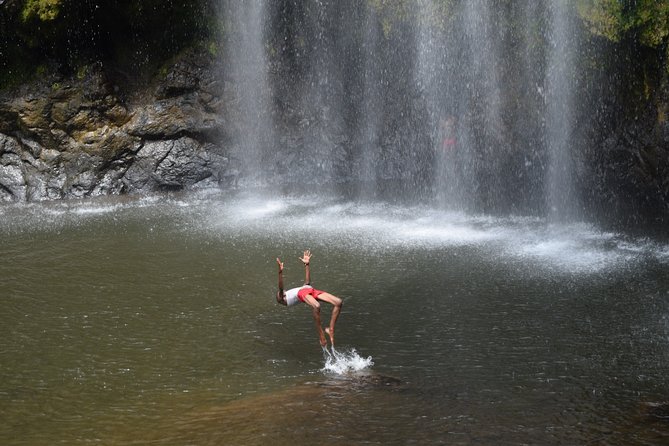
The water offers a chance to cool off. You can swim in the pool, and the water is described as safe for swimming. It may be very cold, though, so treat the swim as an option rather than a required part of the tour. Stay away from the edge above the falls and follow local instructions. A waterfall is a fine place for a photograph, but not a good place to test your balance.
The scenery is a major reason to choose this tour. You get plant life, village views, and the sound of moving water instead of a polished attraction built for quick visits. Expect simple conditions and natural surfaces.
More Materuni and Kilimanjaro Waterfall Tours in Arusha:
- Materuni Waterfalls & Chemka Hotsprings Day Trip
★ 5.0 · 214 reviews - Materuni Waterfalls & Coffee Tour from Moshi
★ 5.0 · 92 reviews - Arusha: Materuni Waterfalls, Coffee, and Hotsprings Tour
★ 4.8 · 78 reviews - Materuni Waterfalls, Visiting Chagga Village, CoffeeTour Kikuletwa Hotsprings
★ 5.0 · 63 reviews
Chagga Underground Caves and the story of conflict
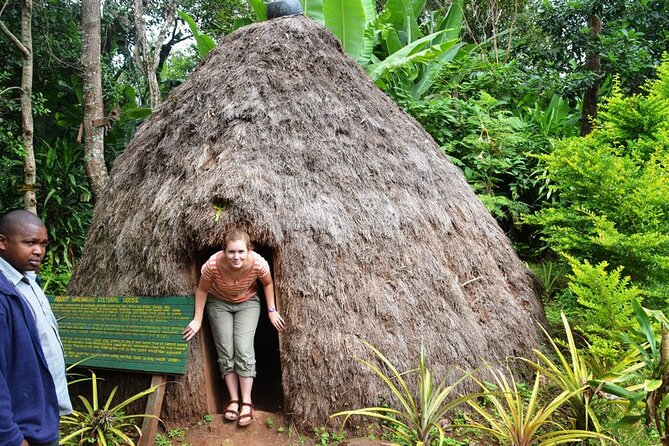
The Chagga Underground Caves add a more serious layer to the day. Your guide explains how the caves were built as places of refuge during periods of conflict involving Maasai groups and the Chagga people.
The account presented on the tour says that drought pushed Maasai communities toward the lower slopes of Kilimanjaro in search of food and water. It also describes attacks, including enslavement and killing, and the Chagga response of building an extensive network of underground caves.
This is the kind of site where a guide makes a real difference. The caves themselves may not look dramatic at first, but the explanation helps you understand why they were built and how they fit into local memory. You will likely spend time walking through confined or uneven spaces, so comfortable shoes and attention to footing are sensible.
I also appreciate that the caves are not treated as a quick photo stop. The visit connects architecture with survival. It gives you a better sense of how local communities responded to danger using the materials and terrain around them.
The story should be heard with care. Historical accounts of conflict can be complex, and a short day tour cannot cover every viewpoint or detail. Still, the caves provide context that you would miss if you only visited the waterfall and coffee farm.
Chagga Live Museum and everyday traditions
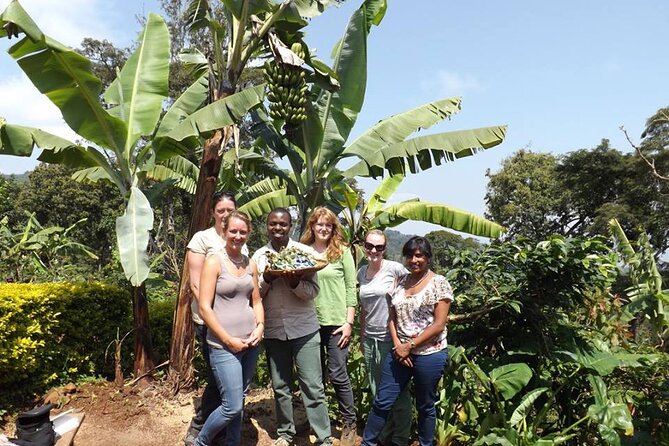
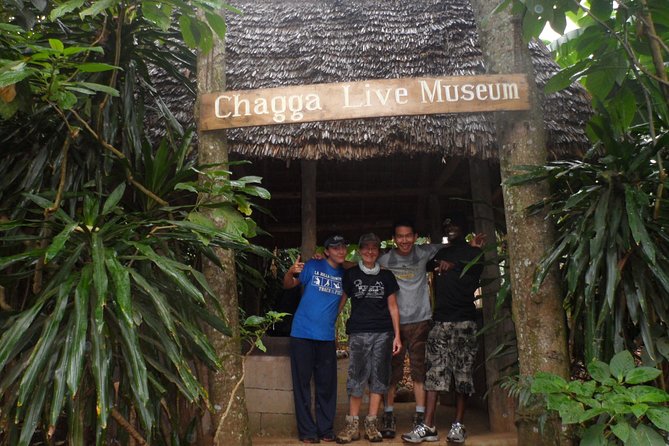
The Chagga Live Museum is a small outdoor museum focused on traditional Chagga life. It gives you a more direct look at homes, food, farming, and customs.
Some visits include traditional houses with straw roofing and introductions to local residents. The exact level of interaction may vary, but the goal is clear: to show how people lived and worked rather than simply display objects behind glass.
The museum pairs well with the caves. First, you learn how the Chagga defended themselves. Then, you see more about ordinary life, including the homes and agricultural practices that shaped the community.
Guides may also point out plants used for practical purposes, including plants that help mark boundaries between plots. That small detail is worth noticing. It shows how local knowledge can be built into the everyday environment, not separated from it in a museum case.
A hot local meal and banana beer
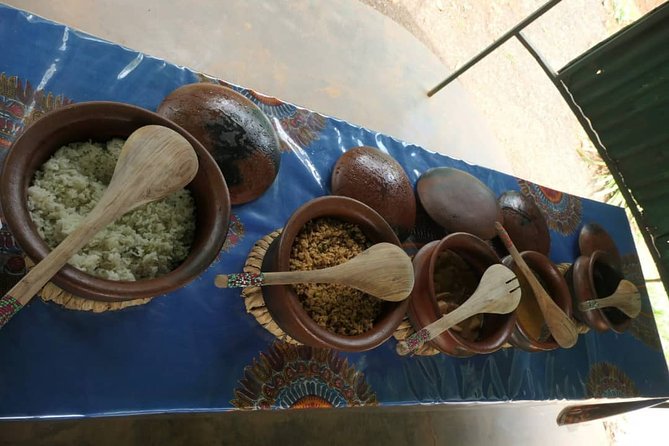
Lunch is included, which improves the value of the $150 price. The meal is described as a traditional hot dish served at a small restaurant or, in some cases, with a local family. Do not expect a standardized hotel buffet. The food is part of the cultural program.
Some accounts describe a family-prepared African meal as one of the best moments of the day. That type of meal can feel more personal than eating at a restaurant, but the exact setting should be confirmed before departure. The itinerary wording allows for both a small restaurant and a family lunch.
You may also taste local drinks, including banana beer. It is not simply a novelty drink. It is part of the food culture of the area, and trying it gives the meal a stronger local connection. Go slowly if you are unfamiliar with it, and do not assume every drink will suit your taste.
Food preferences and allergies are worth raising when you book. The tour confirms that lunch is included, but it does not provide a full menu or promise special dietary arrangements.
Is $150 a fair price?
At $150 per person, this is not the cheapest way to see a waterfall near Kilimanjaro. The price makes more sense when you count everything included: transport for the day, guide services, entrance fees, coffee instruction, waterfall access, the caves, the museum, and lunch.
The tour also includes crew wages and a first-aid kit. Flights, visas, hotel costs, tips, and any additional park fees are not included. You should also check if your pickup location creates an extra charge.
I consider the price reasonable for someone who wants a full cultural day rather than a single short walk. The value is strongest when the group is small and the guide spends time explaining the coffee, caves, plants, and Chagga traditions.
The value drops if you only want to swim or take waterfall photographs. In that case, you may spend much of the day on stops that do not interest you. This is a culture and nature outing, not a quick waterfall transfer.
Who will enjoy this day most?
I would recommend it to people who want an introduction to the communities around Kilimanjaro. It suits visitors with one free day between a safari, a Kilimanjaro climb, or time in Arusha.
It is also a good fit if you enjoy food activities. Roasting coffee, preparing a cup, tasting banana beer, and eating a traditional meal give the day a practical feel.
The outing may not suit you if you dislike walking on uneven paths, confined cave spaces, or a long schedule. The waterfall swim is optional, but the walking and cultural stops are central to the experience.
Families may enjoy the variety, though the cave visit and trail conditions should be considered for younger children. The information says most people can participate, but it does not give a minimum age or detailed accessibility information.
The experience provider is identified as Tanzania Serengeti Safaris, while the tour title also names Burigi Chato Safaris Co Ltd. I would confirm the operating company, pickup point, vehicle details, and expected group size before booking.
Practical advice for a smoother day
Wear comfortable walking shoes with good grip. Pack swimwear and a towel if you want to enter the pool, plus a light layer for the morning and mountain air.
Keep your schedule flexible. The tour includes several stops, and time spent at the coffee farm, caves, museum, or lunch may vary. A full eight-hour day can run long if transport or local visits take extra time.
Bring drinking water, sun protection, and a camera. You will want both wide mountain views and close photographs of coffee work, village buildings, and forest paths.
Tips are not included. Visas, flights, hotel costs, and additional park fees are also excluded. Free cancellation is available if you cancel at least 24 hours before the 8:00 a.m. start time. Cancellations within 24 hours are not refunded, and late changes are not accepted.
Should you book the Marangu cultural tour?
Book it if you want more than a waterfall. The best parts are the hands-on coffee making, the Chagga cave visit, the local meal, and the chance to connect Kilimanjaro scenery with daily life in the foothills.
Think twice if you want a short, private outing or a guaranteed mountain view. The group maximum is large, the day is busy, and the waterfall trail needs care.
For a first look at Marangu, I think the combination is strong. Confirm the operator, pickup details, group size, exact waterfall name, and lunch setting before paying. If those details suit you, $150 buys a full day with real variety and far more local context than a simple sightseeing stop.
FAQ
Where does the tour start and end?
The meeting point is in Arusha, Tanzania, and the activity ends back at the meeting point. Hotel pickup is available on request.
What time does the tour begin?
The scheduled start time is 8:00 a.m.
Is lunch included?
Yes. A traditional hot meal is included. Local drinks such as banana beer may also be part of the cultural tasting.
Can I swim at the waterfall?
Yes. The waterfall pool is described as safe for swimming, but the water can be very cold. Take care around wet rocks and the edge of the falls.
Are entrance fees included?
The tour includes all listed fees and taxes, including admission for the waterfall stop. Additional park fees are not included, so confirm whether any apply to your plans.
What is the cancellation policy?
You can receive a full refund if you cancel at least 24 hours before the experience begins. Cancellations or changes made within 24 hours are not accepted or refunded.
More History Tours in Arusha
- Materuni Waterfalls & Coffee making Cultural Tour | BURIGI CHATO SAFARIS LTD
★ 5.0 · 15 reviews - Big Island in a Day: Volcanoes Waterfalls Sightseeing and History
★ 5.0 · 6,569 reviews - World Famous Boat Cruise with Historical Walking Tour and more
★ 5.0 · 202 reviews - Richtis Waterfall, History, Azoria, OliveTasting, NorthCoast
★ 5.0 · 83 reviews
More Waterfall and Coffee Plantation Tours in Arusha
- Materuni waterfalls,coffee tour & Kikuletwa(Chemka)Hot Springs
★ 5.0 · 49 reviews - From Arusha: Coffee Farm and Mangalia Waterfalls Tour
★ 4.9 · 48 reviews - 6 Days Serengeti Safari(hiking waterfalls &coffee tour)
★ 5.0 · 48 reviews - Hidden Arusha Waterfall, Coffee & Village Tour (All-Inclusive)
★ 5.0 · 42 reviews
Just added around Arusha
- Napuru Waterfalls★ 4.5 · 6 reviews
- Waterfall & Coffee Walking Tour★ 5.0 · 6 reviews
- Materuni Waterfalls & Coffee making Cultural Tour | BURIGI CHATO SAFARIS LTD★ 5.0 · 15 reviews
- Materuni Waterfall Coffee Tour and Chemka Hot Springs Experience★ 5.0 · 15 reviews
- Private Tour to Marangu Waterfalls, Chagga Caves, Coffee tour & Hot Springs★ 5.0 · 7 reviews
- Private Full-Day Materuni Waterfalls and Kikuletwa Hotspring★ 5.0 · 10 reviews
- Materuni Waterfalls and Coffee Tour★ 5.0 · 9 reviews
- Materuni Waterfalls & Coffee Tour from Moshi★ 5.0 · 92 reviews
Materuni & Kilimanjaro Waterfall Tours, compared.
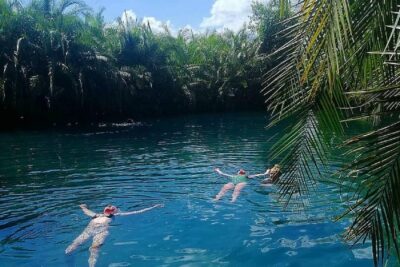
Materuni Waterfalls, coffee tour & Kikuletwa Hot Springs
Read our review →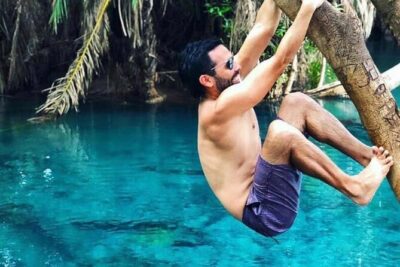
Materuni Waterfalls & Chemka Hotsprings Day Trip
Read our review →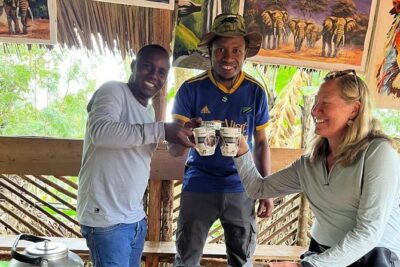
Materuni waterfalls coffee tour & Chemka hot springs Day trip
Read our review →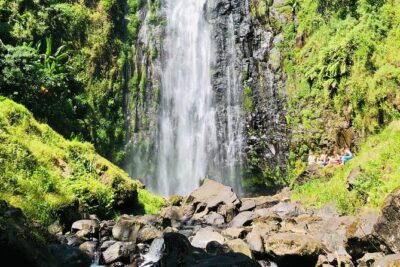
Materuni Waterfall, Coffee Tour and Picnic Hot Lunch
Read our review →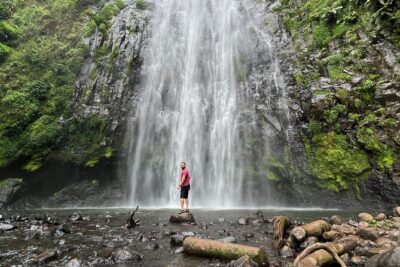
Maasai village visit, Materuni waterfalls & coffee experience
Read our review →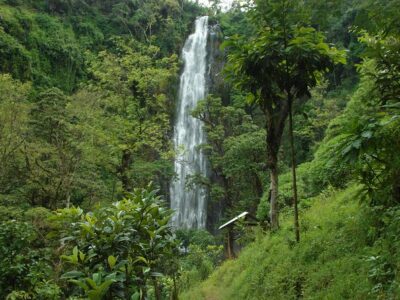
Materuni Waterfalls, Coffee, and Hotsprings Tour
Read our review →