REVIEW · HARJU, ESTONIA
From Tallinn: Jägala Waterfall and Harju County Tour
Tallinn is only the beginning. This four-hour outing takes you beyond the capital to Jägala Waterfall, Bronze Age burial sites, a medieval chapel, and the Baltic coast. I like the strong mix of nature and local history, especially the way the waterfall changes with the seasons. I also like the small group size, limited to seven people, which leaves room for questions and the occasional change of pace.
The main drawback is the price: $137 per person is not cheap for a half-day trip, particularly because lunch is extra. Still, transport, an English-speaking guide, and several widely separated stops are included. The quality of the guide matters a lot here, and guides such as Tony, Jorge, Helena, Andreas, and Nele have been praised for being friendly, flexible, and generous with local stories.
Key points at a glance
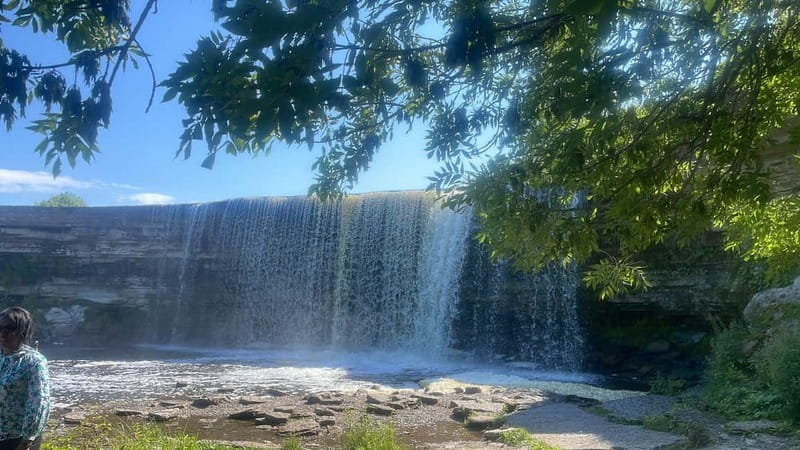
- Jägala Waterfall changes with the calendar: Spring brings strong flow, summer adds greenery, autumn brings colour, and winter can turn the falls into a striking wall of ice.
- Rebala connects the countryside to prehistory: Bronze Age coffin graves sit in an area known as one of Estonia’s oldest farming regions.
- Saha Chapel carries older beliefs beneath its Christian story: The chapel was built on a site regarded as sacred before Christianity arrived.
- A small group keeps the day personal: With no more than seven participants, you can ask questions and spend longer at a stop when the schedule allows.
- The seaside meal is optional: You get time at a restaurant overlooking the bay, but food is paid for separately.
- The tour works in every season: Cold weather, rain, autumn colour, or summer greenery each change the feel of the outing.
Why leave Tallinn for four hours?
Tallinn’s Old Town can easily fill several days, but Estonia becomes easier to understand once you see what lies beyond its medieval walls. Harju County offers a quick look at rural communities, old burial customs, limestone, water power, and the coast.
I like this tour because it does not rely on one sight alone. Jägala Waterfall is the visual star, but the other stops give the outing substance. You move from natural scenery to ancient graves, then to a chapel, a power station, and a seaside restaurant. It feels less like a single attraction and more like a short introduction to the area around Tallinn.
The four-hour length is useful if you are visiting on a short city break. You get outside the capital without giving up an entire day. It also suits anyone who wants a guided introduction rather than a complicated public transport plan.
The pace is relaxed, but this is still a sightseeing tour with several stops. You should expect short walks outdoors and time standing in weather that may be wet, windy, hot, or very cold. Comfortable shoes and suitable clothing matter more than smart city clothes here.
A few more waterfall trips around the world worth a look
- From Marrakech: Ouzoud Waterfalls Guided Hike and Boat Trip
★ 4.7 · 33,630 reviews - Marrakech: Atlas Mountains, Ourika Valley, Waterfall & Lunch
★ 4.8 · 15,834 reviews - Reykjavík: South Coast Waterfalls, Black Sand & Glacier Tour
★ 4.8 · 11,030 reviews
Jägala Waterfall in every season
Jägala Waterfall is the main reason to book this trip. It is Estonia’s largest natural waterfall, and its character shifts sharply during the year.
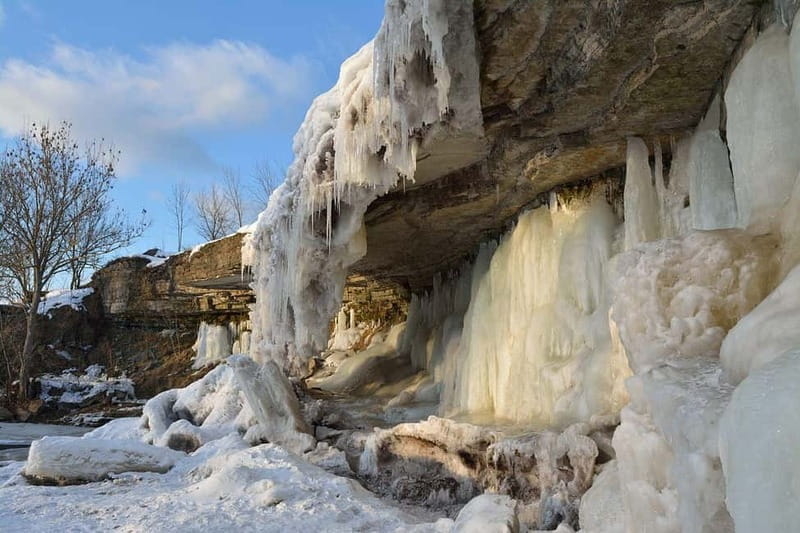
In spring, melting snow and seasonal water can give the falls a stronger flow. Summer brings green surroundings and a softer outdoor feel. Autumn frames the water with changing colour, while winter can turn the waterfall into an icy formation. If you have the choice of travel dates, think about what kind of scene you want rather than asking which season is best.
I would choose winter if you want something unusual. Several cold-weather outings have been especially memorable, and one guide adapted the schedule sensibly during extreme cold. The falls can look stark and dramatic when frozen, but you need warm clothing and shoes that can handle slippery conditions.
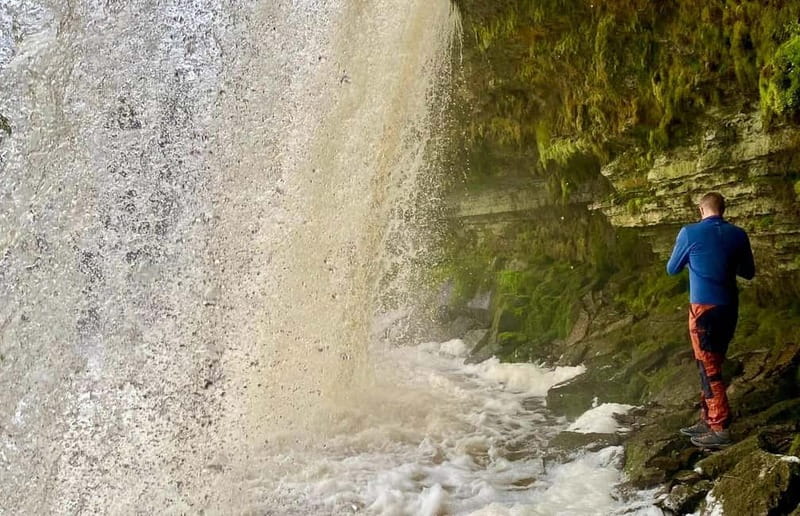
Summer is likely the easiest season for walking and photography, although the waterfall may feel less powerful than in spring. Rain does not automatically ruin the visit. One guide turned a wet day into a memorable outing, which says something about the value of having an attentive guide rather than simply arriving at a viewpoint alone.
The waterfall stop is not just a photo break. Your guide explains the surrounding geology and the role of limestone in northern Estonia. That context gives the scene more meaning. You are not only looking at water dropping over rock, but also learning how local natural materials have shaped the region.
Rebala’s Bronze Age coffin graves
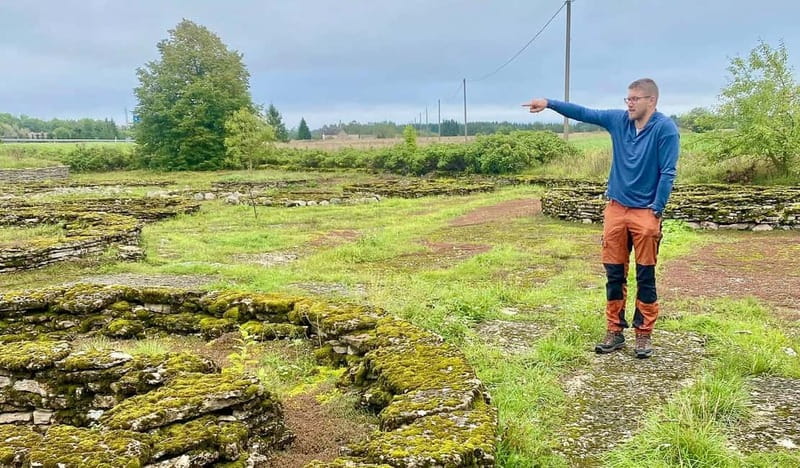
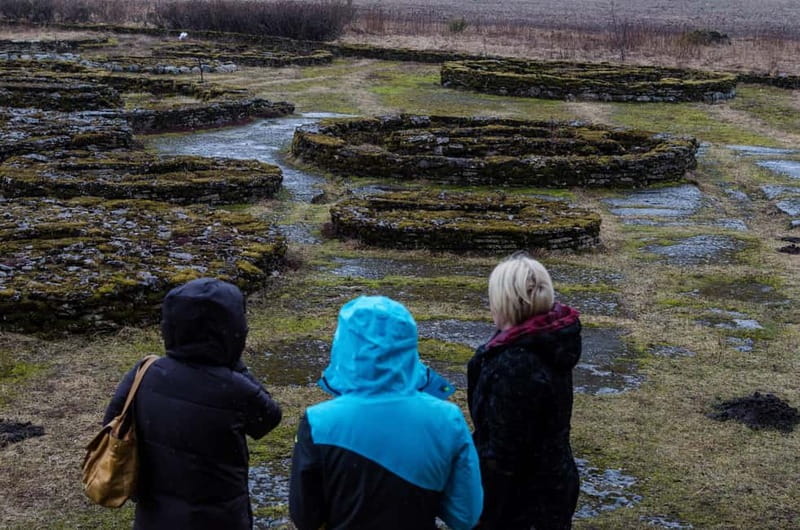
The stop at Rebala moves the tour from scenic Estonia to very old Estonia. This is one of the country’s oldest agricultural areas, and the Bronze Age coffin graves can be visited throughout the year.
The graves are outdoors, so the experience depends on the weather and on how much explanation your guide provides. You will not find a large indoor attraction open every day. Instead, you see burial sites in the setting where they belong and learn how early communities used this part of the country.
That outdoor setting is one of the strongest parts of the stop. Ancient graves can feel abstract in a museum, but here they are connected to fields and open countryside. Your guide helps explain why the site matters and how early settlement developed in the region.
The Rebala Museum opens seasonally, roughly from May through September. When it is operating, admission and its exhibitions are included. Outside that period, the tour focuses on the burial sites and nearby surroundings. This seasonal difference is important when you decide when to book.
If the museum is a priority, choose a warmer-month departure and confirm the current opening schedule. If you are more interested in seeing the ancient sites themselves, the year-round option still has value. Just do not expect the same indoor museum visit in winter or early spring.
Saha Chapel and older local beliefs
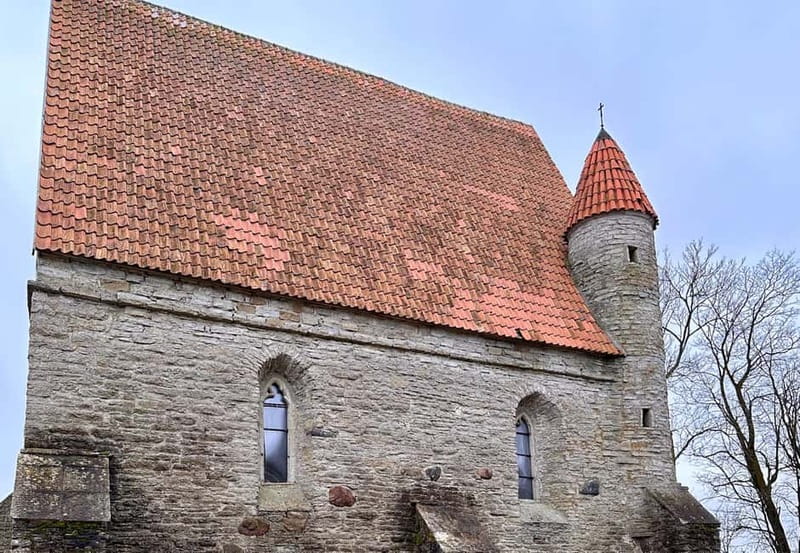
Saha Chapel adds a human and spiritual layer to the day. It is described as Estonia’s oldest medieval Christian chapel and was built on a place considered sacred long before Christianity arrived.
That earlier connection gives the chapel more interest than its size might suggest. Local beliefs link the site with fertility, luck, and protection. Your guide can explain how older customs and Christian traditions came to share the same place.
I especially like this stop because it shows that history is not just a list of dates. A small chapel can reveal how beliefs change slowly. Christianity may have brought a new religious structure, but the older importance of the site did not simply disappear.
The chapel also helps break up the outdoor stops. After the open area around Rebala, you get a more contained historic setting. Still, the appeal depends heavily on the guide’s storytelling. Guides have been praised for explaining buildings, traditions, and local life in clear English, so do not be shy about asking questions.
Same trip, a different kind of day out:
- From Marrakech: Ouzoud Waterfalls Guided Trip with Boat Ride
★ 4.9 · 10,915 reviews - Split: Krka Waterfalls Trip with Boat Cruise and Swimming
★ 4.8 · 10,519 reviews - Marrakesh: Ourika Waterfalls, Atlas Mountains, Guide + Lunch
★ 4.9 · 9,986 reviews - From Marrakech: Ouzoud Waterfalls Guided Tour & Boat Ride
★ 4.6 · 9,802 reviews
Power, limestone, and an old Viking stronghold
At Jägala power station, the tour turns to modern use of the river. You learn how water has been used to produce energy and how hydropower fits alongside nature and local life.
This is a useful contrast with the waterfall itself. The same river can be a natural attraction, a source of power, and part of a community’s daily story. I appreciate that the tour does not treat the countryside as a pretty backdrop only. It explains how people have worked with its natural resources.
The area also marks the location of an old Viking stronghold. That adds another historical layer without requiring a separate museum visit. You can connect the river, settlement, defense, and power production within one stop.
The exact balance between the technical and historical explanation will depend on your guide. Some guides have been singled out for adding stories and answering detailed questions, while others have adapted the route when seasonal closures affected the planned schedule. A small group makes this kind of conversation easier.
A seaside pause and optional lunch
The final part of the tour includes free time at a seaside restaurant with views over the bay. Lunch is optional and not included in the $137 price.
This arrangement gives you flexibility. You can order food if you are hungry, or simply enjoy the coastal setting if you prefer a shorter stop. The sea may look calm, windy, or partly frozen depending on the season, so the atmosphere changes just as much as it does at Jägala Waterfall.
A seaside meal can also make the tour feel less rushed. Several past outings included a well-liked restaurant stop, and one guide helped find another option when the expected restaurant was closed early in the season. That flexibility is useful, but you should remember that restaurant availability can vary by date.
Bring a payment method for lunch and do not assume the meal is part of the tour price. If you have dietary needs, the supplied information does not specify available choices, so asking before ordering is sensible.
The guide can make or break the experience
This tour covers several topics that could easily become a dry lecture: Bronze Age graves, medieval religion, limestone, hydropower, and local history. A good guide connects those subjects to the places you are seeing.
That seems to be the strongest part of the experience. Tony was praised for being friendly and easy to question. Jorge adjusted the outing for a late arrival and even collected a small group from the ferry. Helena was described as helpful and lively with a four-year-old child along. Andreas took time with explanations and helped with photos.
Those details matter because this is a small-group tour, not a fixed audio guide. Your guide can respond to your interests, explain a building you notice from the road, or spend a little longer at a stop when the schedule allows. One guide also added extra points of interest during the drive, while another adapted the plan when seasonal closures changed the expected route.
There has been one practical complaint about confusion at the start over who the guide was, and one person felt the tour was expensive for what it included. Those are fair cautions. The value depends largely on receiving a strong guide and making good use of the personal attention.
Small-group transport and what the timing means
The group is limited to seven participants, and transport is included. That is a major convenience because the stops are spread around Harju County rather than concentrated in one walkable village.
I would choose this over trying to organize the same outing independently if you have only half a day. You avoid working out connections between the waterfall, Rebala, Saha Chapel, the power station, and the coast. You also gain commentary during the drive, when the countryside might otherwise pass by unnoticed.
The four-hour duration keeps the trip manageable, but it also means you should not expect long exploration at every stop. The tour gives you a sample of each place. If you want extensive time at the waterfall, a long museum visit, or a leisurely seaside lunch, you may find the schedule tight.
The meeting point is the Tallinn Tourist Information Centre at Niguliste 2. The tour is offered in English, and starting times vary by availability. Cancellation is flexible up to 24 hours before departure, with a full refund, and you can reserve without paying immediately.
Is $137 a fair price?
At $137 per person, this is a premium half-day excursion. Lunch is extra, and the museum is only part of the experience during its seasonal opening period.
The price makes more sense if you value convenience, a small group, and a guide who can explain the sites in person. Transport alone is not the whole value. You are paying for a route that joins several places, local interpretation, and the ability to ask questions along the way.
It is less compelling if your priority is simply seeing Jägala Waterfall as cheaply as possible. The waterfall is the headline attraction, but the tour spends time on history and local culture too. If you want only a quick nature stop, a different arrangement may suit you better.
For families, the format can work well. A young child enjoyed one outing, and the flexible guide helped keep the day engaging. For older visitors, the short duration and included transport are helpful, although outdoor conditions still call for sensible footwear.
Who should book this tour?
I would recommend it to you if:
- You have already seen Tallinn’s Old Town and want a short trip outside the city.
- You enjoy nature with historical context rather than scenery alone.
- You want a small group and an English-speaking guide.
- You are happy to see outdoor sites in changing weather.
- You like asking questions and having the route explained as you go.
- You are visiting in winter and want to see Jägala Waterfall in an unusual frozen state.
I would hesitate if you need a cheap outing, a guaranteed museum visit, or a long, unhurried meal. The Rebala Museum is seasonal, lunch is extra, and the half-day schedule gives you an introduction rather than exhaustive time at each stop.
Final verdict: a useful half-day beyond Tallinn
I like this tour because it gives you several different ways to see Estonia in only four hours. Jägala Waterfall supplies the drama, Rebala supplies the ancient past, Saha Chapel adds local belief, and the power station explains how people use the river today.
The best reason to book is the combination of small-group transport and strong guiding. The best reason to pause is the price, especially once lunch is added. Choose your season carefully, dress for the weather, and confirm whether the Rebala Museum is open if that matters to you.
For a convenient introduction to northern Estonia beyond Tallinn, I think it is worth considering. Book it if you want a guided day with variety, not just a quick photograph at a waterfall.
FAQ
How long is the Jägala Waterfall and Harju County Tour?
The tour lasts four hours.
Where does the tour meet in Tallinn?
It meets at the Tallinn Tourist Information Centre, Niguliste 2, 10146 Tallinn.
What language is the tour offered in?
The live tour guide speaks English.
Is lunch included in the price?
No. Lunch at the seaside restaurant is optional and paid for separately on site.
Is the Rebala Museum open all year?
No. The museum is open seasonally, approximately from May through September. The Bronze Age coffin graves can be visited year-round.
What is included in the $137 price?
Transportation and guide service are included.
How large is the group?
The tour is limited to seven participants.
Just added around the world
- Dudhsagar Waterfalls, Jeep Safari & Spice Plantation private tour★ 3.5 · 8 reviews
- Canyoning in Gran Canaria: The Hidden Waterfalls and Magic Pools★ 5.0 · 92 reviews
- Dudhsagar waterfall wildlife & spice plantation Tour in Goa★ 5.0 · 10 reviews
- Private Tour to Goa and Dudhsagar Waterfalls with Lunch★ 3.0 · 8 reviews
- Day Trip to Mollem National Park Including Dudhsagar Falls and Jeep Safari from Goa★ 4.5 · 12 reviews
- Scottish Highlands and Glencoe Tour – Castles, Glens & Waterfalls★ 5.0 · 16 reviews
- Private Tour to Whales Valley & Wadi El Rayan Waterfalls in El Fayoum from Cairo★ 5.0 · 61 reviews
- Thundering Streams and Falls of the Smokies Guided Hiking Tour★ 5.0 · 153 reviews
Tours, compared.
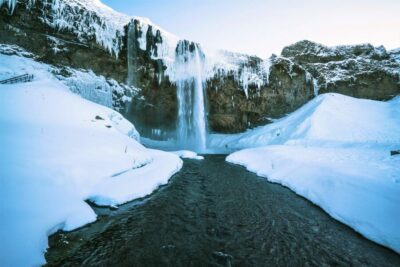
Reykjavík: South Coast Waterfalls, Black Sand & Glacier Tour
Read our review →
Niagara Falls in 1 Day: Tour of American and Canadian Sides
Read our review →
Best Niagara Falls US Tour W/Boat Ride, Cave & More Wonders!
Read our review →