
REVIEW · BIG ISLAND OF HAWAII, USA
Big Island Zipline Tour Near Akaka Falls (250-ft Waterfall!)
The waterfall crossing is the big payoff. This seven-line course near Honomu lets you see the Hamakua Coast from above, with tropical forest, ridgelines, Pacific views, and a final zip across a 250-foot waterfall. I especially like the gradual build from short lines to the long finale and the guides’ steady attention to safety. The traditional Hawaiian agriculture stories and tropical fruit samples also give the activity more purpose than a simple amusement ride.
The main drawback is the price: $246 per person is a serious slice of a Hawaii vacation budget. You also need your own transportation to a remote meeting point, and the first few lines may feel mild if you already zipline often. Still, the final crossing and the access to private scenery make this a strong choice for a special Big Island day.
Key Points Before You Book
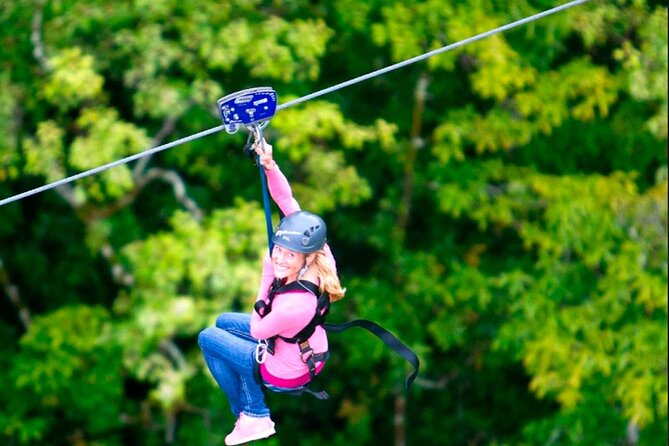
- Seven lines build toward a 250-foot waterfall crossing: The course starts gently, then increases in length and height.
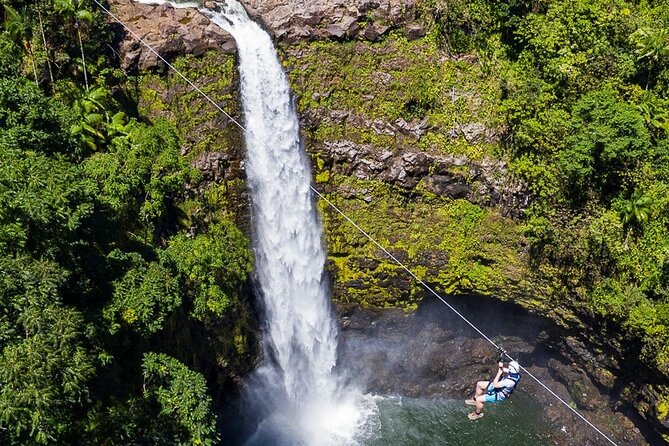
- The last zipline is the star: You cross between ridgelines above a large waterfall with the Pacific Ocean beyond.
- The setting is near Akaka Falls State Park: The course sits along the Hamakua Coast, close to Honomu and the Akaka Falls area.
- No previous experience is needed: Professional instruction, equipment checks, and practice runs are included.
- Plan around strict weight and footwear rules: Everyone must weigh between 40 and 260 pounds and wear closed-toe sneakers or hiking shoes.
- Expect a half-mile walk on uneven ground: This is an active outing, not a ride you simply board from a parking lot.
Why This Zipline Course Feels Different
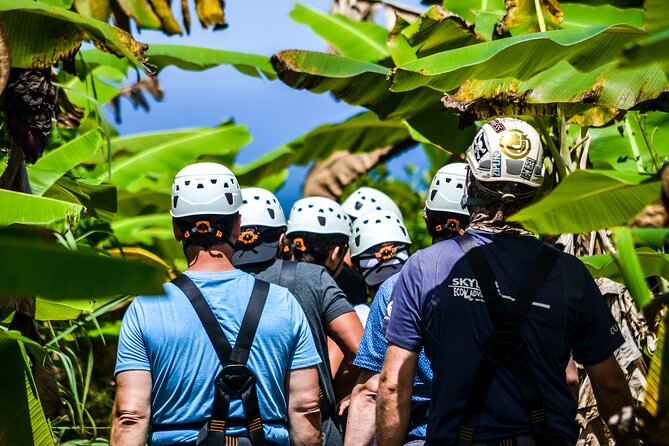
Many zipline courses offer speed and height. This one adds a strong sense of place. The lines are named after traditional Hawaiian agricultural staples, and the guides explain native farming practices and current efforts to care for the land. Between lines, you may sample tropical fruit such as bananas and lilikoi.
That detail matters because you are not simply passing over trees. You are moving through a part of Hawaii shaped by rainfall, farming, valleys, and waterfalls. The setting near Honomu receives the kind of moisture that feeds the Hamakua Coast’s many cascades, and the course gives you views that are difficult to reach from public roads.
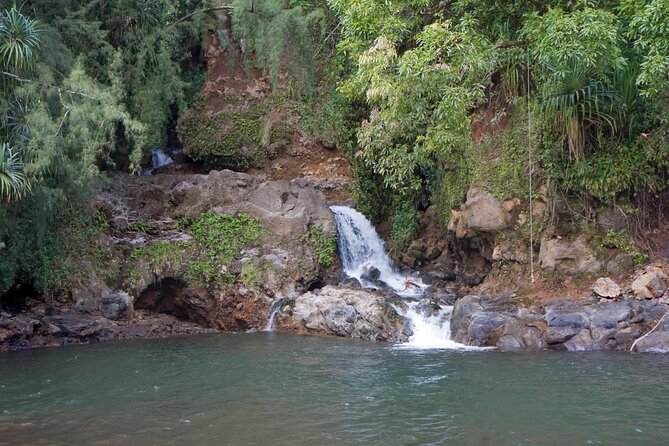
The aerial view is also different from the walk at Akaka Falls State Park. Here, you see ravines and waterfalls from above, with the Pacific often visible from the ridgelines. The main waterfall featured on the course is Kolekole Falls, while the activity takes place near the Akaka Falls area. Read the description carefully so you know which waterfall you will see from the zipline.
More Waterfall Zipline and Canopy Tours in Big Island:
- Big Island: 9-Line Waterfall Zipline Experience
★ 5.0 · 1,057 reviews - Umauma Falls 4-Line Zipline Experience
★ 4.5 · 52 reviews - Big Island: Full-Day Kohala Zipline and Waterfall Adventure
★ 4.8 · 36 reviews
Arriving in Honomu and Getting Ready
Your meeting point is at 28-1692 Old Mamalahoa Highway in Honomu. Check-in is required 30 minutes before your scheduled start, so build in extra time. The company strongly recommends renting a car or arranging transportation in advance because rideshare service can be unreliable in this remote area.
There is no hotel pickup or drop-off. If you are staying in Kona, the drive to the Hilo side is long, though one family described the trip as worth the effort for the views and the course itself. I would treat this as a full-day plan from Kona rather than squeezing it into a tight schedule.
At check-in, you sign a liability waiver and are weighed. This is not a minor formality. The minimum is 40 pounds and the maximum is 260 pounds, with no refund if you do not meet the limit when you arrive. Children under 18 also need a legal guardian’s signature.
Wear closed-toe sneakers or hiking shoes. Sandals, flip-flops, and loose beach footwear are not suitable. You should also be able to walk about half a mile over uneven terrain. The tour supplies the needed zipline equipment and rain gear, and the activity operates in rain or shine unless weather becomes extreme.
The First Lines Build Confidence
The course uses seven lines, beginning with shorter and slower runs. This is good design for first-timers. You learn how the harness feels, how to position your body, and how to listen to the guide before the course asks for more speed or distance.
Safety is treated as a repeated process rather than a quick speech at the start. Guides check the harnesses, test the setup, and give a small practice run before sending you farther out. Several families appreciated how the team helped nervous participants gain confidence instead of pushing them into the action too quickly.
The guides also keep the mood relaxed. Names mentioned by past participants include Rose, Ky, Bobby, Julia, Riley, Annabelle, Trey, Calista, Jules, Kai, and Bobbi, though your specific team will depend on the day. The consistent theme is friendly instruction with plenty of reassurance. For a first zipline, that can matter more than the raw height.
The early lines are not the main visual event. One person found the beginning of the course somewhat boring, and that is a fair point. If you are an experienced zipliner looking for immediate speed, the opening section may feel like a warm-up. For most people, though, the slower start helps the final lines feel bigger.
Hawaiian Agriculture Between the Platforms
Walking between lines gives the activity a cultural and educational side. The guides discuss traditional Hawaiian agriculture and explain why sustainable land practices still matter. The line names connect the course to staple crops rather than treating Hawaii as a collection of postcard views.
You may also get to taste local fruit while moving from one station to the next. Bananas and lilikoi were specifically praised, and small touches like this make the pauses useful rather than empty waiting time.
Do not expect a formal cultural tour with long lectures. The information is woven into the activity, usually in short explanations between the action. That works well here. You have time to look around, catch your breath, and understand something about the place without losing the rhythm of the course.
A few more waterfall trips around Big Island worth a look
- Big Island in a Day: Volcanoes Waterfalls Sightseeing and History
★ 5.0 · 6,569 reviews - Big Island Highlights: Coffee, Volcano, Black Sands & Waterfall
★ 5.0 · 1,054 reviews - Big Island Waterfalls Tour with Swimming and Botanical Garden
★ 5.0 · 513 reviews - Hawaii Volcanoes, Waterfalls, Beaches & Hilo Highlights Day Tour
★ 5.0 · 391 reviews
The Middle Lines Add Speed and Height
By the middle of the course, you should be comfortable sitting in the harness and following instructions. The lines become longer and more exciting, and the group begins to spread out between platforms. The guides continue checking each person before the launch, which can make the process feel reassuringly methodical.
This is also where the scenery starts to carry more weight. You may look across forested valleys, down toward waterfalls, or out toward the Pacific. The course crosses between ridgelines, so the view is not just straight down. You get a sense of the folds and open spaces of the Hamakua Coast.
The experience is private to your group, which can be useful for families or friends who want a shared outing without strangers taking over the day. The provided information does not give a fixed group size, so do not assume you will have a tiny party. Still, the private activity format means only your group participates in the booked experience.
The Final Zipline Above a Waterfall
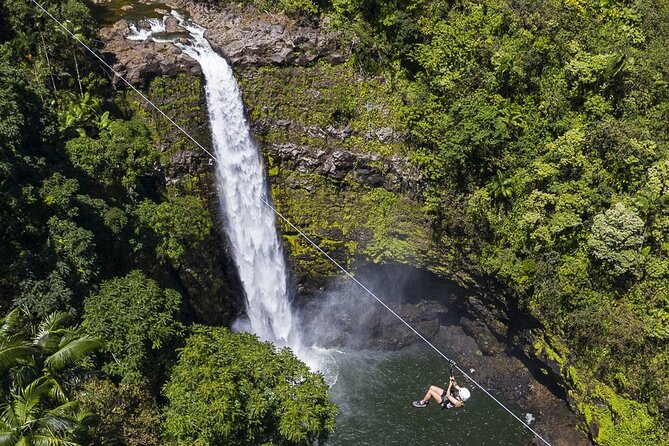
The last line is the reason many people consider this tour. After six progressive crossings, you take one of the longest ziplines in the United States, described as roughly a quarter mile or about half a mile in some practical descriptions. The supplied details consistently present it as the longest and most dramatic line on the course, so expect a substantial final run rather than a quick glide.
You cross directly above a 250-foot waterfall, with the Pacific Ocean completing the view beyond the ridgelines. This is the moment when the earlier practice pays off. The course has given you time to settle into the equipment, and now you can focus on the ravine, the water, and the scale of the setting.
The exact feeling will depend on weather, your position, and how comfortable you are with heights. Some people find the line thrilling; others may find the height more intimidating than the speed. The guides remain nearby to help with launching and landing, but you still need to be comfortable taking part in an aerial activity.
A practical note: you do not get a photography package with this tour. You may want to bring a camera only if it can be secured safely and is allowed by the operating team. The information provided specifically says no photography packages are offered, so do not book expecting professional photos afterward.
Safety, Comfort, and Physical Demands
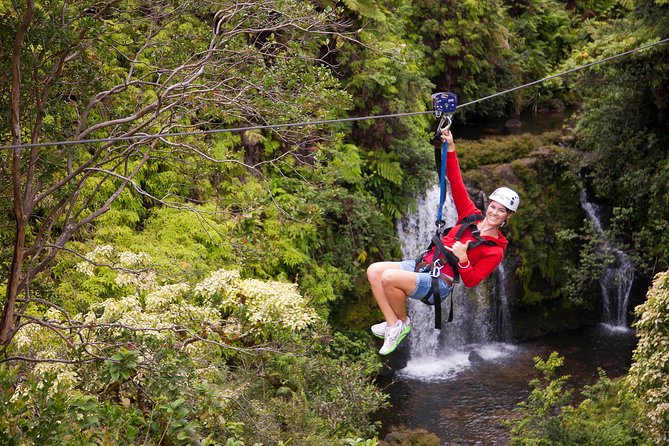
The tour suits many beginners, but it is not effortless. You need to walk half a mile over uneven terrain, stand at platforms, and manage the physical demands of wearing a harness. It is not recommended for people with neck, back, knee, or joint injuries, or for those with serious heart conditions.
Children can participate under specific rules. Anyone 12 or younger must be accompanied by an adult age 13 or older. Children weighing 40 to 69 pounds ride tandem with a certified guide on lines five through seven. The age and weight categories matter when booking, so check each person carefully before paying.
The course is suitable for families with children, teenagers, adults, and older participants who meet the physical requirements. People in their mid-60s have enjoyed it, particularly because the lines increase in difficulty instead of starting with the most intimidating crossing.
Rain is part of the normal Hilo-side climate, and tours operate in wet weather. Rain gear is provided. If extreme weather forces a cancellation, you can choose another date or receive a full refund. That policy is useful on the Big Island, where conditions can change quickly, but ordinary rain should not be treated as a reason to assume the tour will stop.
Is $246 a Good Value?
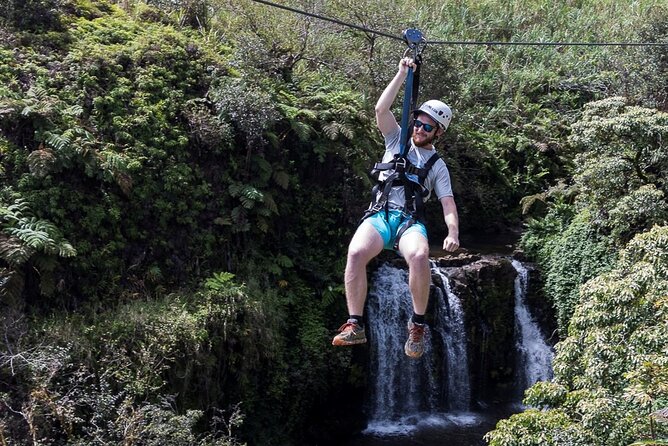
At $246 per person, this is not a budget activity. The cost covers about two and a half hours, equipment, professional instruction, safety checks, the seven-line course, and access to private scenery near a major waterfall. It does not include transportation, hotel pickup, meals, or a photography package.
I think the value depends on what you want from your Big Island trip. If you only want a quick thrill, a lower-priced zipline elsewhere may make more sense. If you want a carefully paced first experience with a major scenic finale, the price is easier to defend.
The cultural explanations and fruit tasting also add value, though they should not be the only reason you book. The central attraction is the setting and the final crossing. You are paying for the combination of aerial views, waterfalls, instruction, and access to land you cannot casually walk into from a public trail.
The tour is often booked well ahead, with an average booking window of about 27 days. That suggests planning early, especially if your itinerary has fixed dates. Free cancellation is available up to 24 hours before the start time. Inside that window, the amount paid is not refunded.
Who Will Enjoy This Most?
I would recommend this experience to first-time zipliners, families with older children, couples seeking one memorable adventure, and anyone who wants a different view of the Hamakua Coast. The gradual course design gives nervous participants room to adjust, and the final waterfall line rewards those who stay with it.
It also works well for repeat zipliners who care about scenery. The early lines may not impress an expert, but the final crossing above a 250-foot waterfall is unusual enough to justify the outing.
I would think twice if you dislike heights, have relevant injuries, cannot walk on uneven ground, or are trying to keep your vacation spending low. I would also avoid treating this as a casual stop between Kona and Hilo. The remote location, early check-in, and two-and-a-half-hour duration deserve a proper place in your schedule.
Should You Book the Big Island Waterfall Zipline?
Book it if you want a well-paced family adventure with a genuinely memorable finale. The staff’s calm instruction, repeated equipment checks, and friendly humor make it approachable for beginners. The best guides do more than manage the hardware: they help nervous people relax and add useful context about Hawaiian agriculture and the area.
Skip it if you want a cheap, quick activity or if the weight, footwear, transportation, and walking rules create problems. For everyone else, the final flight above the waterfall is a strong reason to make the trip to Honomu. It is a costly outing, but one of the more distinctive ways to experience the Big Island’s wet, dramatic Hamakua Coast.
FAQ
Where does the zipline tour meet?
The meeting point is 28-1692 Old Mamalahoa Highway, Honomu, Hawaii 96728. The activity ends back at the same meeting point.
How long does the experience last?
The tour lasts approximately two hours and 30 minutes. You must check in 30 minutes before your scheduled tour time.
Is the tour on the Big Island or Oahu?
It is on Hawaii Island, also called the Big Island. It is not in Honolulu, Waikiki, or on Oahu.
Do I need previous ziplining experience?
No. Professional instruction and all necessary equipment are included, and the lines increase gradually from shorter to longer crossings.
What are the weight requirements?
All participants must weigh at least 40 pounds and no more than 260 pounds. You will be weighed at check-in, and no refund is issued if you do not meet the requirements.
Can children participate?
Yes. Children age 12 and under must be accompanied by an adult age 13 or older. Children weighing 40 to 69 pounds ride tandem with a certified guide on lines five through seven.
What should I wear?
You must wear closed-toe sneakers or hiking shoes. The tour operates in rain or shine and provides rain gear.
What happens if the tour is canceled because of weather?
If extreme weather causes the cancellation, you can choose an alternative date or receive a full refund. You can also cancel your booking for a full refund if you do so at least 24 hours before the experience begins.
Just added around Big Island
- Volcano, Chocolate and Waterfalls of the Big Island★ 5.0 · 238 reviews
- Volcano Adventure Tour & Waterfall – Shore Excursion from Hilo Harbor★ 4.0 · 10 reviews
- Hilo-6 Hour Private Tour-Volcanoes NP, Rainbow Falls and more.★ 5.0 · 16 reviews
- Waterfall Rappelling at Kulaniapia Falls: 120 Foot Drop, 15 Minutes from Hilo★ 5.0 · 80 reviews
- Umauma Falls 4-Line Zipline Experience★ 4.5 · 52 reviews
- Private Big Island Tour: Coffee, Beaches, Volcanos, Waterfalls★ 5.0 · 54 reviews
- Kohala Waterfalls with Exclusive Landing Helicopter Tour★ 5.0 · 19 reviews
- Private Hilo Shore Excursion to Volcano Waterfall and Black Sand★ 5.0 · 9 reviews
Waterfall Zipline & Canopy Tours, compared.
Outdoor Ziplining, Waterfalls & Speed boat in Puerto Vallarta
Read our review →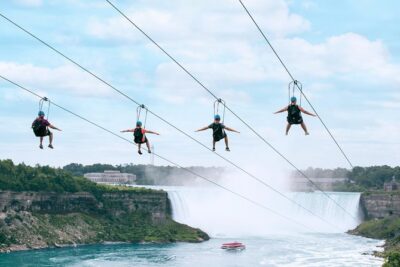
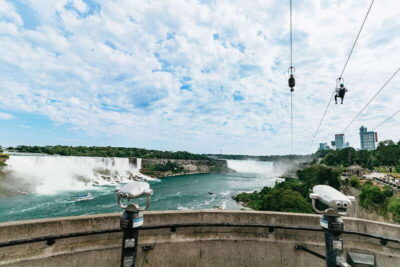
Zipline To The Falls in Niagara Falls, Canada
Read our review →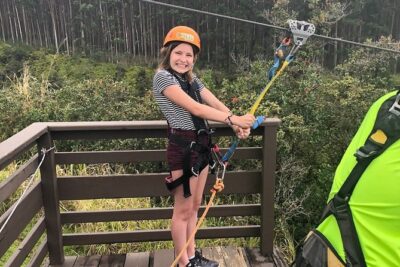
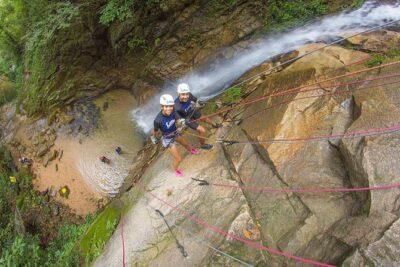
Full-Day Zipline and Waterfall Rappelling Adventure Near San Juan
Read our review →Samui Zipline FLY & Fun Tree Bridge Jungle Cafe & Waterfall
Read our review →
Browse the lists this tour appears in