
REVIEW · CHIANG RAI (PROVINCE), THAILAND
Chiang Rai Trek: 4 Hilltribes Villages & Waterfall Only Walk
Village life comes with muddy shoes. This Chiang Rai trek links Lisu, Chinese, Akha, and Lahu communities with forest paths, farm fields, a tea plantation, and Huay Kaew Waterfall. I like the mix of hands-on cooking in a bamboo hut and time in the countryside, rather than a day spent only looking at village homes from a vehicle. I also like that the guide explains edible plants, herbs, local customs, and mountain life as you walk.
The main caution is the physical effort. The route covers about 10 kilometers and takes roughly five hours of walking, with some steep uphill sections and no flat, easy path throughout. Pick-up may run late, too, so do not plan a tight morning connection after the tour.
What makes this Chiang Rai day special
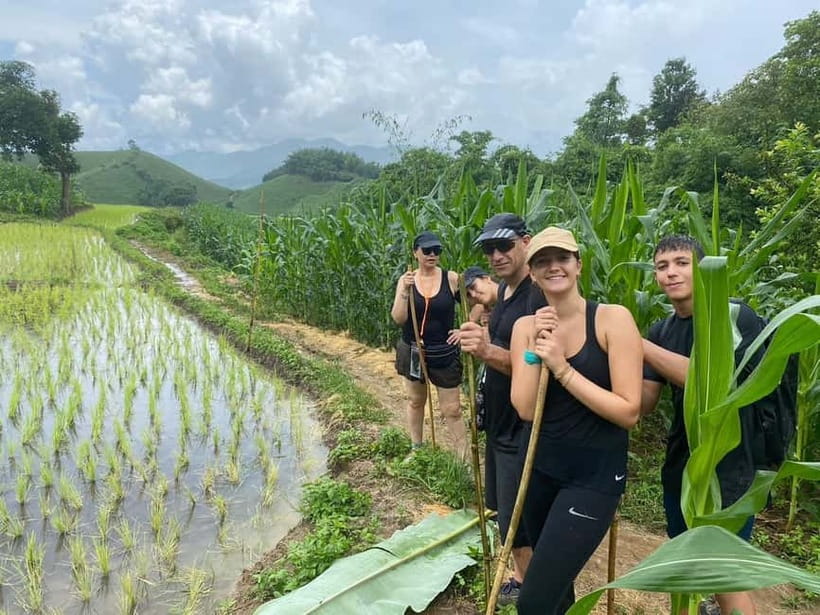
- Four hilltribe communities in one walk: Visit Lisu, Chinese, Akha, and Lahu villages while moving through their farms and forest surroundings.
- Lunch cooked over firewood: Help prepare food in a traditional bamboo kitchen, with no LPG stove.
- A real swim stop: Huay Kaew Waterfall is described as the second largest waterfall in Chiang Rai, and swimwear is worth packing.
- Tea fields in a Chinese village: The tea plantation adds a farming story to the village visits.
- Plants are part of the tour: The guide points out edible leaves, herbs, spices, fruits, and useful forest plants.
- Hot spring finish: The walk ends with a mineral bath before the drive back to Chiang Rai.
From Chiang Rai to Lam Nam Kok National Park
The day begins with hotel pick-up in Chiang Rai and a drive toward the trekking area in Lam Nam Kok National Park. The tour starts and ends in Chiang Rai, with transport included in the $82 price.
Pick-up timing deserves a practical note. The stated window can be around 8:30 to 9:00, but one person waited until about 9:15. That is not a disaster, but it is long enough to be annoying if you are standing outside with your day bag. I would keep the morning free and confirm the pick-up details directly, especially if your hotel is outside the normal service area.
The group is described as small, which matters on a forest walk. A small party makes it easier to ask questions, cook together, and keep a sensible pace. It also makes the village visits less like a parade arriving all at once.
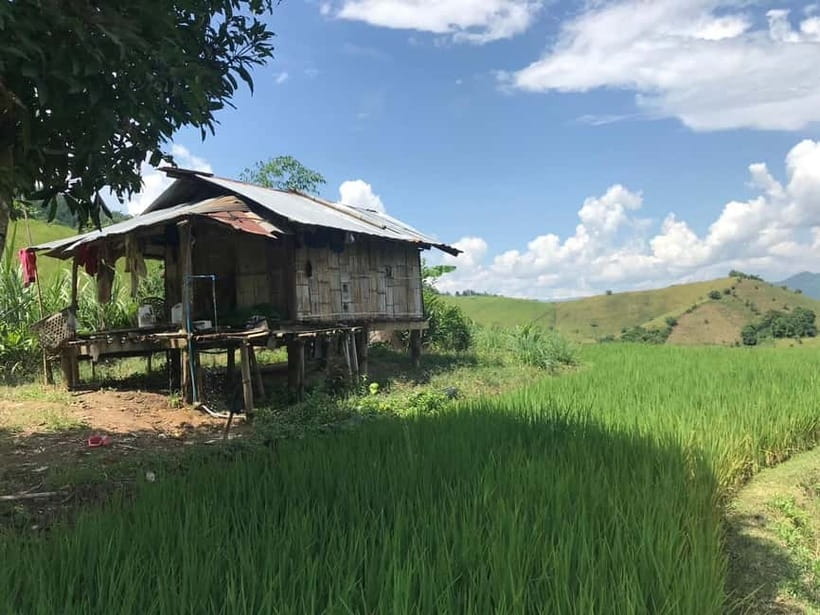
The route begins at a hot spring, but the main bathing time comes at the end. From there, you walk into forest and bamboo woodland toward the first village. Expect a rural route rather than a paved attraction with signs and railings. That is part of the appeal, but it also means uneven ground, uphill sections, and changing surfaces underfoot.
More Waterfall Hikes in Thailand
- Khao Sok: Private Waterfalls and Wildlife Half-Day Trek
★ 4.5 · 337 reviews - Chiang Mai: Full-Day Jungle Trek, Tubing & Waterfall Adventure
★ 5.0 · 216 reviews - Trekking to Waterfall Adventure Tubing 45 mins. (Only Khao lak)
★ 5.0 · 111 reviews
Walking into the Lisu village
The first village on the route is Lisu. The walk gives you a gradual introduction to the area, moving through forest and bamboo before reaching village life.
The value here is not simply checking off a name. Your guide explains the way people live in the mountain communities and points out plants along the trail. Several parts of the day focus on useful vegetation, including edible plants, herbs, leaves, fruit, and spices found around farms and forest.
This is where a guide makes a real difference. Without explanation, a leaf is just a leaf. With local knowledge, the walk becomes a lesson in what can be eaten, what has practical use, and how the surrounding land supports village life. The guide is also praised for being friendly, attentive, humorous, and respectful toward local communities.
You should not expect a museum-style presentation or a formal cultural performance. The experience is more direct and ordinary: walking through village areas, seeing farm work, and hearing about local customs as the route unfolds. That feels more useful if you want a grounded look at northern Thailand.
Cooking lunch in a bamboo kitchen
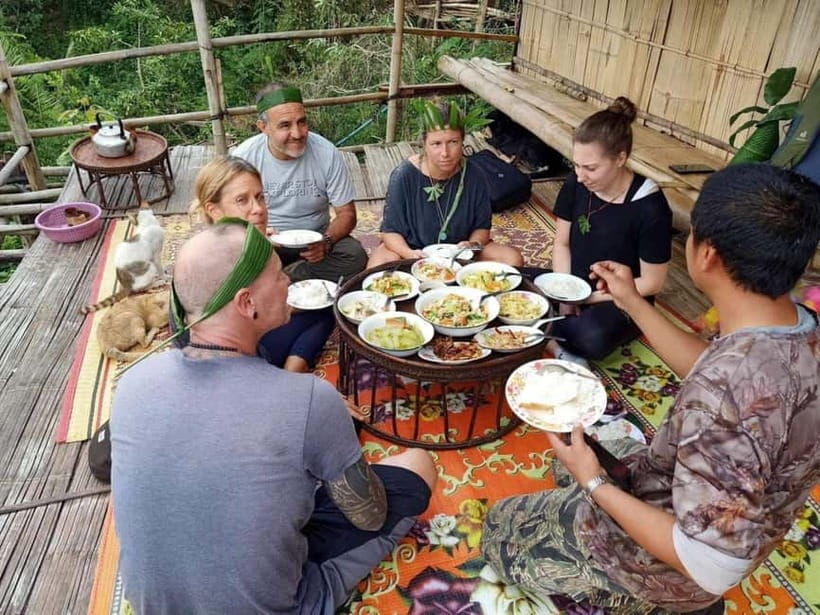
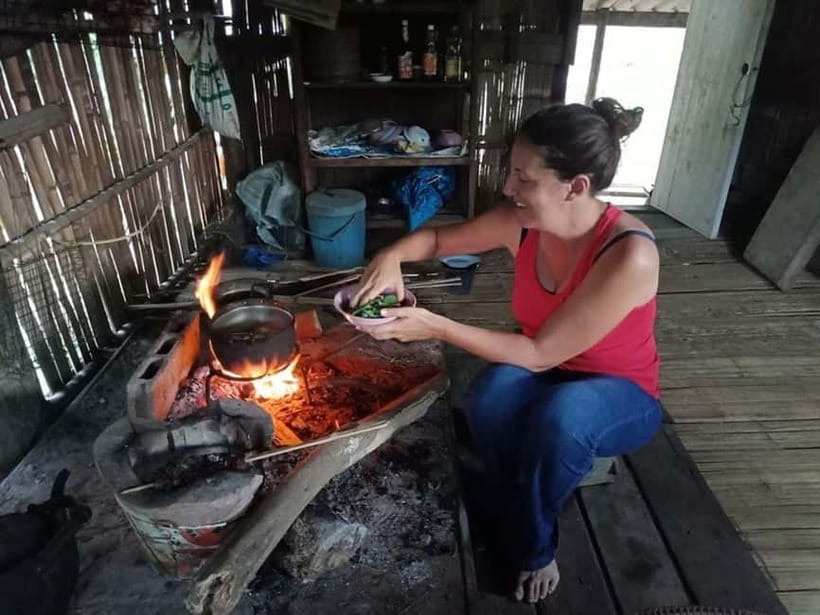
Lunch is one of the strongest parts of the tour. At a bamboo hut in the hilltribe village, you help prepare food in a traditional kitchen using firewood rather than an LPG stove.
This is not just a meal break. It gives you something to do with your hands and shows how food is prepared in a mountain setting. The cooking also creates a natural chance to talk with the guide and local people instead of standing at the edge of a village taking photographs.
The food is described as delicious, with opportunities to try ingredients gathered from the surrounding area. The guide may introduce you to freshly picked pineapple, leaves, herbs, and other plants. The exact menu is not specified, so do not arrive expecting a particular dish.
I especially like this part for anyone who wants the day to feel active and personal. You are not simply being served lunch in a restaurant. You are taking part in a small piece of daily life, with smoke, firewood, bamboo, and the usual lack of restaurant-style polish. If you prefer a quick, predictable meal, this slower approach may test your patience. For most people, it is worth the extra time.
Tea, farms, and the Chinese village
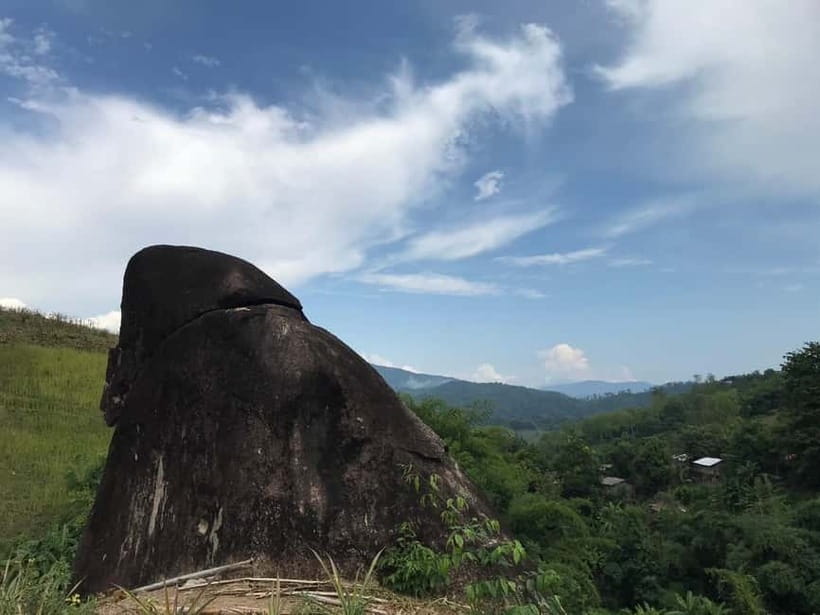
After lunch, the walk continues to a Chinese village and tea plantation. This section adds variety to the day. You move from bamboo forest and village paths into cultivated land, with tea, pineapple, rice, coffee, and chocolate fields mentioned along the route.
The tea plantation is not presented as a grand estate or a formal tasting attraction. Its appeal is seeing how agriculture fits into the communities you are visiting. The guide can explain plants and farming as you go, making the fields part of the story rather than scenery passed from a car window.
You may also taste fruit and plants along the way. That can be one of the most enjoyable details of the walk, but keep in mind that the selection will depend on what is available that day. The experience is tied to the land and season, not a fixed tasting menu.
The route through the farms also gives you a better sense of distance and work. Villages are not isolated postcard displays. They are connected to fields, paths, water, and forest. The walk shows those connections clearly.
Same trip, a different kind of day out:
- Chiang Mai: Elephant Sanctuary, Waterfall & Bamboo Rafting
★ 4.9 · 9,160 reviews - Chiang Mai: Elephant Sanctuary & Waterfall Group Tour
★ 4.9 · 5,780 reviews - Chiang Mai: Elephant Sanctuary, Long Neck & Sticky Waterfall
★ 4.9 · 2,262 reviews - Doi Inthanon Waterfall and Royal Project Chiang Mai
★ 5.0 · 1,735 reviews
Huay Kaew Waterfall and the best cool-down
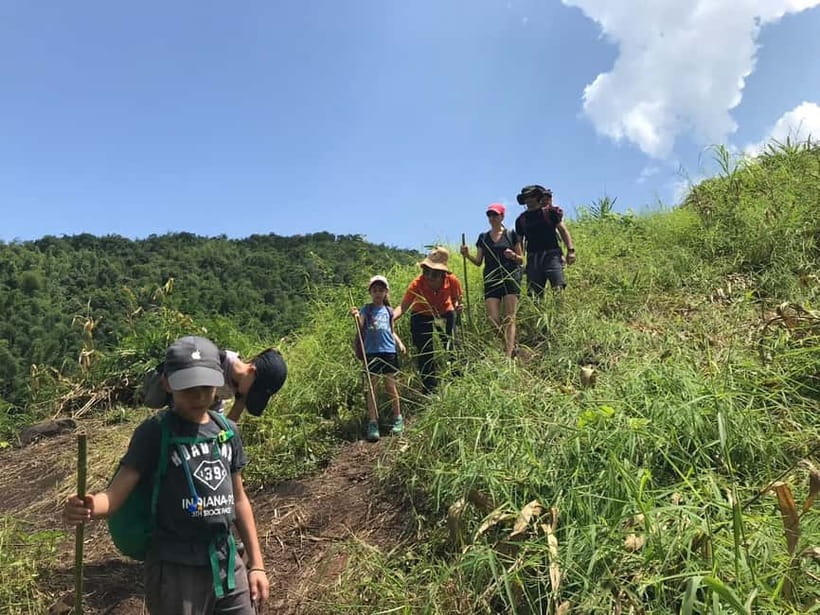
The route continues to Huay Kaew Waterfall, identified as the second largest waterfall in Chiang Rai. This is the main chance to swim, so pack swimwear and a change of clothes.
A waterfall stop after several hours on foot makes excellent sense. It breaks up the walking and gives you time to cool off before the final villages. The water may be the day’s most welcome luxury, especially in warm weather.
Do not assume this is a polished swimming pool. Natural waterfall conditions can vary, and the tour information does not provide details about changing rooms, water depth, or safety equipment. Bring a simple towel if you have room, along with a waterproof bag for wet clothing.
The stop is also a good reason to choose this tour over a standard village drive. You get a physical reward for the walk, not just another viewpoint. Still, if swimming is important to you, ask the provider about current conditions before departure.
Akha farms and the Lahu village
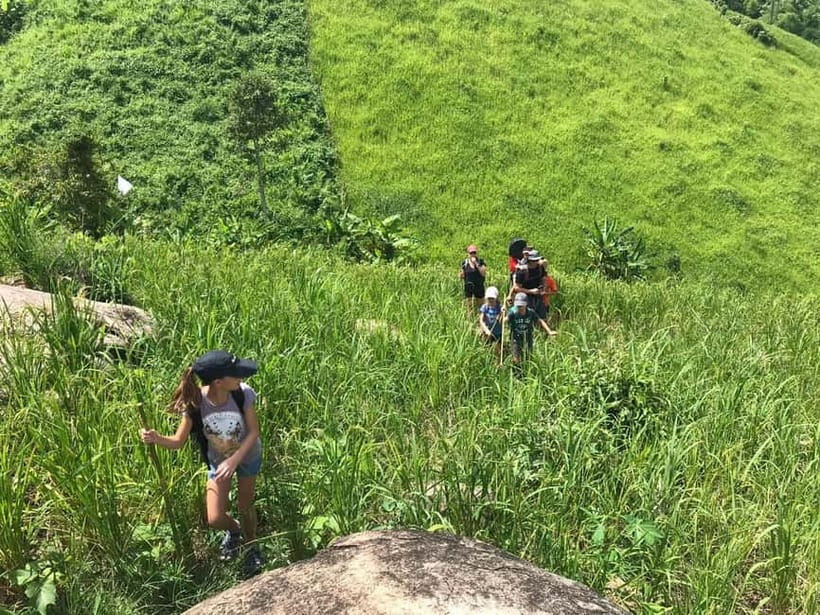
After the waterfall, the trail continues to an Akha village and nearby farmland, then on to a Lahu village. This is the most demanding part for some people because the day has already included several hours of walking.
The Akha section includes farm land and broad countryside views. The route is not flat, and one account describes the walk as about 10 kilometers with some steep uphill stretches. Active people should find it manageable, but this is not a gentle stroll for anyone with poor mobility.
The Lahu village comes later, giving the final part of the walking route another cultural stop before the return to the hot spring. The four communities are not treated as identical. Moving between Lisu, Chinese, Akha, and Lahu areas lets you notice differences in village setting, farming, and local traditions, while the guide supplies the context.
I would focus less on collecting photographs of people and more on listening, observing, and following the guide’s lead. This is a community-based experience, and respectful behavior matters. Alcohol and drugs are not allowed, and pets are not permitted on the tour.
A mineral bath before Chiang Rai
The route returns to the hot spring where the day began. Here you can take a mineral hot bath before riding back to your hotel.
This ending works well because the tour finishes with rest rather than another demanding activity. After forest paths, hills, and a swim, warm water gives your legs a chance to recover. It also makes the day feel complete, with both a cool waterfall stop and a hot spring finish.
The order is worth noting: you do not spend the whole day soaking at the beginning. The hot spring is the final reward after the walk. If you have sore knees or dislike heat after exercise, you may prefer a shorter bath, but the option is there.
The return to Chiang Rai is by car. Total timing is described as around eight hours for the full day, though the walking itself is about five hours. Build in room for traffic, pick-up delays, and the pace of the group.
What the $82 price includes
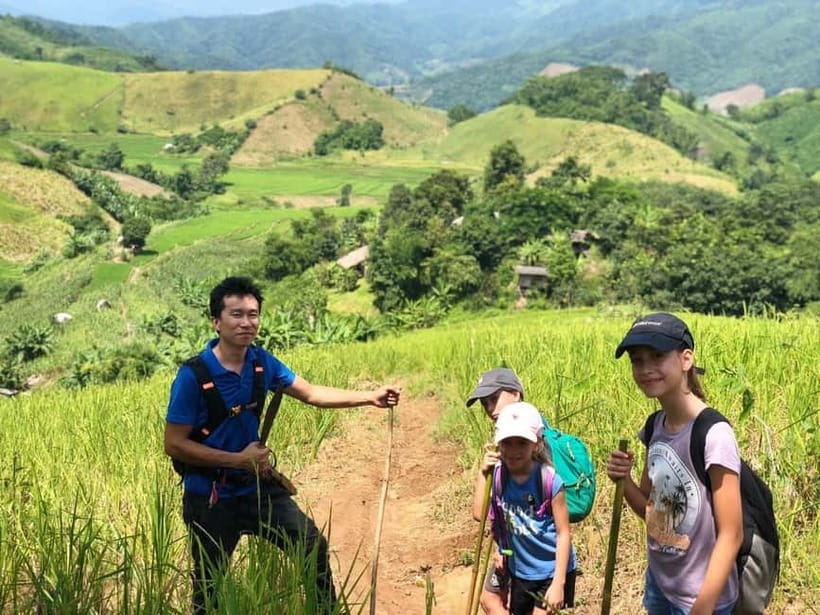
At $82 per person, this is not the cheapest way to see the countryside around Chiang Rai. It does, however, bundle several separate experiences into one day:
- Hotel transportation within the normal Chiang Rai pick-up area
- An English-speaking guide
- Lunch
- Drinking water
- Travel insurance
- The guided trekking program
The value comes from the guide and the variety. You are getting transport, a five-hour route, village visits, a cooking activity, a waterfall, a tea plantation, and a hot spring. Arranging each piece separately would be difficult, especially if you do not know the local roads or trails.
The price makes less sense if you mainly want a short waterfall visit or a quick photo stop at a village. You are paying for the full day and the interpretation along the way. I would choose it when you want one active day that combines nature, food, farming, and local culture.
Other expenses are not included, so carry some money for anything outside the stated package. The tour includes drinking water, but bringing your own bottle is still sensible.
Who should book this walk?
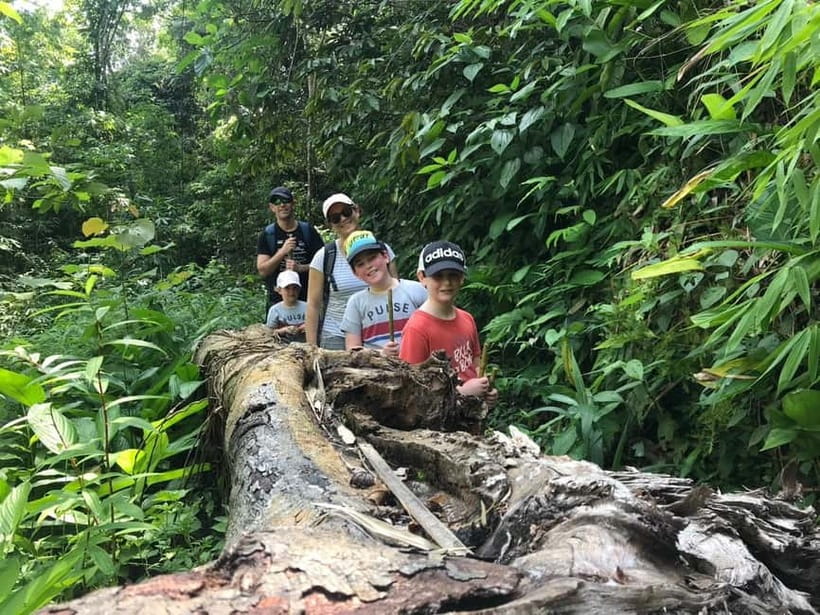
This tour suits you if you:
- Enjoy five hours of walking on uneven and hilly paths
- Want a small-group outing rather than a large bus tour
- Like learning about plants, food, farms, and village customs
- Are happy to take part in cooking rather than only being served
- Want time to swim and soak in a hot spring
- Prefer a countryside experience over heavily staged attractions
It is not suitable for children under 10, wheelchair users, or people over 70 according to the tour information. That does not mean every younger or older person will have the same ability, but the distance, hills, and rough paths should be taken seriously.
Bring a hat, swimwear, spare clothes, drinking water, and insect repellent. Wear shoes suited to dirt paths and uphill walking. Since the route can be wet or muddy, leave your best sandals at the hotel.
Should you book the Chiang Rai hilltribe trek?
I would book this tour if you want a full, active day with real variety. The strongest features are the firewood cooking, the guide’s plant knowledge, the waterfall swim, and the chance to walk between several communities instead of viewing them from a vehicle.
I would skip it if you need a flat route, a strict timetable, or a polished cultural show. The pick-up may be late, the walking is longer than the title might suggest, and the experience depends on accepting rough paths and a flexible pace.
For fit adults who want to see a more rural side of Chiang Rai, the $82 price is reasonable. Bring patience, sturdy footwear, and curiosity. The bamboo kitchen and hot spring are nice bookends, but the real reward is the long walk between them.
FAQ
Where does the tour start and finish?
The tour starts in Chiang Rai and ends in Chiang Rai. Pick-up is available within the stated service area, and you should contact the provider if you are staying outside that area.
How long is the walking portion?
The total walk is about five hours. The route is approximately 10 kilometers and includes some steep uphill sections and uneven paths.
Which villages does the tour visit?
The route includes Lisu, Chinese, Akha, and Lahu hilltribe villages.
Is lunch included?
Yes. Lunch is included and is prepared in a traditional hilltribe bamboo hut kitchen.
How is the lunch cooked?
The meal is cooked over firewood in a traditional kitchen. The tour description specifies that no LPG is used.
Can I swim during the tour?
Yes. You can swim at Huay Kaew Waterfall, so bring swimwear and a change of clothes.
Is there a tea plantation visit?
Yes. The route visits a tea plantation in the Chinese village.
Does the tour include a hot spring?
Yes. The day begins and ends at a hot spring area, with time for a mineral hot bath before returning to Chiang Rai.
What language does the guide speak?
The tour is offered with an English-speaking guide.
Is the tour suitable for children and wheelchair users?
It is not suitable for children under 10 or wheelchair users. It is also listed as unsuitable for people over 70 because of the walking demands.
More Waterfall Walks in Thailand
- Chiang Mai Untouched Elephant: Nature Walk & Waterfall Trek
★ 4.7 · 77 reviews - Chiang Rai: 2-Day Jungle Trek only walk with Waterfall
★ 4.8 · 17 reviews - From Sydney: Blue Mountains Tour with Waterfall Walk & Lunch
★ 4.8 · 2,400 reviews - Krka Waterfalls tour with Trogir Walking tour and Krka panoramic boat cruise
★ 5.0 · 1,659 reviews
Just added around Thailand
- Waterfall Wanderer Doi Inthanon Hiking Tour★ 5.0 · 15 reviews
- Trek to a Jungle Waterfall★ 5.0 · 14 reviews
- Sticky Waterfall Cycling Tour★ 5.0 · 68 reviews
- Sticky Waterfalls Private Half Day Fun Escapades★ 4.5 · 8 reviews
- Private tour Chiang Dao cave ,Temples,Sticky waterfall★ 5.0 · 14 reviews
- Private Doi Suthep Temple Handicraft Center and Sticky Waterfall★ 5.0 · 9 reviews
- Private tour] Perfect day! Sticky waterfall + ChiangDao Cave + Wat BandenTemple★ 4.5 · 6 reviews
- Sticky Waterfall Chiang Mai and Mae Ngat Boat Tour★ 5.0 · 19 reviews
Waterfall Hikes, compared.

Ourika Valley Trip with Waterfall Hike & Lunch
Read our review →
ourika valley lunch & guided hike to waterfalls
Read our review →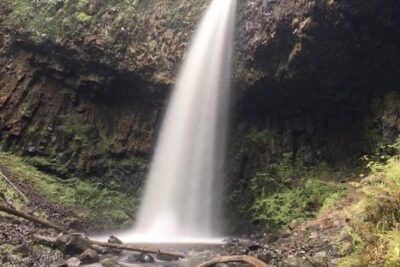
Multnomah Falls and Columbia River Gorge Half-Day Hiking Tour
Read our review →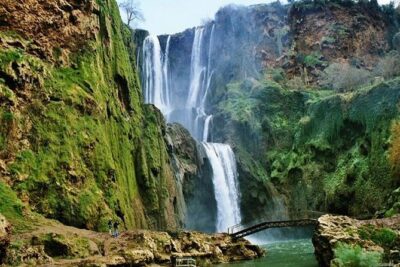
Ouzoud Waterfalls Guided Hike and Boat Trip from Marrakech
Read our review →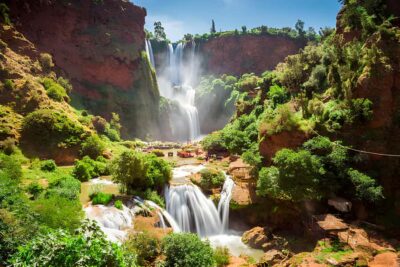
Ouzoud Waterfalls Trip with Hike & Boat Option
Read our review →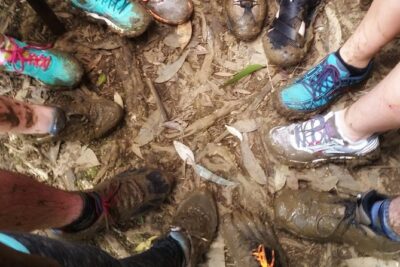
Small Group Waterfall and Rainforest Hiking Adventure on Maui
Read our review →Browse the lists this tour appears in