
REVIEW · DONG BAC, VIETNAM
From Sapa: Waterfalls, Trekking and Tribal Villages Tour
Waterfalls, rice terraces, and village trails make one full day. This Sapa outing combines Silver Waterfall, Love Waterfall, Tram Ton Pass, and a long mountain walk through Hmong and Red Dzao communities. I like the mix of grand scenery and everyday village life, especially the picnic lunch with local hosts and the chance to learn about textile work and family traditions.
I also like that the tour uses a private car for the road sections and keeps the group to no more than 15 people. Guides such as Lisa, Cu, Lan, Sue, and A have been praised for warm conversation, local stories, flexible pacing, and help with photographs. The main caution is the walking distance: the route is described as about 15 kilometers, while one account measured closer to 17 kilometers, with steep sections. This is not a gentle village stroll for everyone.
The tour costs $72 per person and lasts about five hours, including transfers and the waterfall visits. That is fair value if you want transport, entrance fees, a guide, lunch, and two bottles of water in one package. Just remember that the published timing may be optimistic. Some outings took about five hours for the trek alone, while others had a shorter walking route.
Key points to know before booking
- Two very different waterfalls: Silver Waterfall offers a powerful roadside attraction, while Love Waterfall requires a longer walk through the national park.
- A real mountain trek: Expect rice paddies, cornfields, bamboo forest, village paths, climbs, and descents rather than a flat country walk.
- Cultural contact without a fixed show: You visit Hmong and Red Dzao communities, learn about daily life and textile traditions, and share lunch in a local setting.
- Guide quality matters: Guides including Lisa, Cu, Lan, Sue, and A have been praised for clear English, local stories, kindness, and route flexibility.
- Weather can change the day: Fog may hide the rice terraces, while recent rain can make the waterfalls especially impressive.
- Pack for a real hike: Hiking shoes, sunscreen, insect repellent, a raincoat, warm layers from November through March, and a small daypack are all sensible.
Leaving Sapa for Silver Waterfall and Love Waterfall
The morning begins with pickup at your hotel lobby in Sapa Town. You meet the English-speaking guide and driver, then ride for about 30 minutes toward Hoang Lien National Park.
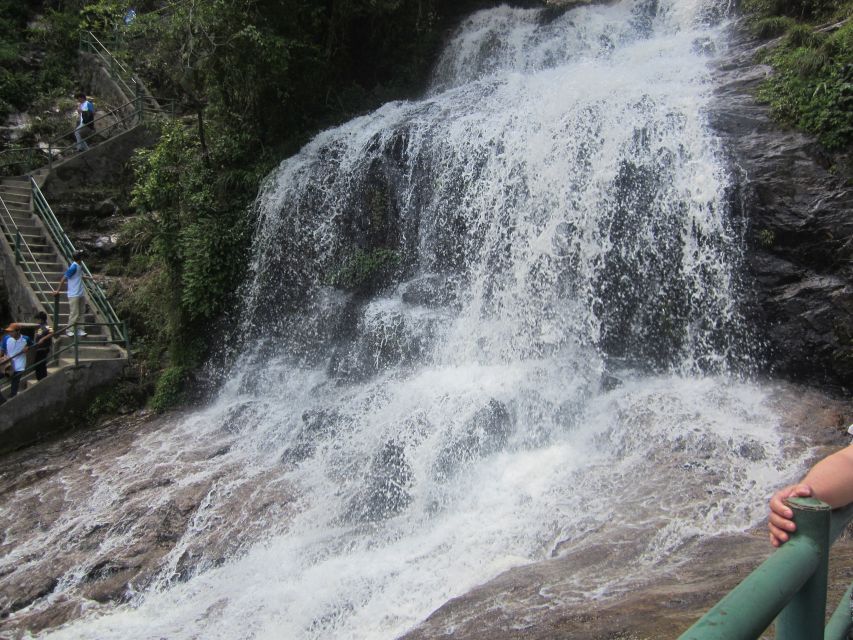
Silver Waterfall is the easier first stop to understand. Water pours down the mountainside in a dramatic rush, and the climb or walk toward it gives you a close look at the force of the water. One outing described the return walk to the waterfalls as roughly four kilometers in total, so do not assume you will simply step out of the car and take one picture.
Love Waterfall has a different feel. The walk to it is part of the appeal, with forest scenery and a quieter setting. Recent heavy rain can make both falls much larger and louder. In dry conditions, the flow may be less dramatic, but the forest walk and mountain setting still give the stop value.
Tram Ton Pass adds a broad mountain viewpoint before the trek begins. Fog is common in Sapa’s high country, and it can block the long views. That is not necessarily a wasted stop, but you should keep your expectations flexible. On a clear day, the pass helps explain the scale of the mountains around Sapa. On a cloudy day, you may get a moody, mist-covered scene instead.
The waterfall portion is one of the tour’s strongest features because it gives you scenery before the more demanding walk. It also breaks up the day. You are not asked to hike for hours immediately after leaving town.
More Waterfall Hikes in Vietnam
- Trekking Tour to Hidden Waterfall & Sturgeon Farm for dog-lovers
★ 5.0 · 67 reviews - 2 Days Motorbike Tour Ban Gioc Waterfall & Mt. Angel Eye Hike
★ 5.0 · 46 reviews - Trekking to Hidden Waterfall & Sturgeon Farm for dog-lovers
★ 4.8 · 43 reviews
Ban Khoan begins the quieter part of the route
After the waterfalls and pass, the car continues to Ban Khoan, a traditional village and the starting point for the main trek. Here the tone changes. You leave the busy road and begin following mountain trails through farming areas and smaller settlements.
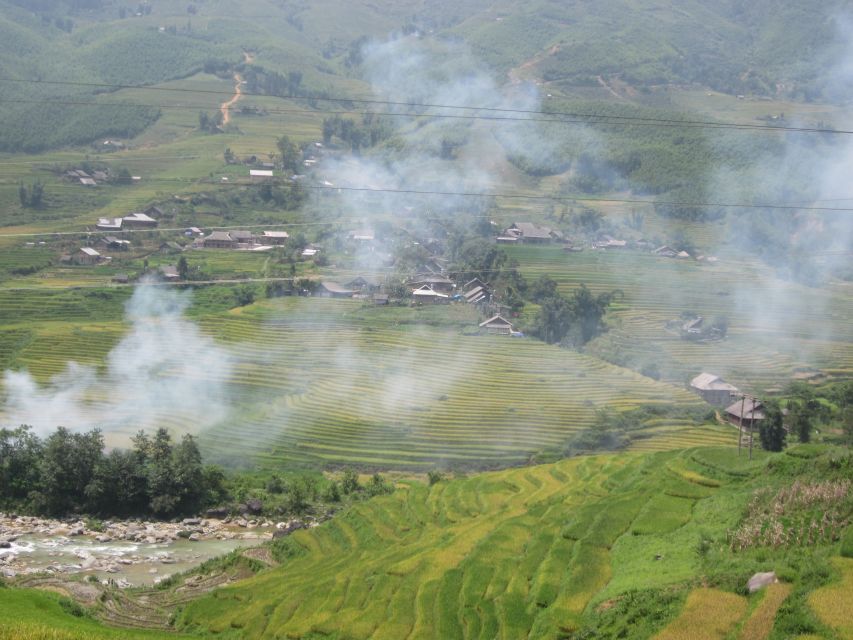
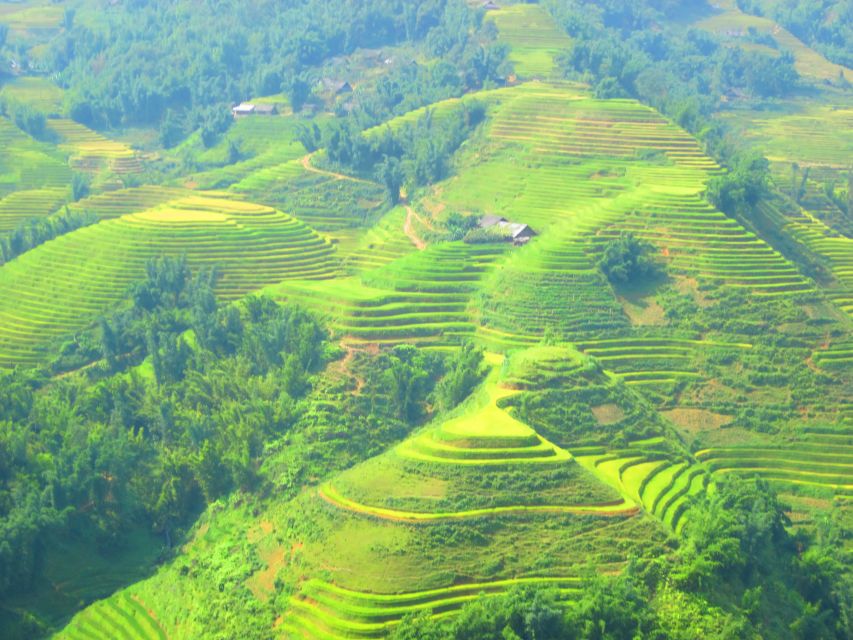
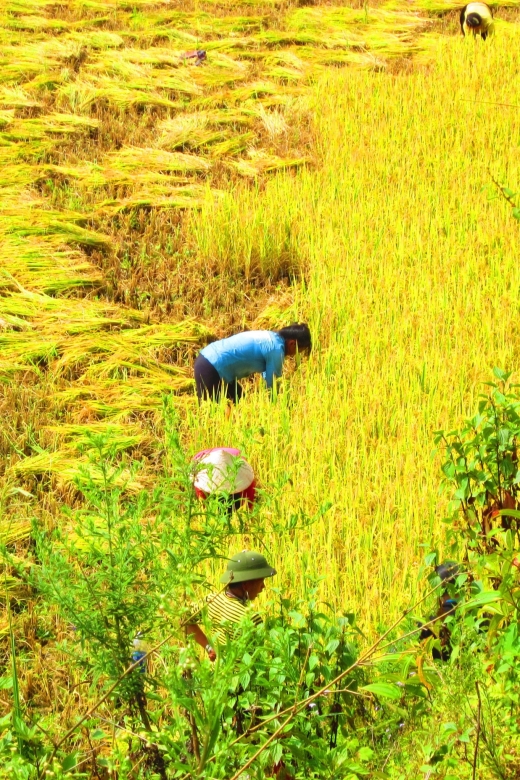
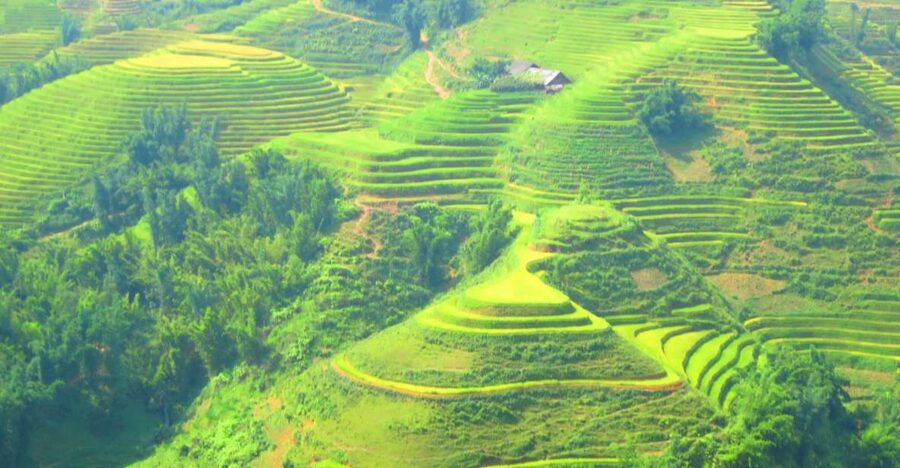
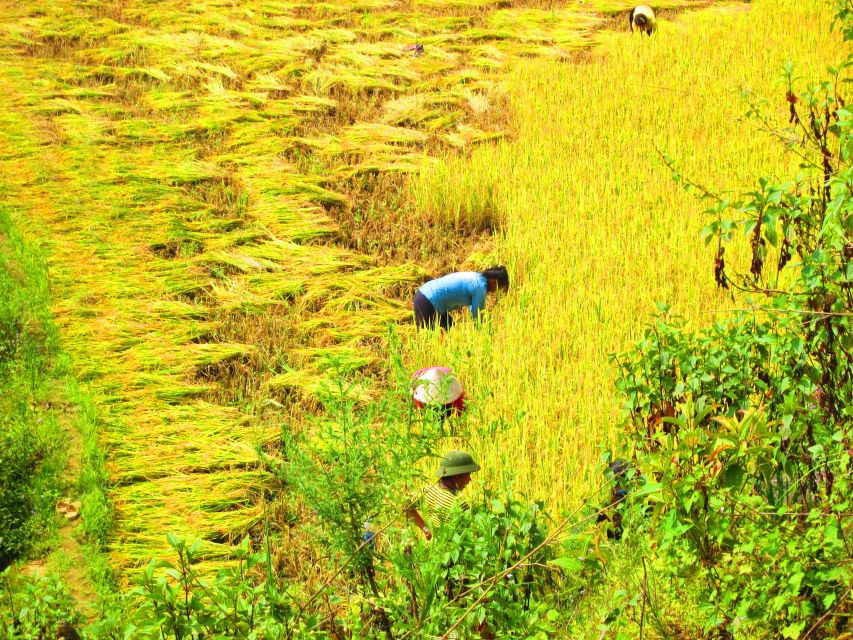
The route passes rice paddies, cornfields, bamboo forest, and remote villages. The exact appearance depends heavily on season and weather. Rice terraces may be bright and full, freshly worked, or less striking after harvest. Fog can soften the views, sometimes hiding the far ridges altogether.
I like this part because the setting is not built around a large attraction. You are moving through places where farming and household life remain the focus. The best moments may be simple ones: a view across a hillside, a narrow path through crops, or a guide explaining how local families use plants, clothing, and farm spaces.
The cultural side is also stronger when your guide gives context. Lisa was praised for sharing Hmong traditions and stories passed through generations. Cu was described as eloquent and entertaining, while Lan was appreciated for local facts and a good pace. Those details matter. Without a strong guide, a walk through villages can become a string of attractive views with little meaning. With one, you gain a better sense of how Hmong and Red Dzao communities live.
Four hours on foot means real effort
The route is promoted as roughly four hours and 15 kilometers. One account described about 17 kilometers of village trekking, separate from the walking around the waterfalls. Other outings were shorter, closer to three hours of walking, so the exact distance can vary with the guide, route, weather, and group.
That variation is worth taking seriously. Some descriptions call the walk moderate, while another account described repeated climbs and descents that proved very demanding. The safest approach is to prepare for the longer version. You can always finish early or take a gentler option if the guide adjusts the route, but you cannot wish away steep ground once you are on the trail.
A guest with a clear preference for an easier walk was happy with the pace and said the tour did not feel too intense. Another person, in much better hiking shape, found the route close to a serious full-day effort. That tells you who will enjoy this most: people comfortable walking on uneven mountain paths, not just anyone who can manage a city walking tour.
Wear shoes with a solid grip. Comfortable clothing is useful, but footwear matters more. Bring a small daypack rather than a large suitcase or heavy backpack. The essentials are water, sunscreen, insect repellent, a sun hat, rain protection, and personal items.
The weather can shift quickly. From November through March, add warm clothing. In warmer months, you may sweat during the climbs even if the morning begins cool and foggy. One useful tip from the route is not to over-dress for the mountain air. Layers let you adjust as the walking gets harder.
A picnic lunch in the village
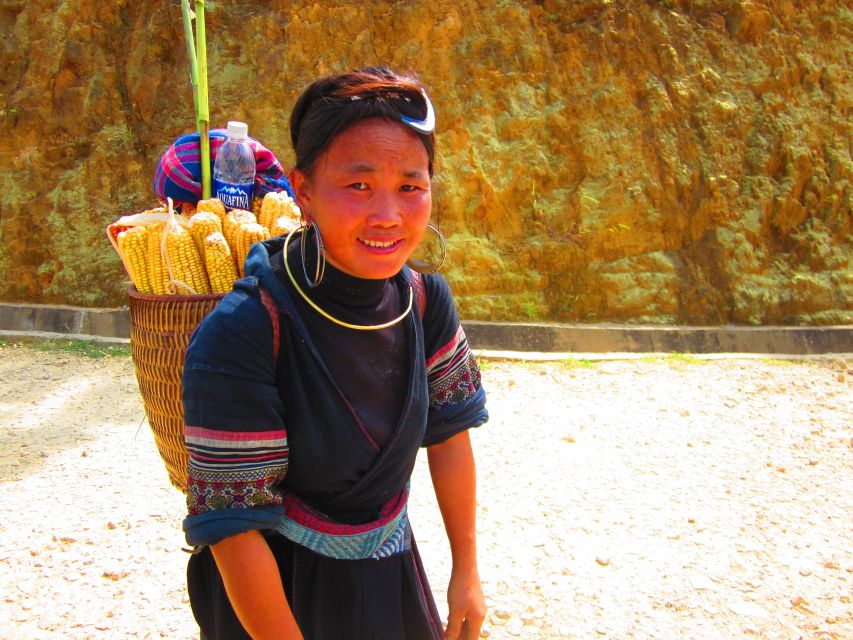
Lunch is included and is served during the trek or in a village setting. The meal may be prepared by the guide along the way or arranged by a local host, depending on the route. One outing included sandwiches, while another described a generous local spread. A vegan meal was also provided when requested.
Do not expect a restaurant meal with a printed menu. The value is in stopping with local people and having time to talk. You get a break for your legs, but also a chance to ask questions about food, work, clothing, and family life.
The lunch stop is not presented as a formal performance. That is a good thing. The cultural experience comes through conversation and explanation rather than a staged program. Still, the amount of interaction can depend on the day, the guide, and the local host. One outing had a quiet village walk and lunch without additional activities.
Be sensible and respectful. Ask before photographing people, homes, or textile work. Buy something only if you truly want it, not because you feel pressured. The supplied information points to textile traditions as an important part of the visit, but the purpose is learning about the community, not treating it like a market display.
Same trip, a different kind of day out:
- Da Lat Countryside Minivan Shared Tour (Three Waterfalls)
★ 5.0 · 1,894 reviews - Da Lat: 3 Waterfalls Tour (Datanla – Elephant – Pongour)
★ 5.0 · 1,840 reviews - Dalat: Three Waterfalls Small Group Tour – Alpine Coaster
★ 4.9 · 1,256 reviews - Dalat: 3 Waterfalls Day Tour — Datanla, Pongour & Elephant
★ 4.9 · 931 reviews
Ta Phin and the Red Dzao connection
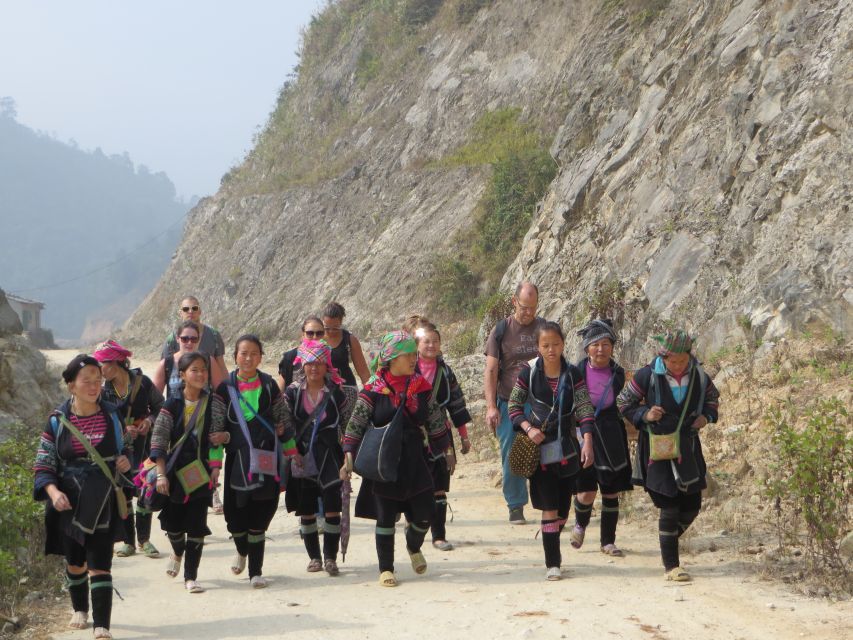
The route continues toward Ta Phin Village, home to the Red Dzao community. This is where the day’s two cultures come together most clearly. You begin among Hmong communities around Ban Khoan and then finish near a Red Dzao village.
The value of this stop is comparison without turning the people into exhibits. Your guide can explain differences in clothing, customs, and village life, while you see the setting for yourself. The details become more memorable when connected to the trail you have just walked and the homes and fields around you.
Ta Phin is also the endpoint for the walking portion, so the timing matters. If the route takes longer than expected, the final stretch may feel tiring. Plan to focus on steady progress rather than racing for photographs. The scenery will still be there, and a good guide can help set a sensible pace.
From Ta Phin, you meet the driver for the approximately 30-minute return to Sapa. After several hours on foot, the car ride is welcome. The tour ends back in town rather than at an overnight village stay, so it fits neatly into a wider Sapa visit.
The guide can make or break the day
The strongest praise for this experience goes to the local guides. Lisa was appreciated for excellent English, stories, and cultural explanations. Cu received high marks for being eloquent, funny, and pleasant company. Lan was praised for her facts, route control, and ability to offer choices. Sue kept the day interesting when fog reduced the views, and A adjusted the route to include different types of scenery.
That flexibility is useful in Sapa. Conditions can change quickly, and the best route on a clear day may not be the best route in heavy fog or rain. A guide who can adjust the pace or scenery can protect the quality of the day.
There is one practical weakness to keep in mind: organization may not always be perfect. A booking was once confirmed but had not been properly noted by the local office when the guest called ahead. The guide still arrived on time in that case, but it is sensible to confirm your pickup the day before.
The small-group limit of 15 people is helpful, though the experience may feel more personal when fewer people book. A private tour is also possible in some cases, as shown by the especially warm feedback from one private group. If personal pacing matters to you, ask about the group arrangement before paying.
Is $72 good value?
At $72 per person, the price covers an English-speaking guide, entrance fees, private car transfers, picnic lunch, and two bottles of mineral water. You are also paying for the convenience of combining three scenic stops with a village trek without arranging separate transport.
The value is strongest if you want a full, organized day and do not have your own driver. Hiring transport to the waterfalls and finding the trail from Ban Khoan would take work, and you would lose the local explanations. The guide is not just there to lead the path. The best guides add the cultural context that gives the walk purpose.
The price is less attractive if you want only a short hike or a quick visit to the waterfalls. You could find the distance and climbs too much for the return. The advertised five-hour duration also needs careful reading. It includes the whole outing, but descriptions of the walking distance are not entirely consistent.
Free cancellation up to 24 hours before the start and a reserve-now, pay-later option reduce the risk of booking too far ahead. Check the available start times, especially if you have a train or bus later that day. The tour does not include accommodation, insurance, or transport tickets to and from Sapa.
Who should book this Sapa trek?
I would choose this tour if you want three things in one outing: major waterfalls, mountain walking, and contact with local communities. It is a particularly good fit for someone who finds a standard viewpoint tour too shallow but does not want to arrange a multi-day trek.
You should be comfortable with uneven trails and sustained uphill and downhill walking. If you have limited hiking experience, ask whether a shorter route is available before you commit. The guide may be able to adjust the day, but the standard route should be treated as physically demanding.
This is also a good choice for photographers, with one warning: fog is part of Sapa’s weather, not a scheduling error. You may get soft mountain views instead of clear terraces. Rain, on the other hand, can make the waterfalls spectacular while making the trail more slippery.
Should you book it?
Book it if you want a well-rounded Sapa day with waterfalls, rice paddies, Hmong and Red Dzao culture, a local lunch, and a guide who can explain what you are seeing. The strongest part is the combination of scenery and human connection, not any one stop by itself.
Skip it if you want a relaxed half-day with little walking. The route can be longer and steeper than the five-hour label suggests. Before booking, confirm the pickup, ask about the expected walking distance, and prepare for weather changes. With good shoes and realistic expectations, $72 is a reasonable price for a full mountain-and-village outing.
FAQ
How long does the tour last?
The stated duration is about five hours, with pickup in Sapa Town. The walking portion is described as about four hours and 15 kilometers, but the exact time and distance may vary. Some outings took longer for the trek.
Which waterfalls are included?
The tour visits Silver Waterfall and Love Waterfall in Hoang Lien National Park. It also stops at Tram Ton Pass before continuing to Ban Khoan.
Where does the trek begin and end?
The main trek begins in Ban Khoan and continues through mountain trails and villages toward Ta Phin Village. After the walk, a driver takes you back to Sapa in about 30 minutes.
Is lunch included?
Yes. A picnic lunch is included. The food may be prepared along the route or served by a local host, and a vegan meal has been provided when requested.
What should I bring?
Bring hiking shoes, comfortable clothes, insect repellent, sunscreen, a raincoat, a sun hat, and a small daypack. From November through March, wear warm clothes. Two bottles of mineral water per person are included.
What happens if I need to cancel?
You can cancel up to 24 hours in advance for a full refund. The reserve-now, pay-later option lets you book without paying immediately.
Just added around Vietnam
- VIP Dalat 3 waterfalls – Datanla, Elephant Pongour & Coffee Tour★ 5.0 · 8 reviews
- Da Lat Full-day Tour with Langbiang Mountain, Datanla Waterfall, Crazy House★ 3.5 · 11 reviews
- Dalat Waterfall Tour★ 5.0 · 9 reviews
- Vietnamese Culture: Phin-Making Tour Beyond Elephant Falls, Dalat★ 5.0 · 19 reviews
- Da Lat Countryside & Pongour Waterfall Tours ( small group)★ 5.0 · 256 reviews
- Da Lat: Half-Day Morning – Clay Tunnel, Crazy House, Datanla Fall★ 5.0 · 43 reviews
- Dalat Countryside with Pongour & Elephant waterfalls tour – 1Day★ 5.0 · 5 reviews
- Da Lat Easy Rider Group Waterfall Motorcycle Adventure★ 5.0 · 38 reviews
Waterfall Hikes, compared.

Ourika Valley Trip with Waterfall Hike & Lunch
Read our review →
ourika valley lunch & guided hike to waterfalls
Read our review →
Multnomah Falls and Columbia River Gorge Half-Day Hiking Tour
Read our review →
Ouzoud Waterfalls Guided Hike and Boat Trip from Marrakech
Read our review →
Ouzoud Waterfalls Trip with Hike & Boat Option
Read our review →
Small Group Waterfall and Rainforest Hiking Adventure on Maui
Read our review →Browse the lists this tour appears in