
REVIEW · CENTRAL KENYA, KENYA
Karura Forest: Walking tour with Nature and Waterfalls.
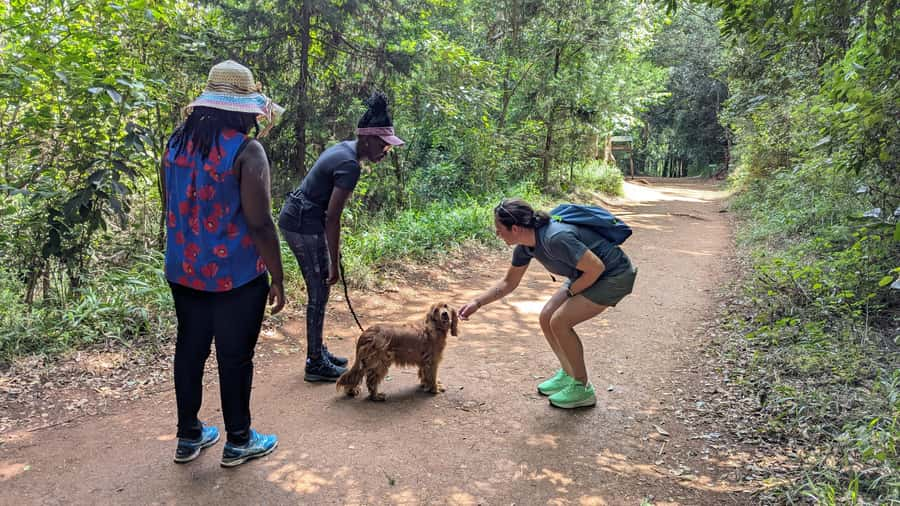
Karura Forest offers a cool break from Nairobi’s traffic. I like the woodland trails and the chance to see monkeys while learning how they behave. I also like the caves, waterfalls, Lily Lake, and small Swahili lessons woven into the walk. The main consideration is simple: three hours can mean roughly 6 or 7 kilometers on foot, so this is not a casual stroll.
Guide Allan gets strong praise for his clear explanations, calm manner, and easy conversation. He also knows the forest routes well, which matters when paths, waterways, and rapids change with the seasons. You will need comfortable shoes, and you must pay the separate $4 forest entry fee by card or M-PESA because cash is not accepted.
Key points to know before you go
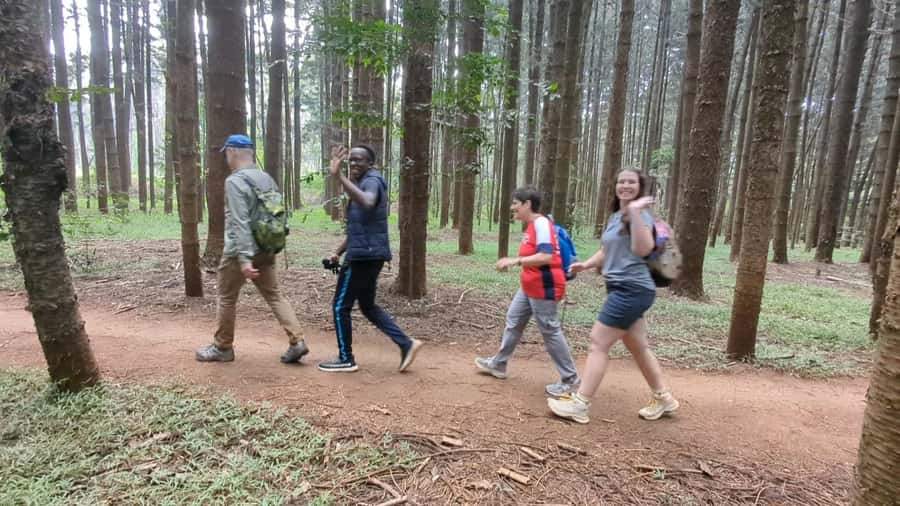
- Allan is the guide to look for: He speaks English and Swahili, explains forest history and culture clearly, and has been praised for making solo visitors feel safe and welcome.
- Expect a real walk: The route may cover about 6 or 7 kilometers, with some ups and downs even if it is not extremely steep.
- The caves add cultural depth: They are not just a photo stop. You will hear about their place in Kenyan history and their connection to local people.
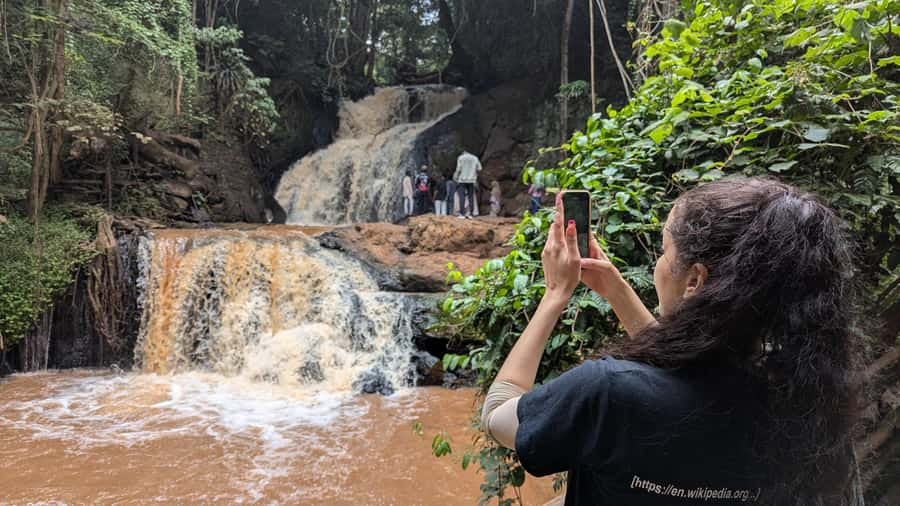
- Two waterfalls bring the best photo moments: Water levels and rapids can be more noticeable during rainy periods.
- Lily Lake is the bird stop: Bring patience and your camera, since the area is used by different bird species.
- Budget for the extra entry charge: The tour costs $40 per person, but forest admission costs another $4 and must be paid electronically.
Why Karura Forest makes a good Nairobi outing
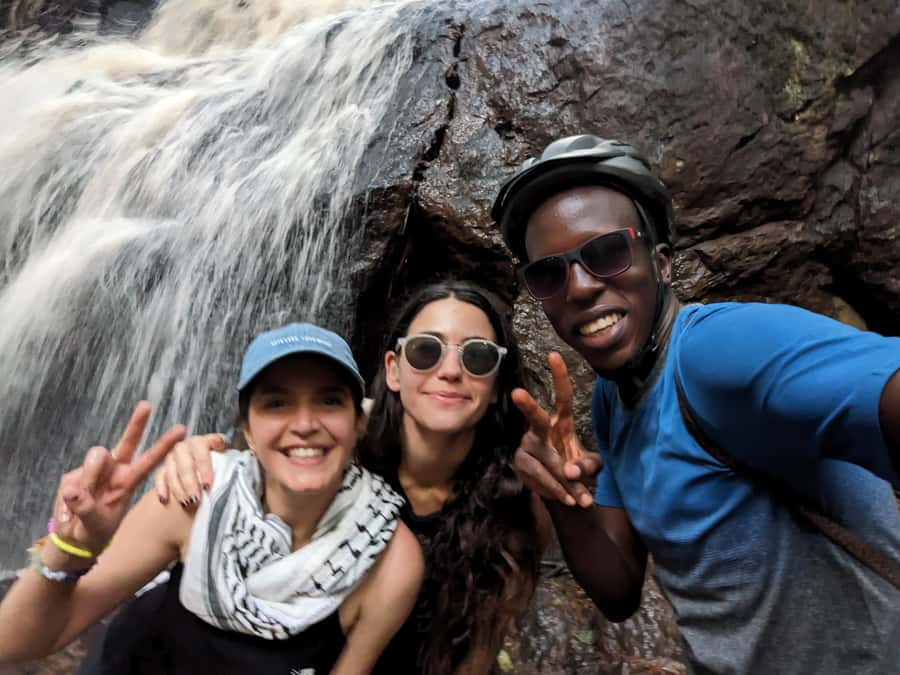
Karura Forest gives you something Nairobi does not always offer easily: quiet, shade, clean air, and room to walk without leaving the city. The forest has nature trails, woodland areas, waterways, caves, waterfalls, picnic zones, monkey territories, and a restaurant called The River Café.
I like this experience because it is not only a nature walk. The guide adds context about Kenyan history, culture, animal behavior, and simple Swahili words. That turns a pleasant walk into a more useful introduction to Kenya.
The forest also works well as a change of pace during a busy Nairobi visit. You can spend the morning or afternoon moving at a steady pace, taking photographs, and listening to birds instead of sitting in traffic or rushing between indoor sights.
Still, you should understand the physical side before booking. This is a guided walk, not a short path from the gate to a viewpoint. One participant estimated walking 6 or 7 kilometers, with regular movement through the forest. The hills are not described as severe, but comfortable shoes are essential.
More Waterfall Walks in the world:
- From Sydney: Blue Mountains Tour with Waterfall Walk & Lunch
★ 4.8 · 2,400 reviews - Krka Waterfalls tour with Trogir Walking tour and Krka panoramic boat cruise
★ 5.0 · 1,659 reviews - From Split: Krka Waterfalls Cruise & Trogir Walking Tour
★ 4.7 · 681 reviews
Meeting Allan at Gate C
The meeting point is Karura Forest Gate C on Kiambu Road, opposite Sharks Palace. The forest is easy to reach by Uber, which is useful if you are staying elsewhere in Nairobi and do not have a car.
You should confirm the starting time before setting out, since the activity lasts three hours and different start times may be available. If you need help finding the gate, Allan can be reached on WhatsApp at 254723477823.
The tour begins with a short five-minute safety briefing. This is a good moment to ask about the route, the walking pace, photography stops, and the condition of the trails. If rain has affected the waterways, you can also ask how that may change the walk.
The forest entrance fee is separate from the guide fee. Admission costs $4, paid by card or M-PESA. No cash is accepted, so sort out your payment before you arrive. The tour price is $40 per person, making the total basic cost $44 before any food, drinks, or optional bicycle rental.
The first 90 minutes: trails, trees, monkeys, and caves
After the safety briefing, the main walking section begins. You will follow woodland and nature trails, with scenic views appearing along the route. The pace includes guided explanations, photo stops, and short pauses to look at the forest rather than simply marching through it.
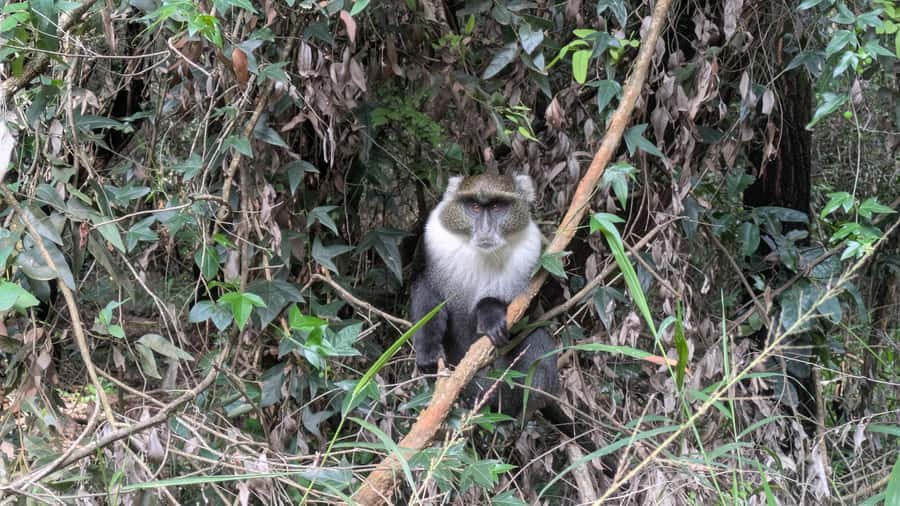
The monkey encounters are one of the more appealing parts of the walk. Allan explains monkey characteristics and behavior, helping you pay attention to what the animals are doing instead of treating them as moving photo props. You must not feed the animals, and that rule is important for their health and for safe contact between people and wildlife.
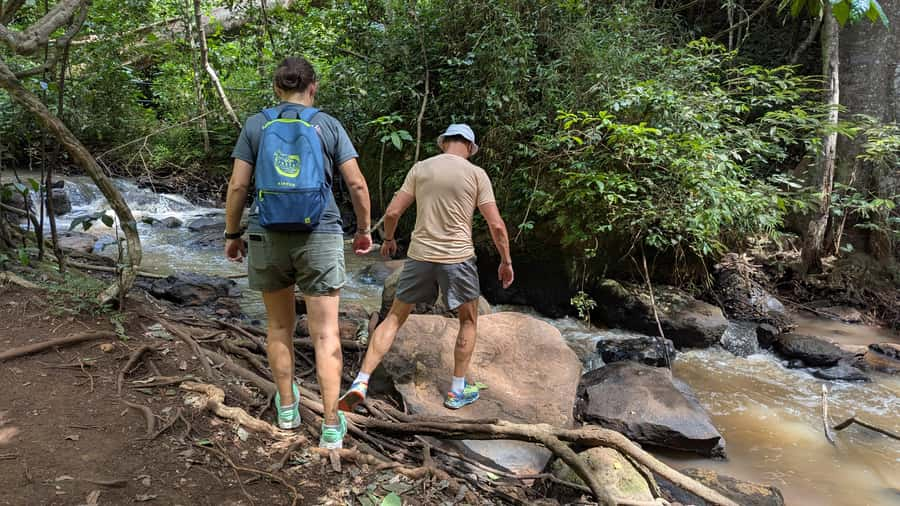
The forest walk also gives you a chance to notice plant life, tall trees, changing ground color, and water moving through the forest. One visitor specifically found the different soil colors and water flow interesting, details that are easy to miss when you walk alone.
The caves are an important part of this first stretch. Their value is not only visual. Allan explains their history and their connection to Kenyan people, giving you a better sense of why this forest matters beyond its trees and trails.
I would allow time to listen here. The cave stop is where the tour shifts from a pleasant outdoor outing to a cultural experience. If you are interested in Kenya’s past, this may be one of the most worthwhile sections of the route.
The exact order of sights can vary as the walk develops. The provided schedule allows about 90 minutes for this first guided section, so you should expect several stops rather than a single long explanation. Wear clothes that let you move comfortably and accept that your shoes may encounter uneven or damp ground.
The River Café break after the first trail section
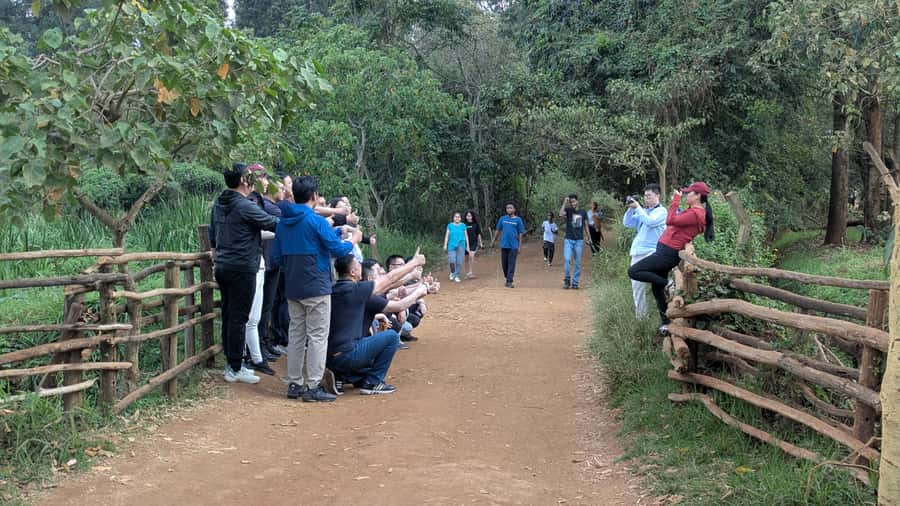
About halfway through, the tour pauses at The River Café for roughly 20 minutes. The restaurant is in the forest and is described as having good food and a pleasant setting.
This break matters because a three-hour walk feels much easier when you can stop, sit, and reset. It also gives you a chance to buy food or a drink if you need one, although the tour price includes only the local guide fee.
Do not treat this as a long meal. Twenty minutes is a short break, so keep your order practical if you plan to eat. You may prefer to use the pause for a drink, a quick snack, and a look around before heading back onto the trails.
The café also helps make the experience flexible. You can focus on walking and nature without carrying a full picnic, while still having a comfortable place to pause. If you prefer to bring water, use a reusable personal bottle. Plastic bottles are not allowed in the forest.
A few more waterfall trips around the world worth a look
- From Marrakech: Ouzoud Waterfalls Guided Hike and Boat Trip
★ 4.7 · 33,630 reviews - Marrakech: Atlas Mountains, Ourika Valley, Waterfall & Lunch
★ 4.8 · 15,834 reviews - Reykjavík: South Coast Waterfalls, Black Sand & Glacier Tour
★ 4.8 · 11,030 reviews - From Marrakech: Ouzoud Waterfalls Guided Trip with Boat Ride
★ 4.9 · 10,915 reviews
The second 70 minutes: waterfalls, Lily Lake, and bird territory
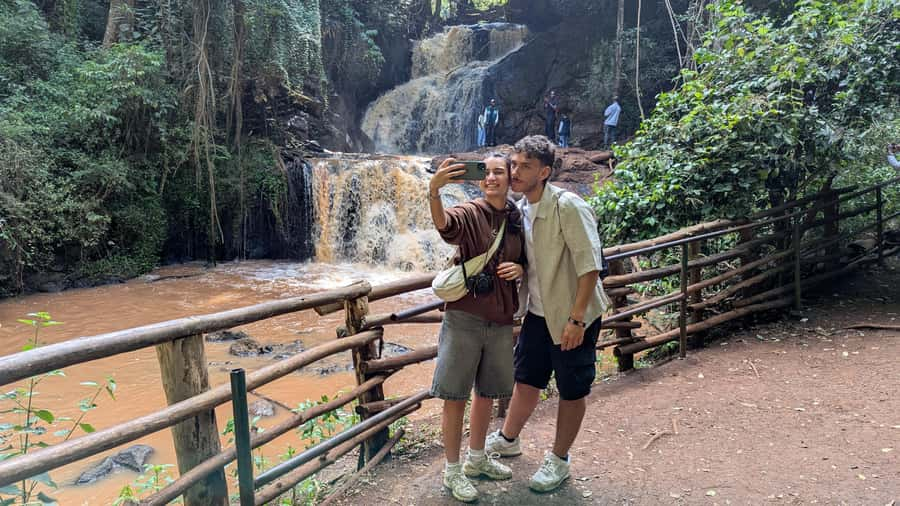
After the café, you spend about 70 more minutes in the forest. This section includes more guided walking, scenic views, and photo stops. The two waterfalls are a major reason to choose this tour, especially if you want natural photographs without arranging a full day outside Nairobi.
Water flow can change with the weather. During rainy seasons, the forest’s waterways and rapids may be more noticeable. That can make the route more atmospheric, but it may also mean wetter or less predictable trail conditions. Your shoes should have a firm sole, and you should avoid wearing anything precious or difficult to move in.
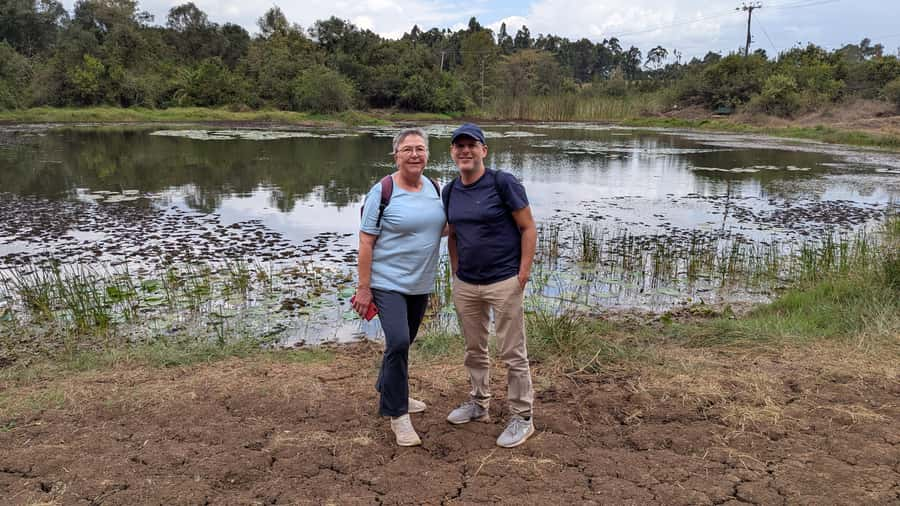
Lily Lake is another useful stop. The lake is known for bird activity, so this is the part of the tour where you will want to slow down and watch. You may see different bird species, though the available information does not promise particular birds or guarantee sightings.
Bring a phone or camera, but keep your attention on the surroundings too. The walk is designed for photographs, yet the best moments may be small: water moving over rock, a monkey moving through the trees, or a bird appearing near the lake.
The final route may also pass picnic areas, waterways, rapids, and further monkey territories. These places give the forest a changing character. One section may feel dry and quiet, while another feels cooler and more alive because of the water.
At the end of the three hours, you return to Karura Forest. There is no separate transport back from the final stop because the route finishes at the starting forest area.
How good is the $40 value?
The $40 price pays for the local guide. The forest admission fee is extra, adding $4 per person. You should also allow for any food or drinks at The River Café and the optional bicycle rental, which costs Ksh 500 at the gate.
For a solo visitor or first-time visitor to Nairobi, the price can make sense. You are paying for route guidance, explanations about the forest, help spotting animal behavior, cultural background, and a planned three-hour outing. Allan’s ability to explain the forest and keep the conversation flowing adds value that you would not get from simply entering alone.
The price is less compelling if you only want to walk a short distance or take a quick look at the waterfalls. In that case, you may not use enough of the three-hour experience to justify the guide fee. The tour suits you best if you want interpretation, company, and a proper route through several parts of the forest.
The strongest praise for Allan focuses on his explanations, storytelling, courtesy, and awareness of safety. One solo visitor also appreciated his openness and said he helped make the day fun. Those qualities matter when you are walking several kilometers with someone you have just met.
Cycling is possible, but walking is the main event
You can also cycle in Karura Forest. Rental bicycles are available at the gate for Ksh 500. However, the advertised experience is built around walking, and the main strengths of the tour are the close explanations about caves, monkeys, trees, waterfalls, and birds.
Cycling may appeal if you want to cover ground more quickly or reduce the time spent walking. It may be less suitable if you want to stop often for photographs, listen closely to the guide, or study animal behavior. Ask Allan before the tour if you want to combine cycling with the guided route.
Either way, comfortable clothing is the sensible choice. Smoking, drones, alcohol, and drugs are not allowed in the forest. The rules protect the setting and keep the outing focused on nature.
Who will enjoy this tour most?
This experience is a good match for:
- Solo visitors who want a safe, social way to explore the forest.
- Couples and friends who enjoy walking, photography, and outdoor history.
- First-time visitors to Nairobi who want a nature break without leaving the city.
- People curious about Kenyan culture, local history, monkeys, birds, and Swahili.
- Anyone who prefers a guide rather than navigating forest trails alone.
It is not suitable for pregnant women, according to the activity information. You should also think carefully about your fitness level if walking 6 or 7 kilometers sounds difficult.
Families may need to judge the route based on the stamina of each person. The activity involves a good amount of walking, and the guide’s explanations may be most useful to older children and adults. The information provided does not specify a minimum age or a private versus shared group format, so ask before booking if group size matters to you.
Practical advice for a smoother visit
Wear walking shoes with a secure grip. Sandals and thin city shoes are a poor match for a route that may include uneven ground, water, and changing trail conditions.
Bring a reusable water bottle. Plastic bottles are prohibited, but personal water bottles are allowed. Carry only what you need, since a heavy bag becomes irritating after several hours.
Charge your phone or camera before arriving. The waterfalls, caves, lake, and monkey areas create plenty of photo opportunities. At the same time, do not feed animals or use a drone.
Leave enough time to reach Gate C without rushing. The meeting point is on Kiambu Road opposite Sharks Palace, and using Uber is an option. Keep the guide’s WhatsApp number, 254723477823, available in case you need help.
The activity allows free cancellation up to 24 hours before the start for a full refund. You can also reserve now and pay later, which helps if your Nairobi schedule is still shifting.
Should you book the Karura Forest walk?
Book it if you want more than a quick forest visit. The best reasons are the combination of woodland trails, caves, two waterfalls, Lily Lake, monkeys, birds, and Allan’s explanations about history, culture, and animal behavior.
Skip it if you dislike sustained walking, want a completely self-guided outing, or prefer not to pay extra for the forest entrance and café stop. This is an active three-hour experience, not a short sightseeing transfer.
For most people who enjoy nature and want a calm half-day near Nairobi, I think the $40 guide fee offers fair value. Bring good shoes, electronic payment for the $4 entry charge, and a reusable bottle. If you do that, Karura Forest gives you a refreshing break with enough history and wildlife interest to make the walk worthwhile.
FAQ
How long does the Karura Forest walking tour last?
The tour lasts three hours, including the safety briefing, guided forest walks, café break, photo stops, and return to Karura Forest.
How much does the tour cost?
The guided experience costs $40 per person. Forest admission is separate and costs $4 per person.
How do I pay the forest entrance fee?
You must pay the $4 entry fee by card or M-PESA. Cash is not accepted.
Where is the meeting point?
Meet at Karura Forest Gate C on Kiambu Road, opposite Sharks Palace.
Which languages does the guide speak?
The tour is available in English and Swahili.
How far will I walk?
The activity involves a good amount of walking. One description of the route estimates about 6 or 7 kilometers, with some ups and downs.
Is The River Café included in the tour price?
The café stop is part of the route, but food and drinks are not included in the guide fee.
Can I ride a bicycle instead of walking?
Cycling is possible, and rental bicycles are available at the gate for Ksh 500. Confirm the arrangement with Allan before starting.
What should I bring to Karura Forest?
Bring comfortable shoes, comfortable clothes, and a personal reusable water bottle. Plastic bottles are not allowed, and you should not bring drones, alcohol, or drugs.
Just added around the world
- Authentic El Yunque Rainforest Adventure — Waterfalls & Slides★ 5.0 · 29 reviews
- El Yunque Hike Adventure to Las Tinajas Waterfall from Fajardo★ 5.0 · 52 reviews
- Cliffline & Cascade Hike.★ 5.0 · 9 reviews
- Private El Yunque Tour to Waterslide and Waterfalls★ 5.0 · 7 reviews
- Walk to the cascade and marabout of Sidi Mbark & for a tea to Kaouki★ 5.0 · 14 reviews
- Walk between Argan Forest, Ocean & Waterfalls. 12 km★ 5.0 · 26 reviews
- Waterfall Hunting- Bambarakanda & Lanka Falls + Natural Pool Bath★ 5.0 · 13 reviews
- Explore the best of Ella. Hiking, waterfalls and cultural tour★ 5.0 · 29 reviews
Waterfall Walks, compared.
Blue Mountains Tour with Waterfall Walk & Lunch
Read our review →
Krka Waterfalls tour with Trogir Walking tour and Krka panoramic boat cruise
Read our review →
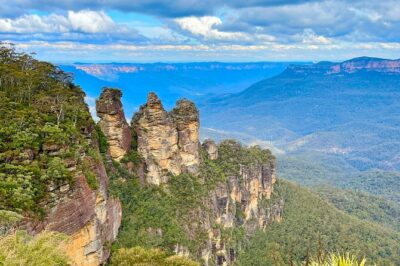
Blue Mountains Small Group Tour with Waterfall Walk & Fresh Lunch
Read our review →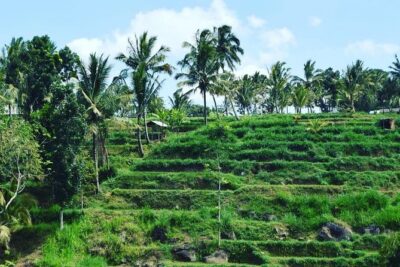
Tetebatu Walking Tour – Rice Terraces, Waterfall & Monkey Forest
Read our review →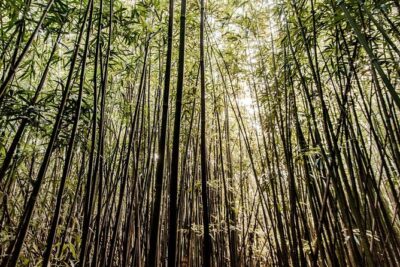
Self guided Hike Trail to Nature Walk & Waterfall
Read our review →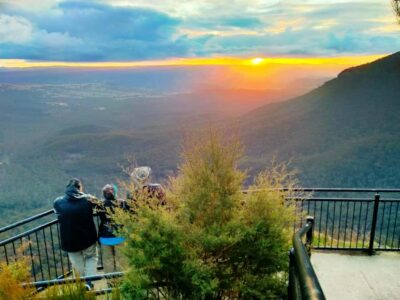
Blue Mountains Late Start, Walks Waterfalls & Koalas
Read our review →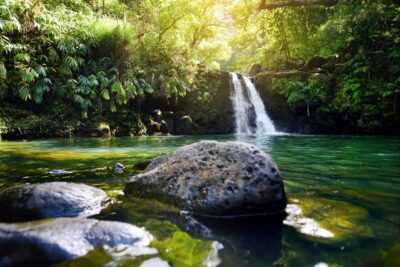
Browse the lists this tour appears in