
REVIEW · NORTH ISLAND, NEW ZEALAND
Kaituna River and Tutea Falls Whitewater Rafting
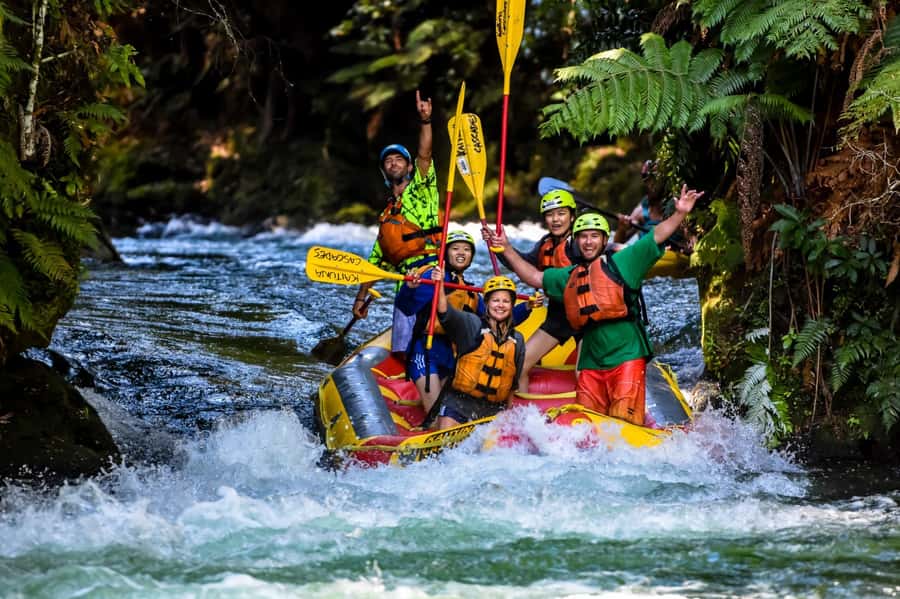
Hold on for New Zealand’s biggest rafted drop. This Kaituna River trip packs 14 rapids and a 7-meter waterfall into a short, action-filled run near Rotorua. I like the warm river water, the beautiful bush-lined canyon, and the guides who make first-time rafters feel ready. The main catch is simple: this is Grade 5 whitewater, so it is thrilling rather than gentle sightseeing.
The safety training is taken seriously, with practice paddling, swimming, and falling out before the major rapids. I also like that winter visitors get extra warm gear. You should still expect a physically active outing, cold air at times, and a real chance of ending up in the river.
The Kaituna River in five useful points
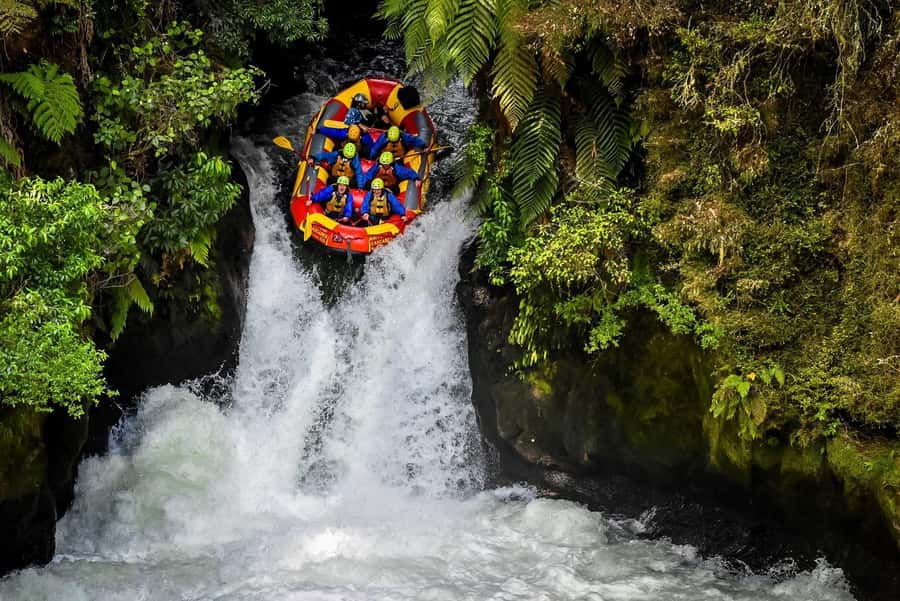
- The 7-meter Tutea Falls is the highest commercially rafted waterfall in the world.
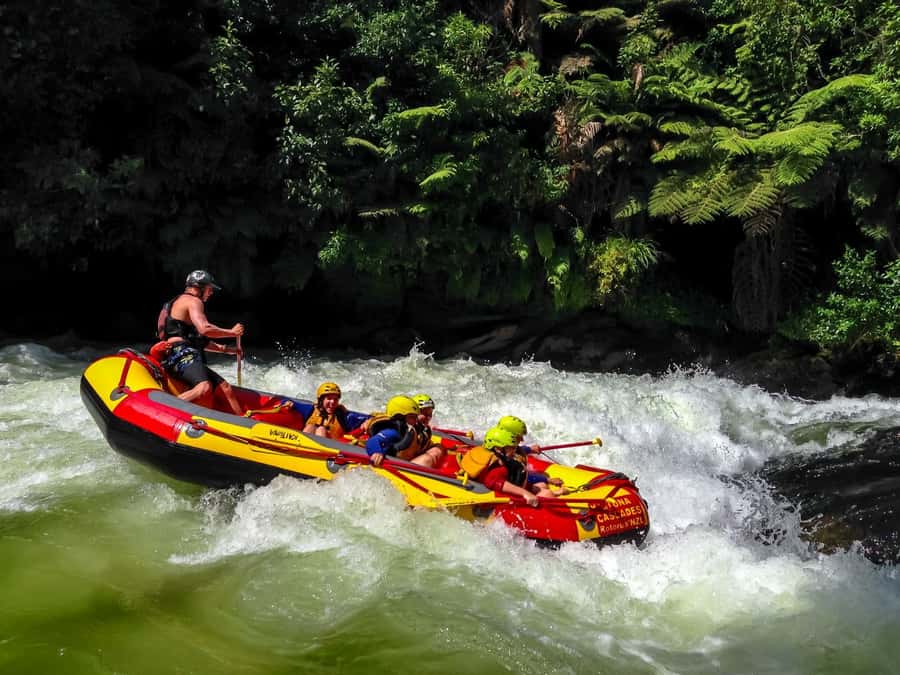
- Fourteen rapids keep the 50-minute river run busy from start to finish.
- Grade 5 water brings genuine whitewater excitement, not just a scenic float.
- No previous rafting experience is needed, and the guides train you before the main run.
- The river is warm enough for year-round rafting, with added winter clothing provided when needed.
- The base is only about 20 minutes from central Rotorua, beside Okere Falls Scenic Reserve.
Reaching the red and yellow rafting base
You meet at 18 Okere Falls Road in Okere Falls, about a 20-minute drive from central Rotorua. Look for the large red and yellow building on the right side of the road. Accommodation pickup and drop-off are not included, so you need to arrange your own ride there and back.
That short drive makes this easy to fit into a Rotorua day. You can spend the morning around town, raft in the afternoon, or use the outing as your main active event before dinner. Allow the full two hours listed for the activity, not just the time on the water.
The base sits beside Okere Falls Scenic Reserve, which gives the outing a strong sense of place before you even pick up a paddle. This is not a raft course built far from nature. The river runs through a narrow, bush-lined setting, and the scenery remains part of the experience between the rapids.
More Waterfall Rafting and Tubing in New Zealand:
- White Water Rafting – Kaituna Cascades, The Originals
★ 5.0 · 1,274 reviews - Chiang Mai: Elephant Sanctuary, Waterfall & Bamboo Rafting
★ 4.9 · 9,160 reviews - Chiang Mai Elephant Sanctuary, Bamboo Rafting and Waterfall Tour
★ 5.0 · 870 reviews
Getting suited up for the Kaituna
At the base, you receive a wetsuit, helmet, life jacket, paddle, fleece top, wetsuit booties, and splash jacket. Bring your swimwear, shorts, and a towel. In winter, the operator provides more clothing to help keep you warm.
The gear matters. You are not sitting dry inside a covered boat, and water can come over the raft repeatedly. A swimsuit under the wetsuit is the practical choice. A towel for afterward is essential, even if the day looks sunny.
You can bring a camera, and a GoPro with a chest mount is the most useful option if you have one. A limited number of chest mounts can be rented for NZ$5 on the day. Keep in mind that a camera attached to you needs to stay secure during the rough sections.
Professional photos are also available for purchase afterward. They are taken during the run, including the major drops and rapids. One visitor felt the NZ$40 photo cost was high, while others thought the pictures were worth buying. My advice is to decide before you start: if you want clear shots of the whole raft going over Tutea Falls, the photo package may be your best chance.
The safety briefing before the first rapid
The guides give you instructions on paddling, body position, and what to do if someone falls out. That preparation is one of the strongest parts of the experience. First-time rafters are not simply placed in a boat and sent toward a waterfall.
The training may include practicing techniques on calmer water, swimming briefly, and showing you how to get back to the raft. This helps take away the mystery of a fall. You learn that the water is manageable and that the safety team is watching closely.
Several trips also use a safety kayaker near the rafts. That extra person is there to help if someone leaves the boat or if a raft has trouble. It does not remove the risk, but it gives you another layer of support.
You must sign a waiver because whitewater rafting carries a real degree of risk. That is worth understanding before booking. The guides can make the activity safer, but they cannot make Grade 5 water harmless.
The guides are also a big part of the mood. Names that come up repeatedly include Malcolm, Josh, Alex, Cole, Bal, Ollie, Pete, Ethan, Elvis, and Jarrod. Their styles differ, but the pattern is clear: friendly instruction, jokes when the group needs to relax, and close attention when the river demands it.
Fourteen rapids in a 50-minute river run
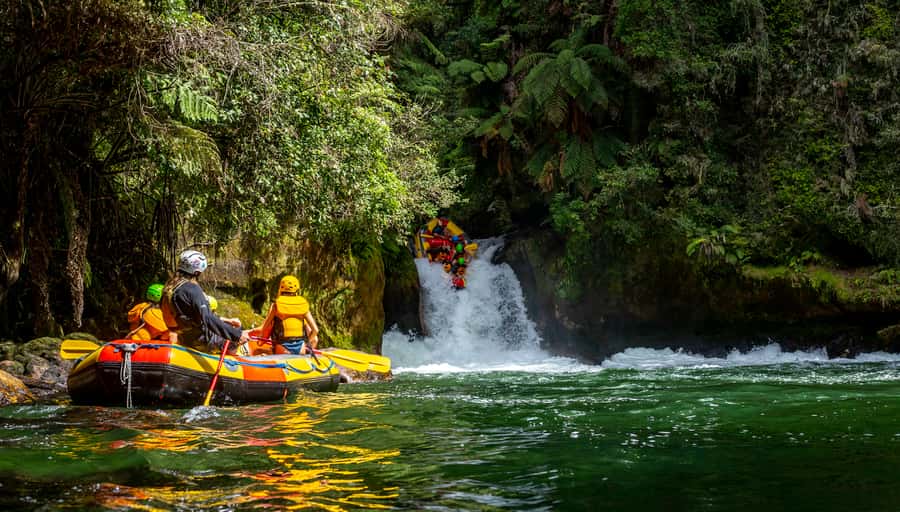
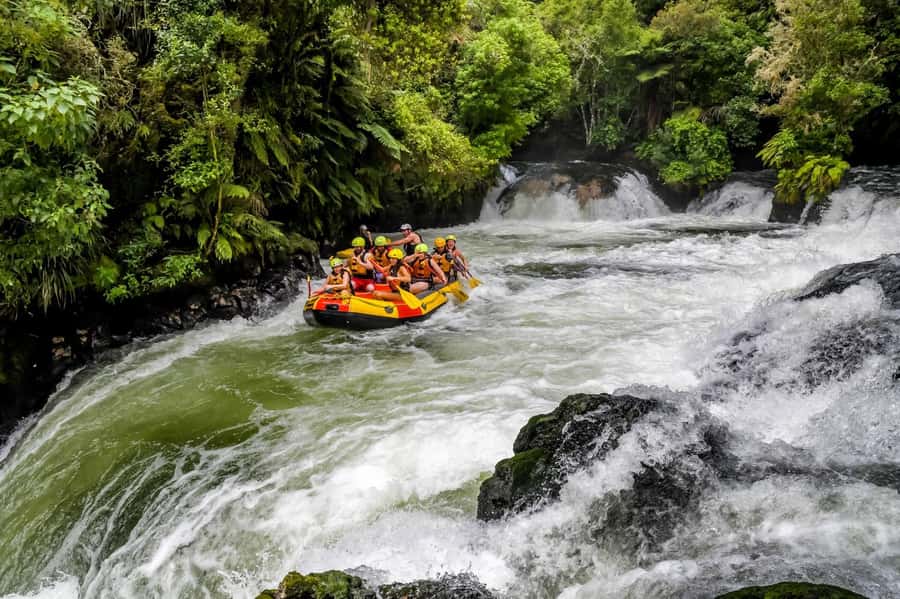
The actual river adventure lasts about 50 minutes and includes 14 rapids. That timing gives you a lot of action in a compact stretch of river. You are not spending most of the day waiting around for the next obstacle.
The early section lets you get used to the raft and your paddle. Your guide calls out instructions, and everyone works together to move through the water. This is where the practice starts to make sense. A rafting trip is not a passive ride. You need to listen and paddle when told.
The rapids build the pace toward Tutea Falls. Some are exciting without feeling overwhelming, while others demand more focus. Guides can adjust the feel of the run to suit the group, according to the comfort level described by participants. You may be encouraged to take the more forceful line, or given a gentler approach when that is more suitable.
That flexibility makes this trip work for mixed groups. One person may arrive eager to charge into everything, while another may be quietly nervous about the waterfall. You still need to accept the river’s basic demands, but the guide can help set the tone.
The scenery is easy to miss if you stare only at the next wave. Take the calmer moments to look up at the steep, green sides of the canyon and the cascades along the river. The water, rock, and native bush give the run a distinctly New Zealand setting rather than the feel of a manufactured attraction.
A few more waterfall trips around New Zealand worth a look
- Taupō: Huka Falls 30-Minute Jet Boat Experience
★ 4.8 · 759 reviews - Rotorua Ziplines – Okere Falls Experience
★ 5.0 · 442 reviews - Kaituna Cascades – Grade 5 Wairoa River near Tauranga
★ 5.0 · 437 reviews - Okere Falls: Zipline over Waterfalls Experience
★ 4.9 · 187 reviews
Facing Tutea Falls, the main test
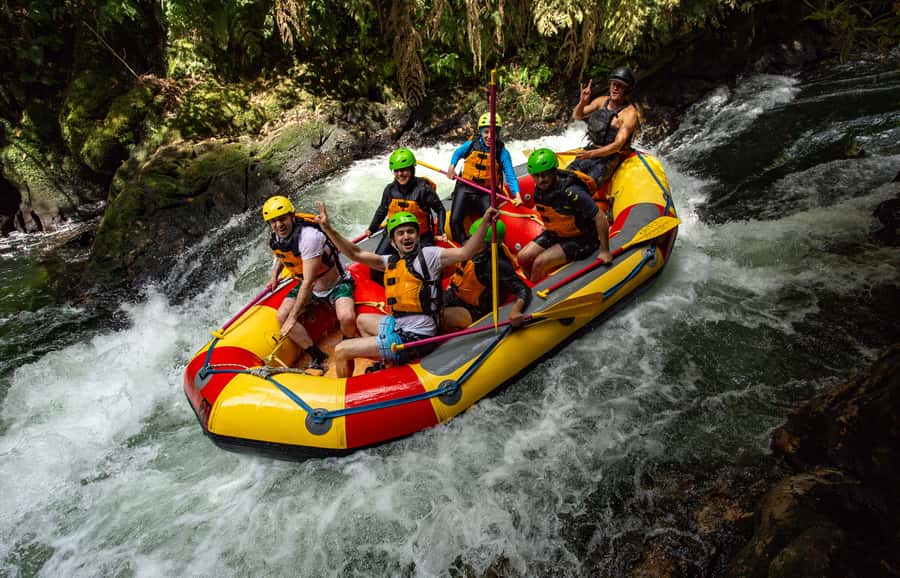
Tutea Falls is the reason most people book this outing. At 7 meters, it is the highest commercially rafted waterfall in the world. The raft tips toward the edge, drops over the falls, and lands in the churning water below.
It is normal to feel nervous before this part. The training gives you something useful to focus on: listen to the guide, hold your position, and paddle when instructed. The drop is dramatic, but the run is carefully managed by an experienced team.
Some rafts make it over upright. Others can flip or lose a person in the water. That possibility is part of the appeal for some people and a serious consideration for others. Several participants described falling out or flipping as exciting because the safety procedures had prepared them. You should not book this expecting to remain perfectly dry or seated the whole way.
There is a particular satisfaction in reaching the falls after working through the earlier rapids. You have learned the calls, found your rhythm, and become part of the raft team. Tutea then feels like a real finale rather than a single stunt presented without context.
What happens after the waterfall
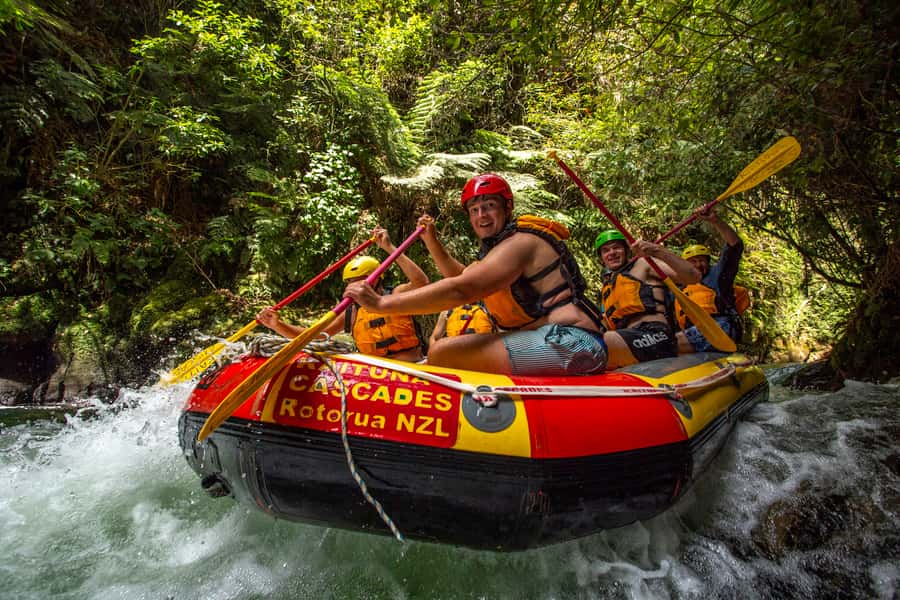
The outing does not end the instant you clear Tutea Falls. At the end of the rafting run, you can stretch your legs on a nearby walking track and watch the water tumble over the falls. This is a smart addition because it lets you see the drop from outside the raft.
From the track, you can take in the scale of the falls without a helmet, paddle, and rushing water in your face. It also gives you a chance to settle down after the adrenaline and enjoy the Okere Falls setting at a slower pace.
A nearby cafe offers food and a large selection of craft beer in Rotorua. That can be a pleasant finish, but food and drinks are not included in the $80 price. Bring money if you plan to stop there or buy photos.
Is $80 good value?
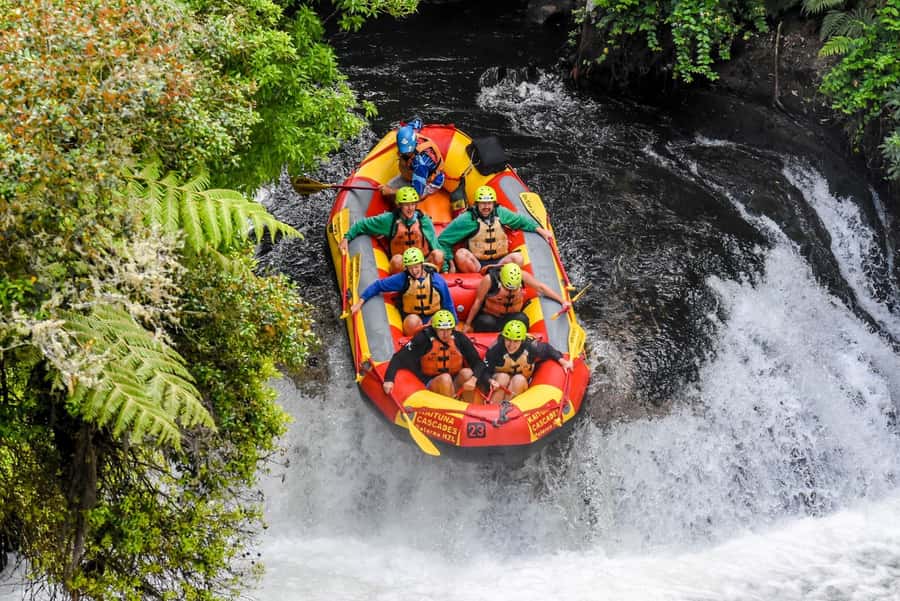
At $80 per person, this is a strong value for a two-hour activity that includes a full set of river gear, local guides, instruction, and a 50-minute run with 14 rapids. The key value is the concentration of action. You are paying for a proper whitewater experience, not a short paddle followed by a long wait.
The price feels especially fair if you want one major adventure near Rotorua without committing to a full-day expedition. The short drive from town helps keep the total time and transport cost under control.
Extra costs are easy to overlook. You pay separately for transport to the base, food or drinks at the cafe, and professional photos. A chest mount costs NZ$5 to rent if available. The trip itself is reasonably priced, but the final bill can rise if you add every extra.
Who should book this rafting trip?
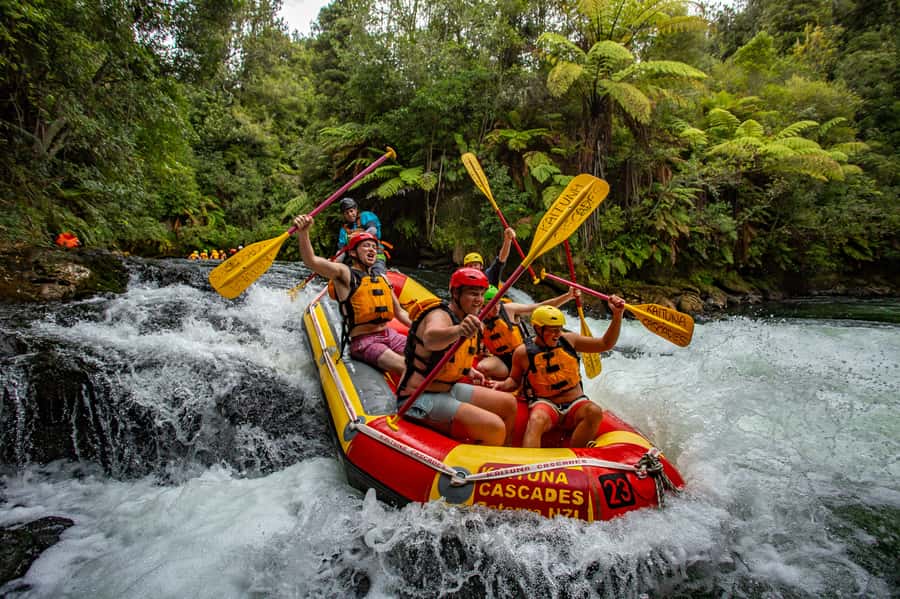
I would choose this for anyone who wants a serious thrill but has never rafted before. The instruction is clear, the guides are encouraging, and the run gives you a proper introduction to strong whitewater without requiring previous experience.
It also suits families with older teenagers and active adults. The minimum age is 13, so younger children cannot take part. The supplied information does not promise an easy or mild version, so you should be comfortable with getting wet, paddling, and responding quickly to instructions.
This is a good choice for people who want a shared group experience. Everyone in the raft needs to cooperate, which can make the outing especially memorable for couples, families, and friends. The guides also bring plenty of humor, helping nervous beginners settle in.
You should skip it if you are pregnant, have heart problems, weigh more than 260 pounds or 118 kilograms, or simply dislike the idea of falling into fast-moving water. The Grade 5 label is not decorative. Even with good safety systems, this is an adventure activity with genuine physical and emotional intensity.
How to prepare for a better day
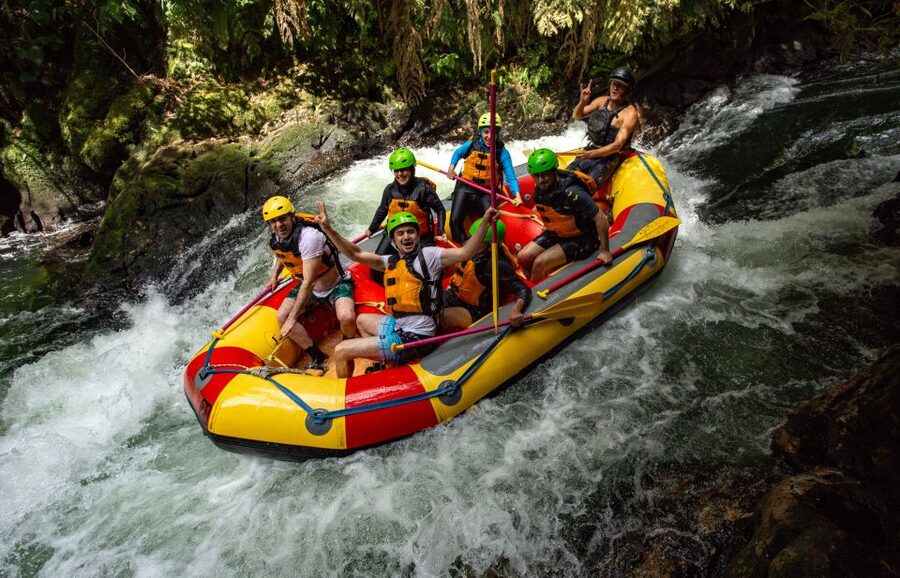
Book a time that leaves room around the activity. The listed duration is two hours, and the rafting itself takes about 50 minutes. You will need time for changing, training, the river run, and the finish near the walking track.
Wear swimwear and bring a towel. Leave valuable items behind or follow the base staff’s instructions for storage. If you bring a GoPro, use a secure chest mount rather than trying to hold a camera in your hand.
Read the safety instructions carefully and tell the guide if you are nervous. That is useful information, not an embarrassment. Guides such as Malcolm, Josh, Cole, and Alex received repeated praise for making people feel safe while still keeping the trip exciting.
Plan for the possibility of a flip. You may stay in the raft, but you should listen closely to the instructions about what to do if you do not. Being mentally ready makes the waterfall less frightening and lets you enjoy the run more fully.
The activity runs all year. Winter does not cancel the fun, but you should expect colder air when changing and extra layers on the river. The operator provides more warm gear in the colder months, and several winter participants still found the experience worthwhile.
Final verdict: should you book it?
Book this if you want Rotorua’s most concentrated burst of whitewater action. The 7-meter Tutea Falls, 14 rapids, warm gear, and strong guide support make it suitable for first-timers who want a real adventure rather than a gentle float.
I would not choose it for a quiet nature outing or a dry afternoon. The river can throw you around, the waterfall may flip the raft, and the $80 price does not include transport or photos. But if you accept those limits, this is an exciting, well-supported way to see the Kaituna River and test your nerve.
FAQ
How much does the Kaituna River rafting trip cost?
The activity costs $80 per person. Professional photos, accommodation pickup and drop-off, food, drinks, and optional chest mount rental are not included.
How long does the rafting experience last?
The full activity lasts about two hours. The actual rafting run takes approximately 50 minutes and includes 14 rapids.
Where does the rafting trip meet?
Meet at 18 Okere Falls Road in Okere Falls, Rotorua. The base is about a 20-minute drive from central Rotorua, and you should look for the large red and yellow building on the right side of the road.
Do I need previous rafting experience?
No. Previous experience is not required. The guides provide training and safety instructions before you enter the main rapids.
How high is Tutea Falls?
Tutea Falls is 7 meters high. It is described as the highest commercially rafted waterfall in the world.
What should I bring?
Bring swimwear, shorts, a towel, and a camera if you want one. A GoPro with a chest mount can be used, and a limited number of chest mounts may be rented for NZ$5 on the day.
What equipment is provided?
The operator provides wetsuits, helmets, life jackets, paddles, fleece tops, wetsuit booties, and splash jackets. Additional warm gear is provided during winter.
Can I go rafting in winter?
Yes. This is a year-round activity. More gear is provided during winter to help keep participants warm.
What is the minimum age?
You must be at least 13 years old to take part. Children under 13 cannot join the rafting trip.
Who should not take part?
The activity is not suitable for pregnant women, people with heart problems, or anyone weighing more than 260 pounds or 118 kilograms. All participants must also complete a waiver because the activity involves a degree of risk.
Just added around New Zealand
- Explore BLACK SAND PIHA BEACH, and Water Falls in West Auckland★ 4.5 · 16 reviews
- Redwood Forest , Blue Springs & Huka Falls Day Tour from Auckland★ 4.5 · 19 reviews
- Private Auckland West Coast Tour Piha Beach and Karekare Falls★ 5.0 · 17 reviews
- Rotorua & Taupo DayTour with Waiotapu & Huka Falls from Auckland★ 4.5 · 15 reviews
- Auckland: Rotorua, Taupo, Waiotapu & Huka Falls Private Trip★ 5.0 · 33 reviews
- Taupo: Huka Falls Helicopter Ride★ 5.0 · 9 reviews
- Rotorua & Taupo DayTour Waiotapu & Huka Falls from Auckland★ 5.0 · 20 reviews
- Okere Falls: Zipline over Waterfalls Experience★ 4.9 · 187 reviews
Waterfall Rafting & Tubing, compared.
Elephant Sanctuary, Waterfall & Bamboo Rafting
Read our review →
White Water Rafting – Kaituna Cascades, The Originals
Read our review →
Chiang Mai Elephant Sanctuary, Bamboo Rafting and Waterfall Tour
Read our review →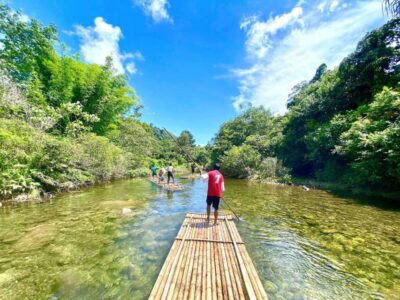
Khaolak: Bamboo Rafting, Waterfalls, and Turtle Conservation
Read our review →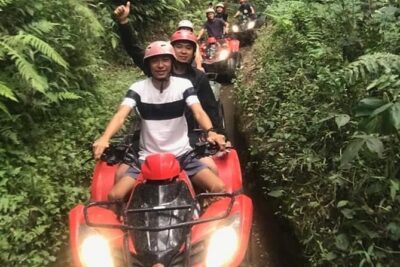
Bali ATV Quad Bike Through Tunnel, Waterfall, White Water Rafting
Read our review →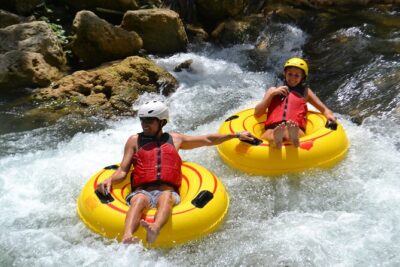
River Rapids Waterfalls Tubing and Beach Adventure with Transport
Read our review →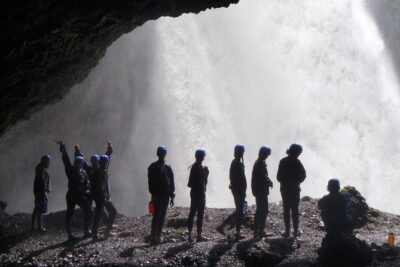
Clearwater, BC, Rafting, Finish in Canadas waterfall capital!
Read our review →8 hour Sticky waterfall, ATV and White water rafting Adventures
Read our review →Browse the lists this tour appears in